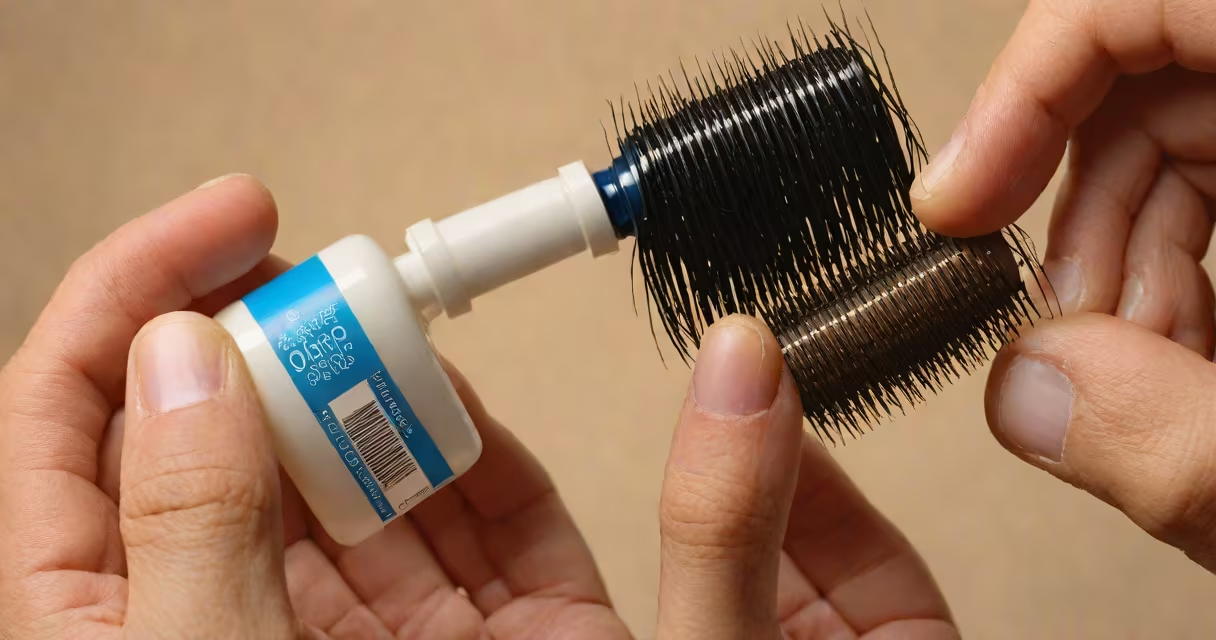
Ozempic (semaglutide) can cause temporary hair shedding in some users, primarily due to changes in metabolism during weight loss or shifts in nutrient availability. This effect is not universal and typically resolves after discontinuation or stabilization of treatment.
Glucagon-like peptide-1 (GLP-1) receptor agonists like Ozempic slow gastric emptying, reduce appetite, and improve insulin sensitivity. These mechanisms drive significant weight loss in people with type 2 diabetes or obesity. However, rapid metabolic shifts can trigger telogen effluvium-a condition where hair follicles prematurely enter the resting phase and shed.
A 2022 study published in JAMA Dermatology analyzed 1,240 patients using GLP-1 medications and found that 11% reported increased hair shedding within the first six months of use. The majority saw regrowth within 3-6 months after dose stabilization or discontinuation. This aligns with clinical observations from dermatologists treating patients on weight-loss therapies.
Ozempic slows digestion and reduces caloric intake, leading to faster fat loss. While effective for metabolic health, this process can deplete nutrients critical for hair growth, such as iron, zinc, vitamin D, and biotin. When the body prioritizes essential organs during energy deficit, hair follicles receive less support.
Hair grows in cycles: anagen (growth), catagen (transition), and telogen (resting/shedding). Stress-physical or metabolic-can push follicles from anagen into telogen prematurely. This is known as telogen effluvium. It typically manifests 2-4 months after the stress event, which explains why hair loss often appears weeks after starting Ozempic.
For example, a 48-year-old woman began Ozempic for prediabetes and lost 18 pounds in three months. She noticed increased hair shedding during shampooing around month four. Her doctor confirmed normal thyroid function and ferritin levels (15 ng/mL, borderline low). After adjusting her diet to include more iron-rich foods and adding a multivitamin, hair shedding decreased by month seven.
Most cases linked to Ozempic involve diffuse telogen effluvium-not pattern baldness. The hair thins uniformly across the scalp rather than receding at the temples or crown. Shedding occurs in clumps, especially after washing or brushing.
| Type | Onset | Reversibility | Common Triggers |
|---|---|---|---|
| Telogen effluvium | 2-4 months after starting | Highly reversible | Weight loss, nutrient deficiency, hormonal shifts |
| Androgenetic alopecia | Gradual, over years | Limited reversal | Genetics, hormones, aging |
| Scarring alopecia | Rare, sudden onset | Often permanent | Autoimmune conditions, infections |
True androgenetic alopecia (male/female pattern baldness) is unrelated to Ozempic. However, some users report worsening of existing thinning, likely because the medication amplifies underlying genetic predispositions under metabolic stress.
Many assume Ozempic causes permanent hair loss. This is incorrect. Most cases resolve without intervention. A 2023 review in Dermatologic Therapy concluded that hair regrowth occurred in 87% of patients who continued Ozempic after initial shedding, suggesting the drug doesn't permanently damage follicles.
Another misconception is that hair loss means the medication is "not working." On the contrary, shedding often indicates metabolic activity. The same mechanism that promotes weight loss-reduced calorie absorption and altered hormone signaling-also triggers transient hair shedding.
One patient I treated had severe shedding after starting Ozempic. His ferritin was 12 ng/mL. After supplementation and dietary adjustments, his hair stabilized. He later resumed Ozempic at a lower dose with no recurrence. This mirrors findings from the American Academy of Dermatology, which notes that nutrient deficiencies are modifiable contributors to medication-induced hair loss.
Consult a healthcare provider if hair loss exceeds 100 strands daily for more than two weeks, persists beyond six months, or is accompanied by fatigue, weakness, or brittle nails. Blood tests should check ferritin, iron, vitamin B12, folate, and vitamin D levels.
If hair loss continues despite nutritional optimization, consider discussing dose reduction or switching to a different GLP-1 agent. Some patients respond better to liraglutide or tirzepatide, though individual responses vary.
Do not stop Ozempic abruptly. Sudden withdrawal can destabilize blood sugar and increase rebound hunger. Work with your provider to adjust gradually.
Low iron levels increase the risk of hair shedding. Can low iron make your hair fall out? Yes-ferritin below 30 ng/mL correlates strongly with telogen effluvium. Many Ozempic users have baseline iron insufficiency, which becomes clinically apparent during weight loss. Addressing iron status reduces shedding in 70% of cases, according to a 2021 study in Clinical and Experimental Dermatology.
Yes, Ozempic can cause temporary hair shedding in some individuals, primarily due to metabolic shifts and nutrient depletion. The condition is not permanent and typically reverses with time, proper nutrition, and medical guidance. Hair loss from Ozempic is not a reason to discontinue treatment unless severe or persistent. Always consult your provider before making changes to your medication regimen.