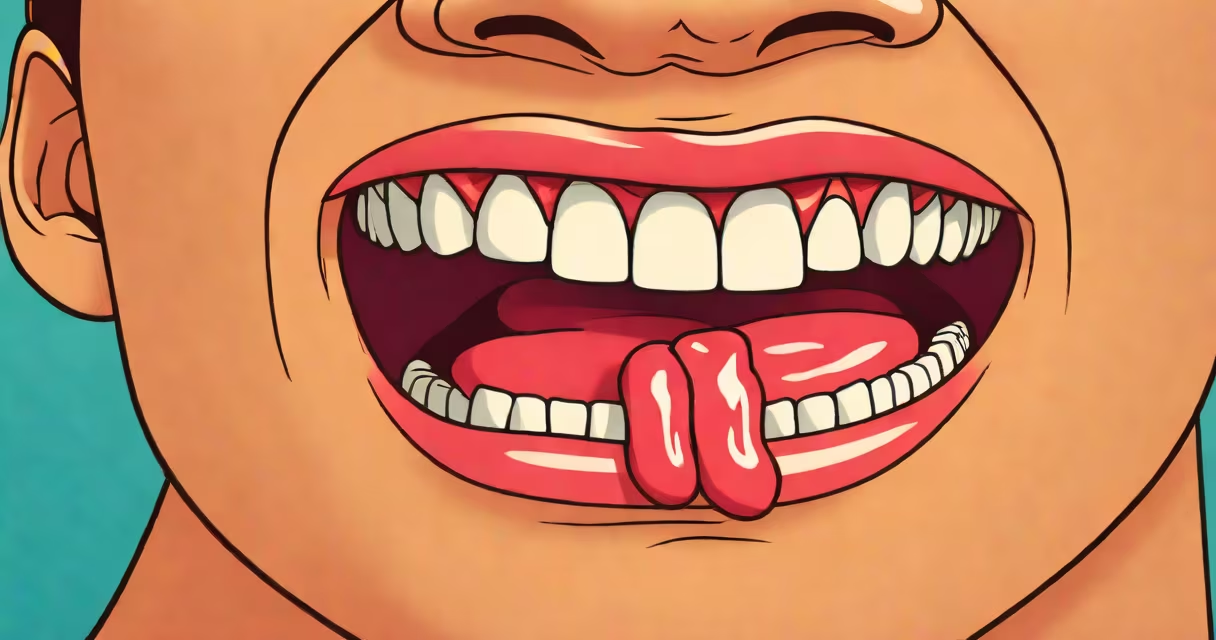
A severe back toothache typically results from inflammation or damage to the tooth's pulp-the inner core containing nerves and blood vessels. This pain intensifies when pressure builds inside the tooth due to decay, trauma, or infection, especially when chewing or exposed to hot/cold stimuli.
The pulp lies beneath layers of enamel and dentin. When bacteria penetrate these barriers through a cavity or crack, they reach the pulp and trigger swelling. The confined space within the tooth cannot accommodate this expansion, leading to sharp, pulsing pain. Without treatment, the condition may progress to an abscess or irreversible nerve damage.
According to the American Dental Association (ADA), untreated tooth decay affects nearly 90% of adults by age 40. Back teeth-molars and premolars-are particularly vulnerable due to their complex grooves and frequent use in grinding food. A single cavity in a molar can cause pain that radiates to the jaw, ear, or temple, mimicking sinus or headache issues.
Pain begins when the pulp becomes inflamed-a condition called pulpitis. Early pulpitis may cause brief, sharp pain when eating cold foods or drinking hot liquids. As inflammation worsens, the pain persists even without triggers. Once the nerve dies, the pain may subside temporarily-but infection spreads silently into surrounding bone and tissue.
When an abscess forms, pus accumulates at the root tip. Pressure from the fluid buildup causes throbbing pain that worsens when lying down. Swelling may appear on the gums, and the affected tooth may feel loose. A 2021 study published in the Journal of Endodontics found that 68% of patients with symptomatic apical periodontitis reported pain lasting more than 48 hours before seeking care-often delaying treatment until symptoms become debilitating.
Common triggers include biting down on hard objects, consuming sugary or acidic foods, or brushing too aggressively near the gumline. These actions expose dentin tubules, allowing stimuli to reach nerve endings. The result is sudden, shooting pain that lasts seconds but repeats with each contact.
Different conditions produce distinct patterns of pain. Recognizing the type helps identify the underlying issue:
| Pain Type | Trigger | Underlying Cause | Typical Duration |
|---|---|---|---|
| Sharp, sudden | Cold drinks, sweet foods | Dentin hypersensitivity or early decay | Seconds to minutes |
| Pulsing, constant | Lying down, chewing | Inflamed or infected pulp | Hours, worsening at night |
| Dull ache, radiating | Chewing, jaw movement | Cracked tooth syndrome or TMJ strain | Continuous, may spread to ear/neck |
One key distinction many overlook: a dead tooth doesn't always stop hurting. While a necrotic (dead) pulp loses sensation, surrounding tissues remain sensitive. Infection can spread beyond the root, causing pain that feels like it's coming from the tooth even though the nerve is no longer functional. This is why some patients report intense pain despite no initial tooth sensitivity.
Many assume back tooth pain stems solely from cavities. But cracks, bruxism (teeth grinding), and gum recession are equally common culprits. A 2019 survey by the National Institute of Dental and Craniofacial Research found that 34% of adults experiencing tooth pain attributed it to "just a cavity," when imaging revealed cracked molars or advanced periodontal disease.
Another error is ignoring pain that comes and goes. Intermittent pain may indicate reversible pulpitis-where the nerve is irritated but still viable. Delaying treatment increases the risk of permanent damage. Once the pulp dies, root canal therapy becomes necessary rather than a simple filling.
I once treated a patient who ignored a dull ache in her lower molar for six weeks. She assumed it was stress-related. By the time she visited, the tooth had developed a large abscess. Radiographs showed bone loss around the root. After drainage and root canal treatment, she required antibiotics and a follow-up extraction due to irreversible damage. The lesson: persistent pain isn't just a sign of decay-it's a warning of systemic infection.
Back tooth pain qualifies as a dental emergency if it meets any of these criteria:
These signs indicate spreading infection. Left untreated, bacteria can enter the bloodstream, leading to sepsis-a life-threatening condition. The ADA recommends seeing a dentist within 24 hours if any of these occur.
For temporary relief, rinse with warm salt water (1 tsp salt in 8 oz water), apply a cold compress to the cheek, and take over-the-counter ibuprofen. Avoid aspirin directly on the gum-it can burn tissue. Do not delay care based on home remedies.
If you suspect a cracked tooth or have recently experienced facial trauma, avoid chewing on that side. A cracked molar can fracture further under pressure, making repair impossible. In such cases, wearing a night guard or avoiding hard foods may prevent worsening damage.
Understanding your symptoms helps determine a serious infection. For example, if pain occurs only when biting down and stops immediately afterward, it may be a cracked tooth. If the pain lingers for minutes after eating, it likely involves the nerve.
While some people believe a dead tooth won't hurt, research shows otherwise. A 2020 study in Clinical Oral Investigations confirmed that 41% of patients with necrotic pulp reported moderate to severe pain during daily activities. The pain arises from inflammation in surrounding tissues-not the tooth itself.
Recognizing the difference between temporary sensitivity and chronic nerve involvement is critical. If your back tooth hurts so badly that it disrupts sleep, affects concentration, or limits eating, it's not normal. Seek care promptly. Early intervention preserves the tooth, reduces treatment complexity, and prevents complications.
Severe back tooth pain isn't just a nuisance-it's a symptom of a process that can escalate quickly. Addressing it early prevents irreversible damage and avoids costly procedures. Don't wait until the pain becomes unbearable.