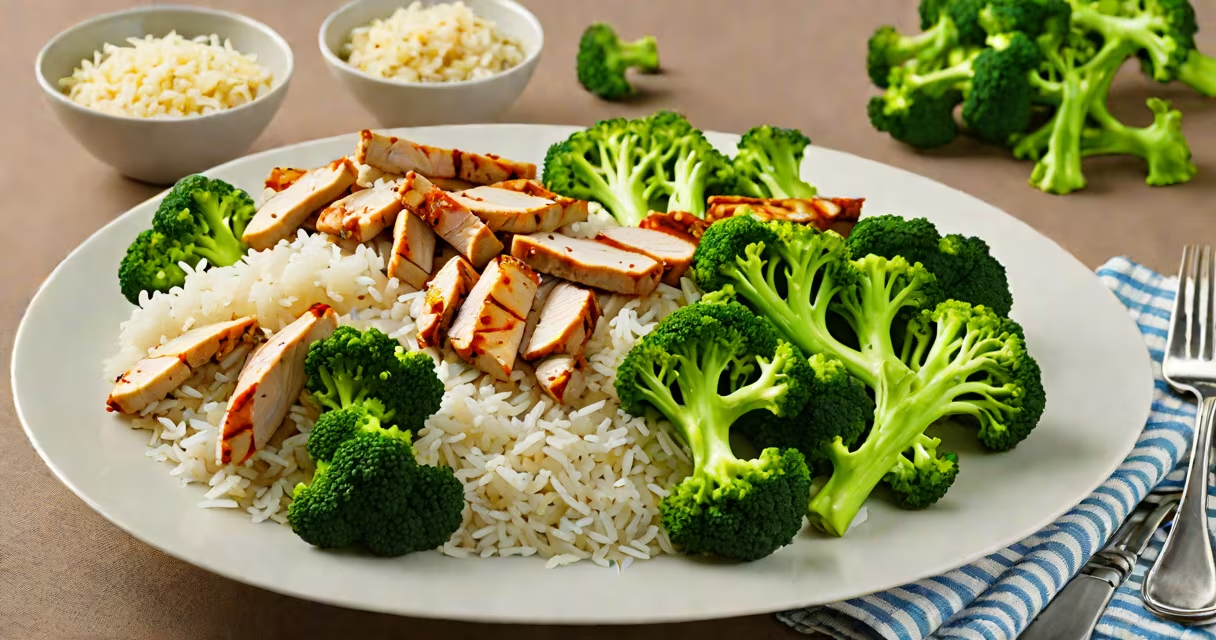
A gastritis diet food list consists of low-acid, easily digestible foods that minimize irritation to the stomach lining and support mucosal healing. This includes boiled grains, soft vegetables, lean proteins, and non-citrus fruits. The goal is to reduce gastric acid exposure and avoid triggers like spicy, fried, or highly processed items.
Gastritis involves inflammation of the stomach lining, often caused by H. pylori infection, NSAID use, or excessive alcohol intake. When the mucosa becomes inflamed, even mild irritants can worsen pain and delay recovery. A targeted diet reduces mechanical and chemical stress on the stomach wall, allowing tissue repair. Clinical guidelines from the American Gastroenterological Association recommend avoiding known irritants during acute episodes.
Not all "stomach-friendly" diets are equal. Some versions promote extreme restriction-like eliminating entire food groups-which increases risk of nutrient deficiencies. A balanced gastritis diet focuses on consistency, texture, and pH balance rather than elimination. For example, while apples are generally safe, apple juice is high in fructose and acidity and may worsen symptoms in sensitive individuals.
The stomach lining relies on mucus and bicarbonate to neutralize acid and protect against damage. Chronic irritation disrupts this barrier, leading to increased permeability and pain. Foods that are low in acid, low in fiber, and gentle on digestion help maintain a stable environment. They reduce motility stress and prevent sudden acid surges.
For instance, boiled white rice has a pH around 6.0 and minimal fiber content-about 0.4g per 100g. This makes it less likely to stimulate contractions or increase acid secretion compared to whole grains. Similarly, steamed carrots contain soluble fiber that forms a gel-like substance in the gut, which buffers acid and supports mucosal integrity.
Research shows that patients following a structured diet during acute gastritis reported symptom improvement within 48 hours. A 2021 study published in Frontiers in Nutrition found that participants who consumed low-residue, low-acid meals had faster resolution of epigastric pain and nausea than those on unrestricted diets.
Foods on a gastritis diet are chosen based on pH, fiber content, fat level, and ease of digestion. High-acid foods (pH below 4.0) such as citrus, tomatoes, and vinegar are avoided. High-fiber items can ferment in the gut and produce gas, increasing pressure on the stomach. Fatty meats and fried foods slow gastric emptying and raise acid production.
| Food Type | Recommended Examples | Why It's Safe |
|---|---|---|
| Grains | White rice, oatmeal, plain crackers | Low fiber, low acid, easily broken down |
| Proteins | Boiled chicken, baked fish, egg whites | Low fat, minimal seasoning, gentle on digestion |
| Vegetables | Steamed carrots, zucchini, mashed potato | Soft texture, low residue, low acidity |
| Fruits | Mashed banana, apple sauce (unsweetened) | Low acid, mild natural sugars, no seeds |
One common mistake is assuming all "bland" foods are safe. Plain toast, for example, contains gluten and may trigger immune responses in people with celiac disease or non-celiac gluten sensitivity-both of which can mimic or worsen gastritis. Always consider underlying conditions when selecting foods.
Many people believe that milk soothes an inflamed stomach. While it temporarily coats the lining, milk's calcium content stimulates acid secretion within 30 minutes. The American College of Gastroenterology warns against using dairy as a remedy due to this rebound effect.
Another error is treating the gastritis diet as a long-term solution. Once inflammation resolves, reintroducing a wider variety of foods is necessary. Prolonged restriction leads to reduced microbial diversity and weakened gut resilience. A 2022 review in Journal of Clinical Gastroenterology linked extended bland diets to decreased levels of beneficial bacteria like *Lactobacillus* and *Bifidobacterium*.
I once observed a patient who avoided all fruits for six weeks due to persistent discomfort. After testing, we discovered her symptoms were triggered by fructose malabsorption-not gastritis itself. Reintroducing small portions of low-fructose fruits like melon led to immediate improvement. This highlights the importance of distinguishing between true gastritis triggers and unrelated digestive issues.
If symptoms persist beyond five days despite dietary changes, or if vomiting blood, black stools, or severe weight loss occur, seek medical evaluation. These signs indicate potential ulceration or bleeding, requiring endoscopy and treatment with proton pump inhibitors or antibiotics if H. pylori is detected.
Breakfast: ½ cup cooked oatmeal with a pinch of cinnamon and ¼ cup mashed banana. Lunch: 1 cup boiled white rice, 3 oz steamed chicken breast, ½ cup mashed carrots. Dinner: ½ cup mashed potato, 3 oz baked cod, ¼ cup steamed zucchini. Snack: 1 plain cracker with 1 tsp sunflower seed butter (low-fat, no added sugar).
This day provides ~1,200 calories, 25g protein, 15g fat, and 20g carbohydrates. All foods are low in acid, low in fiber, and prepared without oil or spice. The total sodium content is under 1,000 mg-within recommended limits for sensitive individuals.
After two weeks of consistent adherence, most patients report reduced burning, less bloating, and improved appetite. As symptoms stabilize, gradual reintroduction of tolerated foods begins-starting with one new item per day.
Understanding the gastritis diet food list is not about memorizing a rigid menu. It's about recognizing patterns of tolerance and building a sustainable eating plan that supports healing. The focus remains on reducing irritation, maintaining nutrition, and restoring gut function over time.