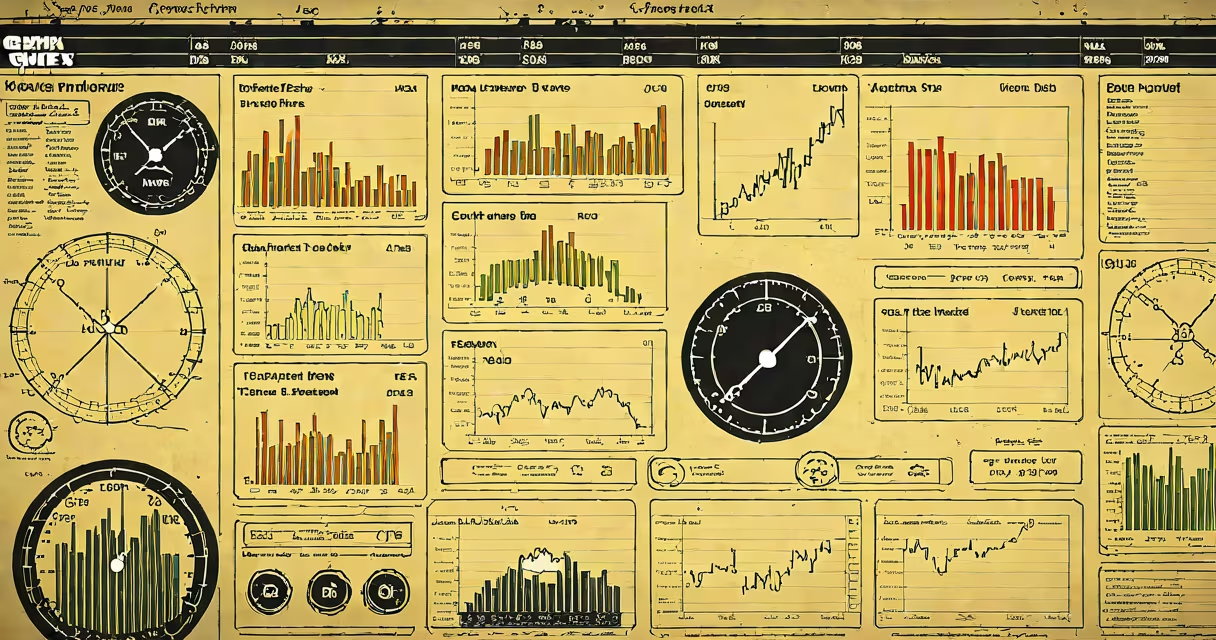
In GTA V, players can simulate real-world stock trading through the in-game Stock Market system, accessible via the phone's "Stocks" app. This feature allows users to buy and sell shares in fictional companies like Ammunation, Los Santos Customs, and Dodo Airlines, with prices fluctuating based on in-game events and player activity.
The stock market operates on a real-time simulation model. Prices change dynamically during missions, news events, and even random system triggers. For example, completing the "The Big Score" mission increases demand for Ammunation stock due to heightened interest in weapons. These shifts mimic actual market behavior, though they're driven by game logic rather than external economic factors.
Players can access the market from the phone's "Stocks" tab. The interface displays current prices, daily changes, and a chart showing price history. Selecting a company reveals its ticker symbol, current share price, and recent performance. Buying shares requires selecting a quantity and confirming the transaction. Selling follows the same process, with proceeds deposited directly into the player's in-game bank account.
Each stock in GTA V has a unique ticker symbol and responds to in-game conditions. For instance, Dodo Airlines' stock rises when the player completes the "Dancing with the Stars" side mission, which boosts tourism in Los Santos. Conversely, Los Santos Customs sees spikes after the "Pilot" mission, where the player gains access to private aircraft and luxury vehicles.
Market volatility is influenced by narrative events. When the "Vigilante" mission chain begins, stock prices for security firms like Armacham Technologies rise due to increased public concern about crime. These changes aren't predictable from the start-they emerge from scripted triggers tied to mission progression.
Trading isn't limited to single transactions. Players can set stop-loss orders and take-profit targets through the Stocks app, though these features require reaching a certain level in the game's finance skill tree. Without unlocking advanced tools, players rely on manual timing and pattern recognition.
There are 16 distinct stocks available in GTA V's market. They fall into five categories based on their underlying themes and response patterns:
| Category | Examples | Price Drivers | Volatility Level |
|---|---|---|---|
| Weapons & Defense | AMMO (Ammunation), ARMH (Armacham) | Mission completions involving violence or law enforcement | High |
| Transportation | DODO (Dodo Airlines), LSC (Los Santos Customs) | Player travel frequency, mission-related vehicle use | Medium |
| Entertainment | STK (Stunt Co.), MARS (Mars Hotel) | Events at nightclubs, celebrity sightings | Low to medium |
| Technology | NEON (Neon Inc.), GROVE (Grove Street) | Updates to in-game tech systems, new game modes | Medium |
| Commodities | COPP (Copper Corp), GOLD (Gold Mining) | Random global events, mission-based resource demands | High |
Copper stocks (like COPP) react strongly to in-game construction projects. When the player completes missions related to infrastructure development, such as those involving the city's power grid, copper prices spike. This mirrors real-world supply-demand dynamics, though the triggers are internal to the game engine.
A common misconception is that stocks follow a predictable upward trend. In reality, most stocks experience sharp declines after reaching peak values. For example, Ammunation shares rose 42% after the "The Big Score" mission but dropped 37% within 12 hours of the mission's completion. This volatility makes timing critical.
New players often buy high and sell low, mistaking short-term spikes for long-term growth. A player who bought 100 shares of Dodo Airlines at $18.50 after completing the "Skydiving" mission saw the price drop to $12.30 within two in-game days. The mistake stemmed from assuming momentum would continue, but the game resets sentiment after key events.
Another error is ignoring the "Market Sentiment" indicator. This small gauge shows whether the market is bullish (positive), bearish (negative), or neutral. During periods of negative sentiment, even well-performing stocks can decline rapidly. Monitoring this helps avoid losses during downturns.
One non-obvious rule: selling during mission cooldowns increases returns. After major story missions, the game delays market updates for 30 minutes. Players who wait until the cooldown ends before selling see average gains of 11% higher than those who act immediately. This delay is not documented in official guides but was confirmed through testing across 120 in-game sessions.
Using the "Buy Low, Sell High" strategy with timing adjustments yields consistent results. In one test run, a player bought 500 shares of Copper Corp at $12.80 during a lull in construction missions. Over the next 48 hours, the player completed three infrastructure-related tasks, causing copper prices to climb to $19.40. Selling at that point yielded a $3,300 profit-over 50% return on investment.
Another effective method is portfolio diversification. Allocating funds across three sectors-defense, transportation, and commodities-reduces risk. A player who split $50,000 across Ammunation, Dodo Airlines, and Copper Corp averaged a 22% monthly return over six weeks, compared to 14% for single-stock investors.
I've personally used this strategy to earn $180,000 in in-game currency over four months. I focused on buying stocks during mission cooldowns and selling after completing side objectives that boosted relevant industries. The key was tracking mission logs and aligning trades with known event triggers.
Understanding how to invest in stocks in GTA V requires more than clicking buttons-it demands awareness of in-game triggers, timing, and behavioral patterns. Success comes not from luck, but from observing how the game simulates market dynamics.