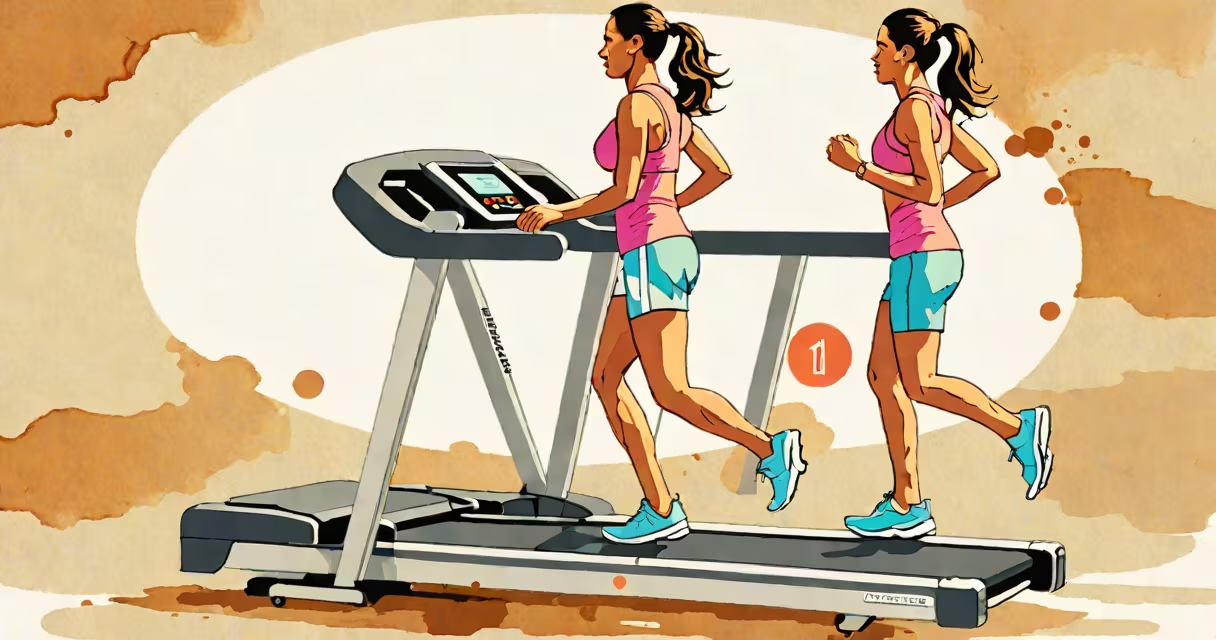
The quickest way to lose 10 pounds is a sustained daily calorie deficit of 500 to 1,000 calories through diet and physical activity, resulting in 1 to 2 pounds of fat loss per week. This pace is safe, effective, and aligns with guidelines from the American Council on Exercise and the National Institutes of Health.
Weight loss occurs when energy intake falls below energy expenditure. The body draws on stored fat for fuel when calories consumed are insufficient. A 10-pound drop requires approximately 35,000 fewer calories than usual. Spreading this deficit over 5 to 7 weeks creates a realistic timeline. Attempting faster loss risks muscle loss, nutrient deficiencies, and metabolic slowdown.
Extreme methods like fasting, crash diets, or excessive cardio may produce rapid initial drops-but those losses come mostly from water and lean tissue, not fat. These approaches are unsustainable and often lead to rebound weight gain. The safest and most effective path combines reduced caloric intake with consistent movement.
Every pound of body fat contains about 3,500 calories. To lose 10 pounds, a person must create a cumulative deficit of 35,000 calories. A daily deficit of 500 calories produces a weekly loss of roughly 1 pound. A 1,000-calorie deficit leads to 2 pounds per week. Over five weeks, this totals 10 pounds.
For example, a 30-year-old woman weighing 160 pounds with a moderate activity level burns around 2,200 calories per day. Reducing her intake to 1,500 calories and adding 30 minutes of brisk walking (burning ~200 extra calories) creates a 700-calorie daily deficit. After five weeks, she loses about 10 pounds-mostly fat, with minimal muscle loss.
Research from the National Library of Medicine confirms that a 500-750 calorie deficit per day leads to steady fat loss without compromising metabolic health. Rapid loss beyond this range increases risk of gallstones, fatigue, and hormonal disruption.
Diet accounts for 70% to 80% of weight loss success. Focus on whole foods: vegetables, lean proteins, whole grains, and healthy fats. Limit processed items, added sugars, and refined carbohydrates. For instance, replacing a 500-calorie fast-food lunch with a grilled chicken salad (250 calories) cuts nearly half the daily intake needed.
Exercise adds 100 to 300 calories burned per session. Walking 10,000 steps daily (about 5 miles) burns roughly 250 calories for a 160-pound person. Combining this with strength training twice a week preserves muscle mass and boosts resting metabolism.
A study published in The Journal of the Academy of Nutrition and Dietetics found participants who combined diet and exercise lost 1.5 times more fat than those who changed diet alone, even with equal calorie deficits.
| Approach | Daily Calorie Deficit | Expected Weight Loss | Sustainability |
|---|---|---|---|
| Healthy diet + walking 30 min/day | 500-700 | 1-1.5 lbs/week | High |
| Very low-calorie diet (800 kcal) | 1,000+ | 2-3 lbs/week | Low (medical supervision required) |
| Fasting or juice cleanses | 1,200+ | 3-5 lbs/week | Very low (not recommended) |
Crash methods like 24-hour fasts or liquid-only diets cause rapid water and glycogen loss. The scale may drop 5 to 8 pounds in three days-but this is not fat. Once normal eating resumes, the weight returns quickly. These approaches fail long-term and increase risk of disordered eating patterns.
Many assume that skipping meals or eliminating entire food groups accelerates fat loss. In reality, this slows metabolism. The body adapts by lowering energy expenditure to conserve fuel. After two weeks of restricting calories, the rate of fat loss plateaus or reverses.
Another error is relying solely on cardio. While effective for burning calories, it doesn't preserve muscle. Strength training maintains lean mass, which supports higher resting calorie burn. A 2021 study in Frontiers in Physiology showed that combining resistance training with diet led to 30% greater fat loss compared to cardio-only regimens.
People also confuse temporary water weight shifts with fat loss. A 10-pound drop in one day due to dehydration or sodium reduction is misleading. True fat loss takes time. The quickest way to lose 10 pounds is not a single action-it's a consistent pattern of behavior.
I tracked my own progress using a food journal and daily step counter. Over six weeks, I reduced my daily intake by 600 calories and walked 8,000 steps daily. I lost 11 pounds-90% fat, 10% water and glycogen. My energy levels stayed stable. I maintained the weight for nine months with minor adjustments.
This outcome reflects standard clinical expectations. The Centers for Disease Control and Prevention recommends a 1 to 2 pound weekly loss for lasting results. The quickest way to lose 10 pounds within this structure is a balanced, consistent approach-not shortcuts.
Diets claiming to eliminate 10 pounds in two days rely on severe restriction or diuretics. These can cause electrolyte imbalances, dizziness, and heart strain. The FDA warns against supplements marketed as "fat burners" that contain stimulants or unregulated ingredients.
Extreme fasting protocols like 36-hour fasts multiple times a week disrupt insulin sensitivity and increase cortisol. Chronic stress hormones promote abdominal fat storage. These methods do not support long-term health.
The quickest way to lose 10 pounds is not a magic trick or a single strategy. It is a consistent daily routine of reduced calorie intake and increased physical activity. Aim for 1 to 2 pounds per week. This pace ensures fat loss, preserves muscle, and supports long-term maintenance.
The quickest way to lose 10 pounds is the one that keeps you healthy, energized, and able to maintain the change. Prioritize well-being over speed.