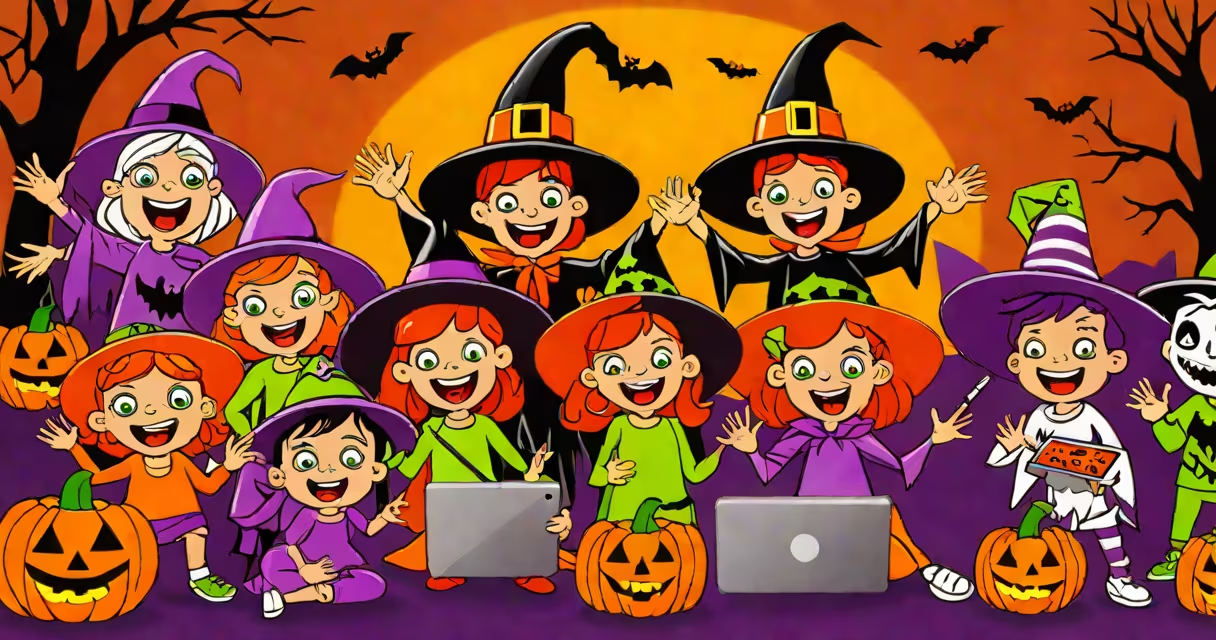
halloween music for kids is curated audio designed for young audiences, blending playful rhythms, whimsical lyrics, and light spooky themes without frightening elements. It's meant to entertain and engage children aged 2 to 10 during holiday activities, avoiding loud sounds, jump scares, or dark imagery.
These tracks often feature bouncy melodies, animal characters in costumes, and themes like trick-or-treating, jack-o'-lanterns, and friendly monsters. Unlike adult-oriented horror soundtracks, they avoid blood, gore, or intense suspense. The goal is celebration, not fear.
For example, "The Monster Mash" by Bobby Pickett is frequently adapted for children with softened vocals and simplified verses. A version released by Sesame Street uses animated puppets and upbeat tempo to keep energy high while removing any unsettling tone. This adaptation appears in official playlists on Spotify and YouTube Kids.
halloween music for kids operates through intentional sonic design. Producers avoid sudden volume spikes, low-frequency rumbles, or dissonant chords common in horror scores. Instead, they use major keys, predictable patterns, and familiar instruments like xylophones, hand drums, and bright synth tones.
Lyrics focus on positive experiences: "I'm going door-to-door, collecting candy, and I'll share it with my friends." Themes center on community, costume fun, and seasonal joy. Songs often include call-and-response segments to encourage participation, especially in preschool settings.
A study by the American Academy of Pediatrics (AAP) notes that music with consistent rhythm and clear structure supports cognitive development in early childhood. This makes age-appropriate Halloween music effective not just for entertainment but also for reinforcing routines and emotional regulation during holidays.
There are several categories of halloween music for kids, each suited to different contexts:
| Type | Use Case | Example Track | Duration |
|---|---|---|---|
| Interactive Songs | Classroom circle time, parent-child play | "Trick or Treat!" by The Learning Station | 2 minutes |
| Background Playlists | Party decor, themed meals, car rides | "Spooky Sock Hop" - YouTube Kids collection | 30 minutes |
| Bedtime Versions | Wind-down routines, naptime | "Hush Little Pumpkin" - calm instrumental cover | 5 minutes |
Interactive songs often include actions like clapping, stomping, or waving hands. Background playlists maintain steady tempo and minimal vocal layers to avoid overstimulation. Bedtime versions slow the beat to 60-70 BPM and remove lyrics entirely in some cases.
One non-obvious distinction: many "kids' Halloween songs" labeled as such on streaming platforms are actually remixes of adult tracks. For example, a popular TikTok trend features a slowed-down version of "Thriller" by Michael Jackson. While catchy, this track contains lyrical references to death and supernatural imagery unsuitable for under-7s. Parents should verify content before playing.
People often assume that any Halloween-themed song with a spooky melody qualifies as halloween music for kids. That's incorrect. A track like "Ghostbusters" by Ray Parker Jr., while widely recognized, includes lines about capturing spirits and references to paranormal activity that may confuse or unsettle younger listeners.
Another misconception is that volume and tempo automatically make music suitable for children. High energy doesn't equal appropriateness. A fast-paced version of "Boogie Woogie Bugle Boy" played at double speed might excite older kids but overwhelm toddlers with sensory overload.
halloween music for kids is used in homes, schools, daycare centers, and retail environments. Stores like Pottery Barn Kids offer seasonal audio kits with downloadable tracks tied to their holiday décor. These are often bundled with printable activity sheets and storybooks.
According to the National Association for Music Education (NAfME), 68% of elementary schools in the U.S. incorporate themed music into seasonal units. Halloween is one of the most frequently taught themes due to its cultural familiarity and visual appeal. Teachers use music to teach counting (e.g., "Five Little Pumpkins"), sequencing (e.g., "The Night Before Halloween"), and vocabulary (e.g., "costume," "candy," "scarecrow").
Parents also use it during travel. A 2023 survey by Common Sense Media found that 54% of families with children under 12 play themed music during long drives around Halloween. The most requested tracks were "Monster Dance" by The Wiggles and "Pumpkin Patch" by Bounce Patrol.
When choosing halloween music for kids, prioritize content that matches your child's age, attention span, and emotional sensitivity. Look for tracks with consistent pacing, positive language, and absence of sudden noises. Always preview audio before playback.
True halloween music for kids isn't about being scary-it's about shared joy, creative expression, and safe excitement. With thoughtful curation, it becomes a meaningful part of seasonal traditions.