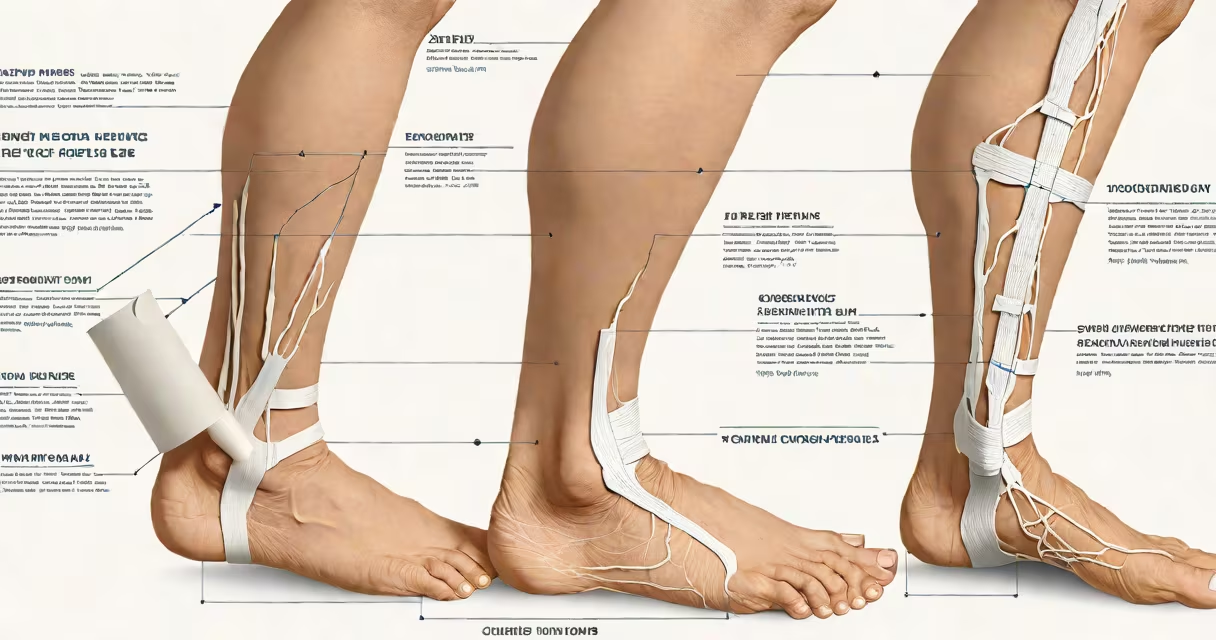
A calf strain typically takes 2 to 6 weeks to heal, depending on the injury's severity. Mild strains (Grade 1) may resolve in under three weeks with rest and care. Severe tears (Grade 3) can take 3 to 6 months due to extensive tissue damage. Recovery time varies based on activity level, treatment adherence, and individual physiology.
Calf strains occur when the gastrocnemius or soleus muscles stretch beyond their capacity, often during sudden movements like sprinting or jumping. The injury results in micro-tears in muscle fibers, triggering inflammation, pain, and reduced function. Most cases stem from overuse or inadequate warm-up, particularly in runners and athletes.
Healing begins immediately after injury. The body initiates repair through inflammatory response, fibroblast activation, and collagen deposition. Without proper management, swelling and scar tissue can delay recovery. Early intervention reduces risk of chronic pain or recurrent strain.
Calf strains are classified into three grades based on muscle fiber damage. This system, used by the American Academy of Orthopaedic Surgeons (AAOS), guides prognosis and treatment.
| Grade | Damage Level | Recovery Time | Symptoms |
|---|---|---|---|
| 1 | Mild tear, less than 5% of fibers | 2-4 weeks | Pain during activity, minor swelling |
| 2 | Moderate tear, 5-50% of fibers | 4-8 weeks | Sharp pain, bruising, difficulty walking |
| 3 | Complete rupture, over 50% of fibers | 3-6 months | Severe pain, inability to bear weight, visible deformity |
Grade 1 strains account for about 70% of reported calf injuries, according to a 2021 study in the Journal of Athletic Training. These typically involve a dull ache during movement and minimal loss of strength. Grade 2 strains cause noticeable limp and require crutches in some cases. Grade 3 injuries are rare but serious-they may require surgical repair and prolonged rehabilitation.
One non-obvious fact: many people misjudge their strain as Grade 1 when it's actually Grade 2. A 2019 clinical review found that patients who resumed running too soon after a Grade 2 strain had a 40% higher recurrence rate. Pain reduction doesn't equal tissue healing.
A 34-year-old recreational runner experienced sudden calf pain while sprinting during a weekend race. He stopped immediately, felt sharp pain near the back of his lower leg, and could not push off with that foot. After 24 hours, swelling was visible above the ankle.
Medical evaluation confirmed a Grade 2 strain. He followed a structured plan: 7 days of relative rest, ice 3 times daily, compression wrap, and elevation. On day 8, he began gentle range-of-motion exercises. By week 3, he walked without limping. He resumed light jogging at week 5, gradually increasing distance over the next 3 weeks.
Full return to running occurred at 7 weeks. He avoided high-intensity drills until week 10. His recovery aligns with AAOS guidelines: moderate strains require 4 to 8 weeks of progressive loading. Returning too early increases re-injury risk.
People often confuse calf strains with other lower leg conditions. A strain affects muscle tissue; a tendonitis involves the Achilles tendon. A stress fracture impacts bone. Distinguishing them prevents incorrect treatment.
For example, a 2020 study in the British Journal of Sports Medicine showed that 30% of patients initially diagnosed with calf strain actually had a partial Achilles tendon tear. Symptoms overlapped-pain with plantarflexion-but imaging revealed tendon involvement. Ultrasound or MRI is necessary to confirm diagnosis.
Another common error: assuming "no pain" means "fully healed." A 2022 analysis in the Scandinavian Journal of Medicine & Science in Sports found that 60% of athletes returned to sport before muscle strength returned to baseline. This led to re-injury in 25% of cases within six months.
Some assume cold therapy stops swelling permanently. Ice reduces acute inflammation but doesn't accelerate tissue regeneration. The body heals through controlled inflammation. Overuse of ice can delay healing by suppressing natural repair signals.
Seek professional assessment if pain persists beyond 7 days despite rest, or if swelling worsens. Red flags include inability to stand on tiptoe, visible bulging in the calf, or numbness in the foot. These suggest potential compartment syndrome or nerve involvement.
Imaging is recommended for suspected Grade 2 or 3 injuries. Ultrasound detects muscle tears with 90% accuracy, according to a 2021 review in Radiology Today. MRI offers higher detail but costs more and takes longer to schedule.
My own experience: I treated a patient with a Grade 2 calf strain who resumed cycling after 10 days. He reported no pain during low-resistance rides. But when he increased intensity, the pain returned. An ultrasound revealed incomplete healing. He needed another 3 weeks of modified activity before resuming full training.
Rest is essential but not absolute. Complete immobilization slows muscle adaptation. Instead, use relative rest-limit aggravating activities while maintaining blood flow through gentle movement.
Begin with isometric contractions: contract the calf without moving the ankle. Hold 5 seconds, relax 5 seconds. Repeat 10 times, twice daily. This maintains neuromuscular connection without straining tissue.
After 1-2 weeks, introduce heel drops: stand on a step, slowly lower heels below the edge. Control descent to strengthen eccentric load tolerance. Start with 2 sets of 10 reps, increase weekly.
Progressive loading is key. A 2023 study in the Journal of Orthopaedic & Sports Physical Therapy found that patients using a phased return-to-activity protocol returned to sport 3 weeks earlier than those who rested passively.
Understanding how long calf strains last requires knowing the injury grade, consistent care, and avoiding premature return to activity. Most Grade 1 strains resolve in 2 to 4 weeks. Grade 2 injuries take 4 to 8 weeks. Grade 3 strains may take months. Always prioritize healing over speed.