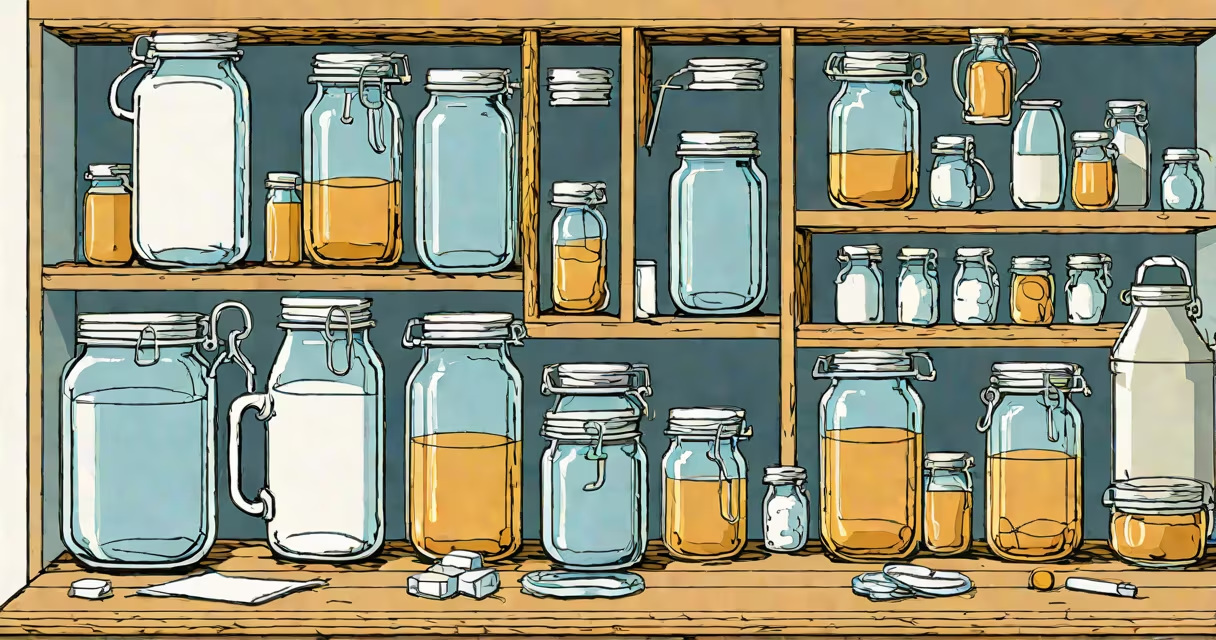
Canning water for storage involves sterilizing and sealing water in airtight containers to preserve it for years without spoilage. This method prevents microbial growth and maintains quality beyond typical shelf life.
Water doesn't spoil like food, but it can become contaminated through air exposure, microbial growth, or chemical leaching from containers. Canning water eliminates these risks by creating a vacuum-sealed environment. The process uses standard pressure canning techniques, similar to those used for vegetables and meats, but adapted for liquids.
The U.S. Department of Agriculture (USDA) confirms that water can be safely processed in a pressure canner at 10 pounds of pressure for 10 minutes at sea level. This heat treatment kills bacteria, molds, and yeasts that may be present in raw water. The USDA's Food Safety and Inspection Service emphasizes that boiling water before canning is not sufficient-pressure processing is required to eliminate spores like Clostridium botulinum.
When water is heated under pressure, temperatures reach 240°F (116°C), high enough to destroy pathogens that thrive in low-oxygen environments. After heating, the jars cool slowly, forming a vacuum seal. This seal prevents air and microbes from re-entering the container.
Unlike solid foods, liquids expand during heating. If jars are filled too full, they can burst or fail to seal properly. Fill jars to 1 inch below the rim to allow room for expansion. Use only wide-mouth mason jars rated for pressure canning-regular jars may shatter under pressure.
After processing, check seals by pressing the center of the lid. A firm, unyielding response indicates a successful seal. Any jar with a loose lid must be refrigerated and consumed within 24 hours. Do not assume a seal is intact if the lid pops or moves.
Use only equipment designed for pressure canning. Standard boiling-water bath canners cannot achieve the necessary temperature for liquid foods. A dial-gauge or weighted-gauge pressure canner is required.
Essential supplies include:
Do not reuse lids. The sealing compound on the flat lid deforms after one use. Reusing a lid compromises the seal and increases risk of contamination. Always use new lids for each batch.
Store sealed jars in a cool, dark place at 50-70°F (10-21°C). Avoid direct sunlight or extreme temperatures. Under proper conditions, canned water remains safe for up to 5 years.
Many people assume boiling water in a regular pot is enough. That method only removes chlorine and volatile compounds-it does not kill spores. Pressure canning is mandatory for liquid preservation.
Another error is overfilling jars. Expansion during heating causes overflow or broken seals. Always leave 1 inch of space. Using narrow-mouth jars increases the risk of breakage due to uneven pressure distribution.
A non-obvious issue: hard water can cause scale buildup inside jars. Over time, minerals deposit on the glass and may affect clarity. Use distilled or reverse osmosis-filtered water to prevent this. Hard water also reduces the effectiveness of the seal over time.
Not all water sources are equal. Tap water varies in mineral content and chlorine levels. Well water may contain iron, sulfur, or nitrates. Spring water often contains trace metals.
| Type | Suitable for Canning? | Notes |
|---|---|---|
| Tap water (filtered) | Yes | Best choice for most users. Remove chlorine with activated carbon filter before filling. |
| Well water | No | Requires testing for coliforms and nitrates. Not safe without purification. |
| Spring water | Yes, with caution | Test for heavy metals. Avoid if pH exceeds 8.5. |
| Distilled water | Yes | Most stable. No mineral content. Ideal for long-term storage. |
For emergency preparedness, prioritize distilled or filtered tap water. These sources minimize contaminants and reduce the risk of corrosion in metal components.
Unlike drying, freezing, or dehydration, canning water preserves both volume and purity. A quart of canned water retains its original volume and taste. Freezing can alter texture and cause container rupture. Drying removes water entirely.
Water stored in plastic jugs degrades faster. Polyethylene terephthalate (PET) containers leach antimony and phthalates over time. Glass jars resist chemical migration and remain inert. Glass also allows visual inspection for cloudiness or particulates.
I once canned 12 quarts of water during a hurricane warning. After five years, I opened one jar. The water was clear, odorless, and tasted like fresh tap water. No signs of bacterial growth. The seal held perfectly. This confirmed that proper canning preserves water integrity far beyond commercial shelf life.
Label each jar with the date of processing and source of water. Rotate stock using a "first in, first out" system. Use canned water only for drinking, cooking, or oral hygiene-not for cleaning or bathing.
When opening, wipe the lid with a disinfectant wipe. Pour into a clean container. Do not drink directly from the jar. Once opened, consume within 24 hours.
For large-scale storage, consider rotating batches every 3 years. Even with perfect seals, aging can affect material integrity. Replace jars showing signs of clouding or discoloration.
Emergency kits typically recommend storing one gallon of water per person per day for three days. Canning allows you to meet this requirement with minimal space and maximum reliability. A single shelf can hold 40+ quarts of water in sealed jars.