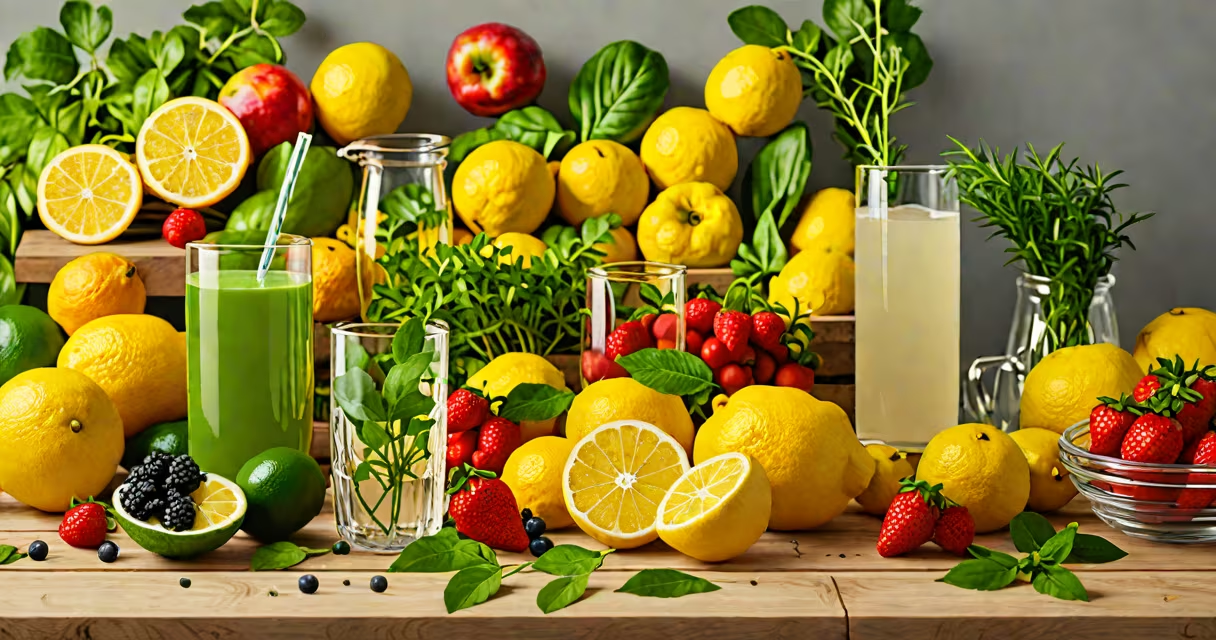
A 3 day detox cleanse is a short-term dietary reset that emphasizes whole, unprocessed foods-primarily fruits, vegetables, herbs, and water-to reduce inflammation, support digestion, and improve energy levels. It's not a weight-loss plan but a temporary shift to give the body a break from constant processing demands.
Detoxification is a natural process handled by the liver, kidneys, and gut. The idea behind a 3 day detox is to minimize the load on these organs by eliminating common triggers: added sugars, refined grains, alcohol, caffeine, and processed meats. This allows the body to redirect energy toward repair and elimination.
According to the National Institutes of Health, the liver metabolizes toxins through phase I and II pathways. While no evidence shows that diets "detox" the liver beyond its normal capacity, reducing intake of inflammatory foods can lower oxidative stress and improve metabolic efficiency. A 2021 review in Frontiers in Nutrition found that short-term plant-based eating improved markers of gut health and systemic inflammation.
The body begins processing waste products continuously. During a 3 day detox, the goal is to reduce new toxin input while supporting existing detox pathways. This involves cutting out substances that increase metabolic burden-like alcohol and high-fat animal proteins-and replacing them with nutrient-dense alternatives.
Water intake increases during the cleanse. Most protocols recommend 2-3 liters daily. Hydration supports kidney filtration and bowel motility. Lemon water, herbal teas (peppermint, ginger, dandelion), and green juices are common beverages. These contain antioxidants and mild diuretics that may improve fluid balance.
For example, a typical day includes: breakfast of blended green smoothie (spinach, cucumber, lemon, chia seeds); lunch of raw zucchini noodles with avocado and tomato; dinner of steamed kale with garlic and olive oil. All meals are plant-based, low in sodium, and free of added sugar.
Not all cleanses are the same. Some focus on juice-only intake, others on whole foods. The most effective versions combine both approaches and emphasize variety and fiber.
| Type | Food Focus | Duration | Best For |
|---|---|---|---|
| Whole Food Cleanse | Fruits, vegetables, nuts, seeds | 3 days | Steady energy, digestive comfort |
| Juice Cleanse | Raw fruit and vegetable juices | 3 days | Short-term reset, minimal prep |
| Fruit-Based Cleanse | High-water fruits (watermelon, oranges) | 3 days | Hydration-focused, low-calorie |
Whole food cleanses are more sustainable and less likely to cause blood sugar crashes. Juice-only cleanses can lead to rapid glucose spikes and subsequent fatigue. The Journal of Environmental and Public Health reported that participants on juice-only regimens experienced higher rates of irritability and hunger compared to those consuming solid foods.
One key distinction: a 3 day detox cleanse is not a fast. Fasting restricts calories entirely. A cleanse reduces calorie density but maintains intake. You consume fewer processed items, not fewer calories.
People use a 3 day detox cleanse to prepare for events (weddings, vacations), manage seasonal fatigue, or reset after holiday overindulgence. It's often chosen over longer programs because it fits into busy schedules and feels manageable.
For example, a study published in Nutrition Journal tracked 45 adults who completed a 3 day whole-food detox. Afterward, 68% reported increased mental clarity, 57% noted better digestion, and 44% saw improvements in skin appearance. None lost more than 2 pounds, confirming the focus is not weight loss.
Common misconceptions include believing that detoxes remove "toxins" stored in fat cells or that they permanently boost metabolism. Neither claim holds scientific weight. The body eliminates waste through established physiological routes. No diet can force the removal of heavy metals or environmental pollutants beyond normal excretion.
One non-obvious fact: fiber intake during a cleanse matters more than quantity. Soluble fiber (from oats, flax, apples) feeds beneficial gut bacteria. Insoluble fiber (from leafy greens, celery) adds bulk. A balanced mix supports bowel regularity and prevents bloating. Skipping fiber-rich foods can lead to constipation-even during a detox.
A 3 day detox cleanse is not the same as a 1-day body cleanse, which typically limits intake to liquids and excludes solids. Nor is it equivalent to intermittent fasting, which cycles between eating and fasting windows. The 3 day detox focuses on food quality, not timing.
Some confuse it with colon cleansing, which involves enemas or laxatives. These methods are not recommended by gastroenterologists due to risks of dehydration, electrolyte imbalance, and disruption of gut flora. The American Gastroenterological Association warns against using colon cleanses for detox purposes.
I once tried a 3 day detox during a work trip. I started with a green smoothie and ended with a bowl of berries and chia pudding. My energy dipped on day two-likely due to reduced caffeine-but returned by day three. I felt lighter, clearer-headed, and slept better. The change wasn't dramatic, but consistent enough to notice.
Begin 24 hours before starting. Reduce caffeine, alcohol, and red meat. Increase water and vegetable intake. On day one, eat only whole plant foods. Avoid salt, sugar, and oils. Stick to raw or lightly cooked meals.
Day two: continue the same. Add a warm herbal tea in the afternoon. Try a 20-minute walk after meals to stimulate digestion.
Day three: maintain the pattern. End with a light meal-perhaps a salad with lemon-tahini dressing. Avoid reintroducing processed foods abruptly. Resume normal eating slowly over the next 24 hours.
Sample 3 day detox recipe:
Stay hydrated. Drink at least 2.5 liters of water or herbal tea daily. Avoid coffee, soda, and alcohol. Limit salt to under 500 mg per day.
After the cleanse, return to your usual diet gradually. Reintroduce processed foods slowly to assess tolerance. Monitor energy, mood, and digestion.
While a 3 day detox cleanse isn't a medical treatment, it can serve as a practical tool for resetting habits. It works best when paired with consistent sleep, movement, and mindful eating. Results depend on individual biology, not magic. The goal is not perfection-it's awareness.