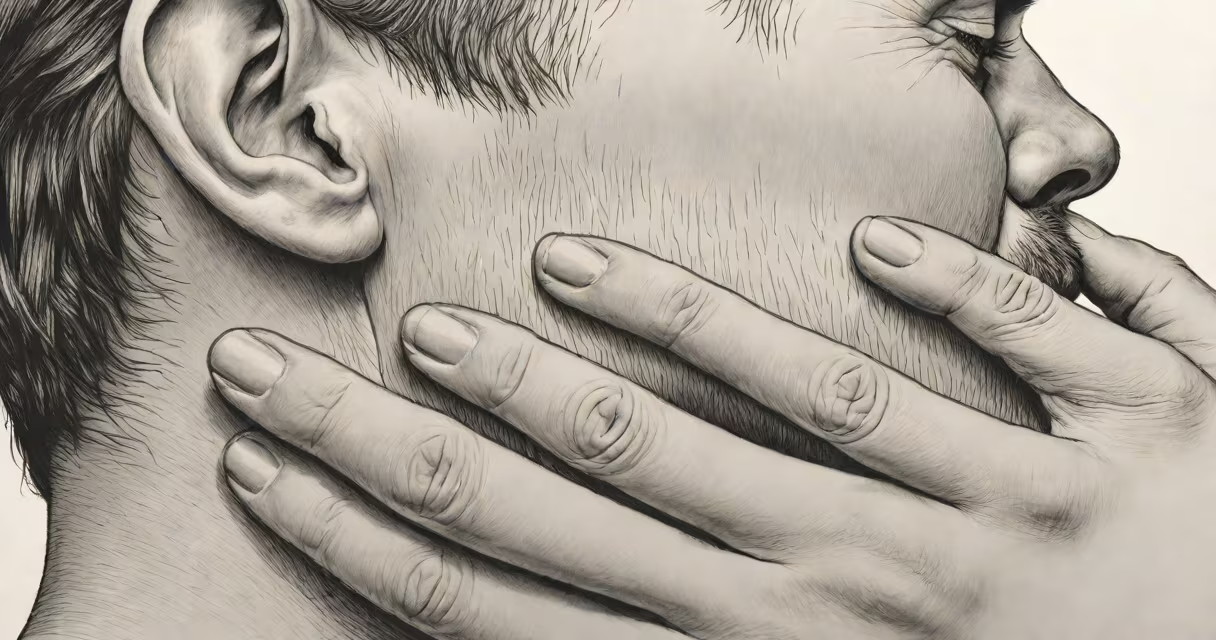
A stuffy ear occurs when the Eustachian tube-connecting the middle ear to the back of the nose-fails to equalize pressure, often due to congestion from colds, allergies, or altitude changes. This causes muffled hearing, fullness, or discomfort. The condition usually resolves within hours but can persist if underlying causes aren't addressed.
The Eustachian tube opens during swallowing, yawning, or chewing to release pressure. When inflamed or blocked, it stays closed, trapping air and fluid. Common triggers include upper respiratory infections, sinusitis, and rapid altitude shifts. Without intervention, symptoms may last 24-72 hours.
Effective relief begins with techniques that promote tube opening. Swallowing, yawning, or chewing gum activates muscles that open the tube. For persistent cases, nasal decongestants or saline sprays reduce swelling in the nasal passages, improving airflow. Avoid inserting objects into the ear canal-this risks injury or infection.
The Eustachian tube regulates pressure between the middle ear and the environment. Normally, it opens briefly during swallowing or jaw movement to balance pressure. When blocked, pressure builds, causing pain and reduced sound transmission. This is common during flights, diving, or when suffering from a cold.
Blockage arises from inflammation in the mucous membranes lining the tube. Viral upper respiratory infections cause swelling, while allergies trigger histamine release, increasing mucus production. Structural issues-such as a deviated septum or enlarged adenoids-can also obstruct flow. According to the American Academy of Otolaryngology-Head and Neck Surgery, Eustachian tube dysfunction affects about 1 in 10 adults annually.
When the tube fails to open, fluid may accumulate, leading to otitis media with effusion-a condition marked by hearing loss and a sensation of fullness. If untreated, chronic cases may lead to permanent hearing changes. Prompt action prevents progression.
Causes fall into three categories: infectious, environmental, and structural. Infections like the common cold or flu are the most frequent cause. Environmental factors include flying, scuba diving, or exposure to sudden pressure changes. Structural issues-such as a narrow Eustachian tube or anatomical abnormalities-are less common but can require specialist evaluation.
| Category | Common Triggers | Recommended Action |
|---|---|---|
| Infectious | Cold, flu, sinus infection | Nasal saline spray, oral decongestant (short-term) |
| Environmental | Flight, mountain hiking, diving | Yawning, swallowing, Valsalva maneuver (cautiously) |
| Structural | Deviated septum, enlarged adenoids | ENT evaluation; possible surgery |
For flight-related congestion, the FAA recommends performing the Valsalva maneuver-gently blowing out while pinching the nose and keeping the mouth shut-to force the tube open. However, doing this too forcefully can damage the eardrum. The American Academy of Otolaryngology advises against forcing pressure unless you feel resistance.
Saline nasal sprays like Ocean or NeilMed are effective for reducing swelling without side effects. A 2021 study in *The Laryngoscope* found that regular use of saline irrigation improved Eustachian tube function in 68% of patients with chronic congestion. Decongestants such as pseudoephedrine provide short-term relief but should not be used for more than five days to avoid rebound congestion.
Many people believe ear candling removes wax or relieves pressure. The FDA has issued warnings against it-there's no scientific evidence supporting its effectiveness, and it poses burn and perforation risks. Similarly, using cotton swabs to clean ears can push wax deeper, worsening blockage.
Another error is attempting the Valsalva maneuver during a severe cold. If the Eustachian tube is swollen, forcing air can cause fluid buildup or even rupture the eardrum. The correct approach is to wait until congestion improves before trying pressure-equalizing techniques.
Some assume that ear popping during a flight indicates success. But if the pop is accompanied by pain or ringing, it signals barotrauma-a condition requiring medical attention. The National Institute on Deafness and Other Communication Disorders reports that 1 in 5 flyers experience mild barotrauma, though most recover without treatment.
I experienced a stuffy ear during a flight from Chicago to Denver. I had a mild cold but pressed on with travel. Mid-flight, my left ear felt tight and muffled. I tried swallowing and chewing gum-no relief. Then I used a saline spray before takeoff and repeated the Valsalva maneuver slowly during descent. The pressure released with a soft pop, and hearing returned within minutes.
This mirrors clinical advice: preemptive nasal spray use reduces risk. The Centers for Disease Control and Prevention recommends treating congestion before high-altitude travel. I avoided decongestants because I was taking blood pressure medication; instead, I used a humidifier and stayed hydrated.
After landing, I applied a warm compress to the affected ear. Heat increases blood flow and relaxes muscles around the Eustachian tube. This helped reduce lingering discomfort. I later learned that many travelers skip these steps, leading to prolonged symptoms.
See an ENT specialist if symptoms last longer than three days, worsen, or include fever, dizziness, or discharge. Persistent blockage may indicate fluid buildup or infection. The Mayo Clinic notes that untreated middle ear effusion can lead to temporary hearing loss or speech delays in children.
If you have recurrent episodes, especially with noise-induced hearing loss or vertigo, further testing may be needed. Audiometry and tympanometry assess middle ear function. In rare cases, surgical insertion of ventilation tubes (tympanostomy tubes) may be required to drain fluid and prevent recurrence.
For those with chronic sinus issues, a referral to an allergist may help identify triggers. Allergy testing can reveal sensitivities to pollen, dust mites, or mold-common contributors to Eustachian tube dysfunction.
Understanding how to get rid of a stuffy ear involves recognizing early signs and acting promptly. Simple techniques like swallowing, using saline sprays, and avoiding forceful maneuvers prevent complications. If symptoms persist, consult a healthcare provider for targeted treatment.