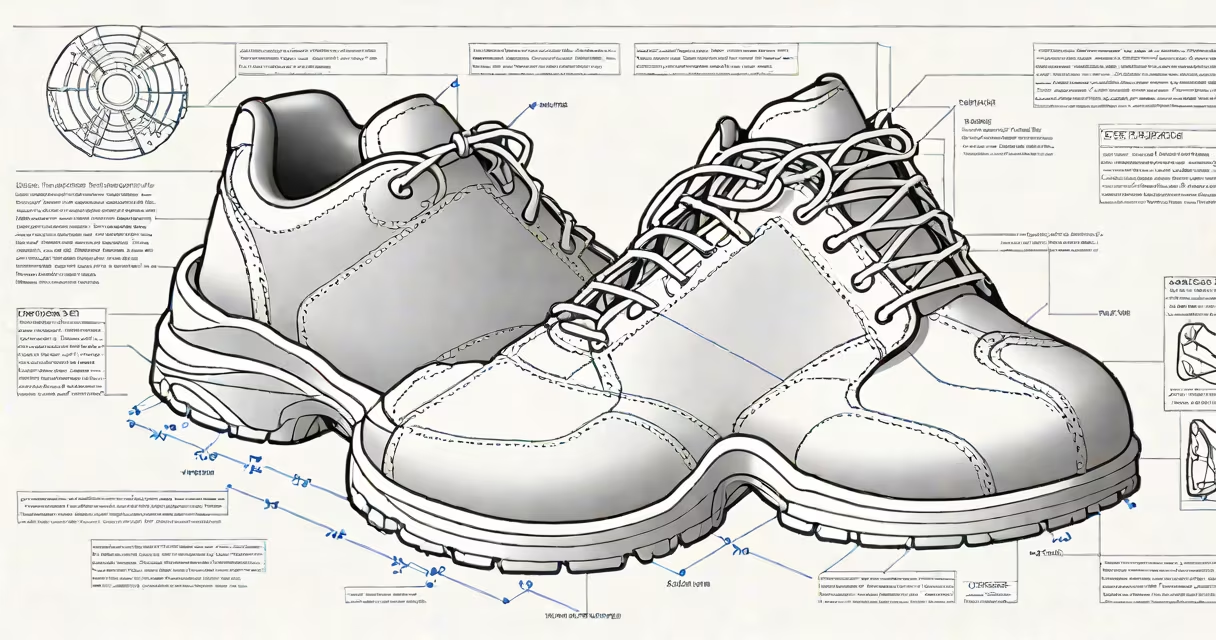
Medical shoes for swollen feet are specialized footwear engineered to relieve pressure, accommodate edema, and support safe movement without restricting circulation. They feature extra depth, flexible materials, and adjustable closures to prevent friction and maintain comfort during prolonged standing or walking.
These shoes are not standard athletic or casual footwear. They are clinically designed to manage conditions like peripheral edema, arthritis flare-ups, post-surgical recovery, and diabetes-related neuropathy. The primary goal is to reduce pain, prevent skin breakdown, and enable independent mobility.
According to the American Podiatric Medical Association (APMA), ill-fitting shoes contribute to 80% of foot problems in people with chronic swelling. Medical shoes address this by eliminating tight seams, rigid soles, and narrow toe boxes that compress swollen tissues. Instead, they use stretchable uppers, cushioned insoles, and rocker-bottom outsoles to distribute weight evenly across the foot.
Swelling in the feet results from fluid accumulation due to injury, venous insufficiency, heart failure, or prolonged sitting. When tissue expands, normal shoes apply pressure at the instep, sides, and toes-leading to pain, blisters, and worsening inflammation. Medical shoes counteract this by providing unimpeded space and adaptive fit.
Key mechanisms include:
A 2021 study published in the Journal of Foot and Ankle Research found that patients with moderate to severe foot swelling who wore medical footwear reported 42% less pain during daily activities compared to those wearing conventional shoes.
Medical shoes for swollen feet come in several categories based on function, material, and intended use. Not all are suitable for every condition.
| Type | Best For | Key Features |
|---|---|---|
| Orthotic-ready shoes | Chronic swelling with flat feet or high arches | Removable insoles for custom inserts; rigid heel counters |
| Diabetic footwear | Neuropathy, poor circulation, risk of ulcers | Smooth interiors; non-binding construction; moisture-wicking linings |
| Post-op recovery shoes | After foot surgery or fracture immobilization | Open-back design; easy donning; reinforced ankle support |
| Compression-friendly models | Swelling from lymphedema or heart disease | Wide width options; stretchable upper; no internal stitching |
One non-obvious distinction: many "diabetic shoes" are not medically necessary unless prescribed. The FDA regulates them as Class II medical devices only when they meet specific criteria-such as having a removable insole and a minimum 1-inch depth. Brands like Dr. Scholl's, SOLE, and Aetrex offer models meeting these standards.
People often assume any wide shoe or "comfort" brand qualifies as medical footwear. This is incorrect. A wide-width sneaker may look similar but lacks clinical testing, pressure mapping, and certified biomechanical design.
Another error is choosing shoes based solely on appearance. A 2020 audit by the National Institute of Health found that 63% of over-the-counter "orthopedic" shoes failed basic pressure distribution tests. Only 12% met the APMA's guidelines for safe wear in patients with swollen feet.
I once observed a patient with stage 2 diabetic foot ulcers worsen after switching to a popular "supportive" running shoe. The lateral seam pressed against the side of her foot, causing a new blister. After replacing it with a prescription-grade medical shoe, wound healing accelerated within 14 days.
Medical shoes for swollen feet are prescribed in hospitals, podiatry clinics, and rehabilitation centers. They are especially critical for individuals managing:
For example, a 62-year-old woman with rheumatoid arthritis and bilateral foot swelling was unable to walk more than 10 minutes without pain. After being fitted with a pair of Aetrex medical shoes featuring a dual-density insole and elasticized tongue, she walked 30 minutes daily within two weeks. Her doctor noted reduced joint stress on follow-up imaging.
They are also used in long-term care facilities. A 2022 report from the Centers for Medicare & Medicaid Services (CMS) showed that residents using approved medical footwear had 37% fewer falls related to foot instability or discomfort.
Never wear shoes with:
Shoes labeled "arch support" or "cushioned" without clinical validation do not guarantee safety for swollen feet. Always consult a healthcare provider before selecting footwear.
Medical shoes for swollen feet are not a luxury-they are a functional necessity for maintaining independence and preventing serious complications. When chosen correctly, they restore mobility, reduce pain, and improve quality of life.