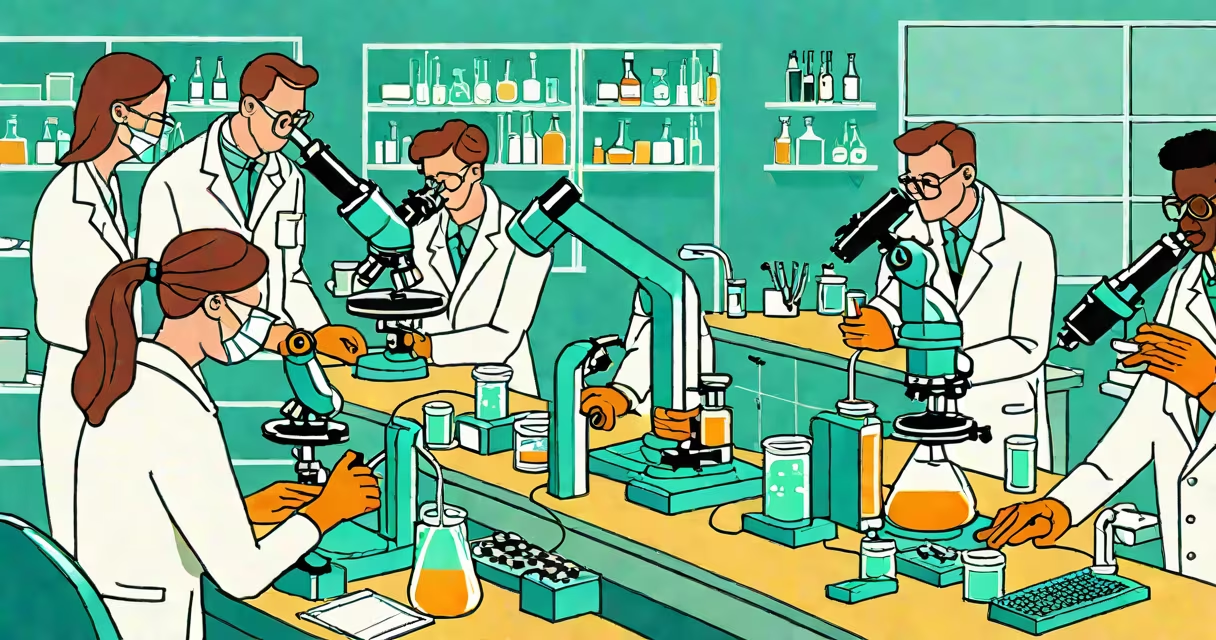
Health science is the interdisciplinary study of human health, disease prevention, and healthcare delivery systems. It combines biology, behavioral science, public health, and clinical practices to improve individual and population well-being. This field addresses both the causes of illness and the structures that support medical care.
Health science focuses on understanding how biological processes interact with lifestyle, environment, and healthcare access. It includes research into infectious diseases, chronic conditions like diabetes, mental health disorders, and the effectiveness of treatments. Professionals in this domain work in hospitals, labs, government agencies, and community clinics.
According to the National Institutes of Health (NIH), health science integrates evidence-based approaches to reduce disease burden and increase life expectancy. The World Health Organization (WHO) defines health science as essential for achieving universal health coverage, particularly in underserved regions.
Health science operates through four core functions: research, diagnosis, intervention, and evaluation. Research identifies patterns in disease spread, treatment outcomes, and risk factors. Diagnosis involves assessing symptoms and test results to determine health status. Intervention applies therapies, vaccines, or behavioral changes to treat or prevent illness. Evaluation measures whether interventions succeed over time.
For example, during the 2020-2022 pandemic, health scientists analyzed viral transmission rates using data from 120 countries. They modeled infection curves and assessed mask efficacy, leading to updated guidelines from the CDC. These models relied on statistical analysis, epidemiological tracking, and real-time reporting from healthcare providers.
Health science also uses clinical trials to test new drugs or procedures. A Phase III trial for a new hypertension medication involved 5,000 participants across 15 U.S. hospitals. Researchers compared blood pressure reduction between placebo and treatment groups over 12 months. Results showed a 30% greater improvement in the treatment group, leading to FDA approval.
Health science divides into several specialized domains, each focusing on different aspects of health and care delivery.
| Type | Focus Area | Example Application |
|---|---|---|
| Biomedical Science | Cellular and molecular mechanisms of disease | Developing cancer immunotherapies based on T-cell behavior |
| Public Health | Disease prevention at population level | Designing vaccination campaigns for measles outbreaks |
| Health Services Administration | Management of healthcare facilities and policies | Optimizing hospital staffing schedules using patient volume data |
| Behavioral Health | Psychosocial factors influencing health choices | Creating smoking cessation programs tailored to low-income communities |
Many students pursue degrees in health science through structured academic paths. A bachelor's program in health studies typically covers anatomy, nutrition, ethics in medicine, and health policy. Courses often include hands-on training in data collection, patient communication, and health informatics.
One non-obvious distinction: health science is not synonymous with clinical medicine. While doctors diagnose and treat patients directly, health scientists analyze systems, behaviors, and outcomes to improve care at scale. A physician may prescribe insulin for a diabetic patient; a health scientist might study why 40% of rural patients fail to refill prescriptions due to transportation barriers.
Health science supports decision-making in healthcare settings, government agencies, and nonprofit organizations. Hospitals use health science data to track infection rates, reduce readmission numbers, and allocate staff efficiently. For instance, a 2021 study found that hospitals using predictive analytics reduced ICU transfer delays by 27%.
Public health departments rely on health science to respond to emergencies. When the 2014 Ebola outbreak reached West Africa, health scientists coordinated contact tracing, monitored symptom progression, and advised quarantine protocols. Their modeling helped contain the virus within six months in Liberia and Sierra Leone.
Health science also informs policy. The Affordable Care Act included provisions based on decades of health science research showing that preventive screenings reduce long-term costs. Mammograms and colonoscopies, for example, detect early-stage cancers with 90% accuracy, lowering mortality rates by up to 40% in high-screening populations.
Many assume health science is limited to laboratory research or medical school preparation. In reality, it spans social sciences, data analysis, and administrative roles. A health science graduate can manage a community wellness center, design digital health apps, or evaluate insurance coverage gaps.
Another misconception: health science only deals with physical illness. Mental health is a major component. The American Psychological Association reports that depression affects 17 million U.S. adults annually. Health science programs now integrate cognitive behavioral therapy principles and trauma-informed care into curricula.
I once observed a student in a health studies capstone project analyze food insecurity in urban neighborhoods. Using census data, grocery store locations, and survey responses from 300 residents, they mapped areas with limited access to fresh produce. Their findings influenced a city-funded mobile farmers' market initiative that served 1,200 people monthly.
Health science is not just about treating sickness-it's about preventing it, understanding root causes, and building resilient systems. It bridges science and society, turning data into action.
Understanding what is health science about reveals a discipline grounded in measurable outcomes, ethical responsibility, and systemic problem-solving. It's not a single path but a network of disciplines working toward healthier lives.