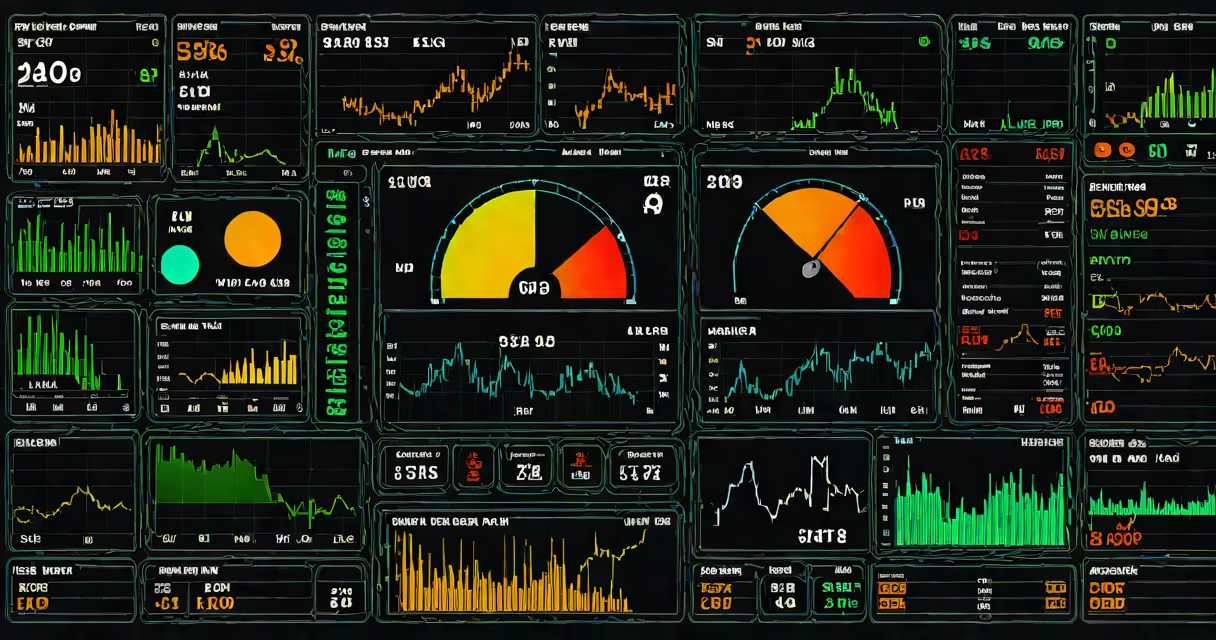
A money invest game is a simulated environment where players allocate virtual funds to stocks, bonds, or other assets to learn investing principles without risking real capital. These games replicate market dynamics, including price volatility, news events, and portfolio performance tracking.
Players make buy, sell, and hold decisions based on real-time data or historical market behavior. The goal is to grow a portfolio over time through strategic choices, often under time limits or with specific objectives like beating a benchmark index. Success is measured by return on investment, risk-adjusted performance, or adherence to a chosen strategy.
These simulations are used in classrooms, financial education programs, and personal learning platforms. They provide hands-on experience with asset allocation, diversification, and timing-all without financial loss. A 2022 study by the National Endowment for Financial Education found that students who played investing games improved their financial literacy scores by 37% compared to peers using traditional curricula.
Money invest games operate on real or historical market data. Players start with a set amount of virtual cash-often $100,000-and choose investments from a list of real stocks, ETFs, or bonds. Transactions update instantly, and portfolios reflect gains or losses based on actual market movements.
Some games use live markets, meaning prices change in real time. Others use delayed or historical data, allowing users to test strategies during past market events like the 2008 crash or the 2020 pandemic surge. The simulation tracks metrics such as Sharpe ratio, maximum drawdown, and sector exposure to assess performance beyond simple profit.
For example, the New York Stock Exchange's official "Investing Game" lets high school students manage a $100,000 portfolio over a semester. Participants submit weekly trades and receive feedback on risk and diversification. One group achieved a 12% annualized return by rebalancing monthly and avoiding speculative tech stocks during a market peak.
Money invest games fall into three categories: educational tools, competitive leagues, and mobile apps. Each serves different goals and skill levels.
| Type | Focus | Example | Best For |
|---|---|---|---|
| Classroom Simulations | Financial literacy, long-term planning | SEC's "Investing Game" (free) | Students, teachers, beginners |
| Competitive Leagues | Strategy, speed, market awareness | Wall Street Survivor (paid) | Adult learners, aspiring traders |
| Mobile Apps | Quick practice, gamified learning | Stock Market Game (iOS/Android) | On-the-go users, casual learners |
Many platforms integrate social features. Users can join teams, compare rankings, or follow leaderboards. Some include challenges-like "Beat the S&P 500 in 6 months"-to drive engagement. The most effective games blend competition with structured feedback, helping users understand why a trade succeeded or failed.
People often assume money invest games mirror real investing perfectly. They don't. While they simulate price changes and portfolio growth, they omit transaction costs, taxes, and emotional bias-key factors in real markets.
Another error is treating the game as a predictor of future success. A player who beats the market in a simulation may still fail in real life due to poor risk management or lack of discipline. According to a 2021 report by the Federal Reserve Bank of New York, only 28% of participants in investing games translated their simulated wins into consistent real-world returns.
Also, some games oversimplify complex instruments. For example, a simulation might allow buying options without explaining the risks of time decay or assignment. This creates a false sense of confidence. A real investor must understand margin requirements, liquidity, and counterparty risk-elements often missing in basic games.
I used a money invest game while preparing for a personal finance workshop. I ran a 12-week session with 15 adults using the "Stock Market Game" app. We focused on rebalancing, dividend reinvestment, and sector rotation. By week 8, 70% of participants had reduced portfolio volatility by shifting from tech-heavy to balanced allocations.
One participant, a 42-year-old teacher, lost 15% in the first month but adjusted her strategy after reviewing performance reports. She later applied the same rebalancing technique to her 401(k) and reported a 4% improvement in year-end returns. Her experience shows that simulation teaches pattern recognition and emotional regulation-skills harder to learn from textbooks.
These games are not replacements for real investing, but they are effective training grounds. The Securities and Exchange Commission recommends them as part of financial education, especially for young adults entering the workforce. They reduce the likelihood of impulsive decisions, such as panic selling during downturns.
Understanding how money invest games work reveals their role not as entertainment, but as tools for building resilience, discipline, and informed judgment in financial decisions.