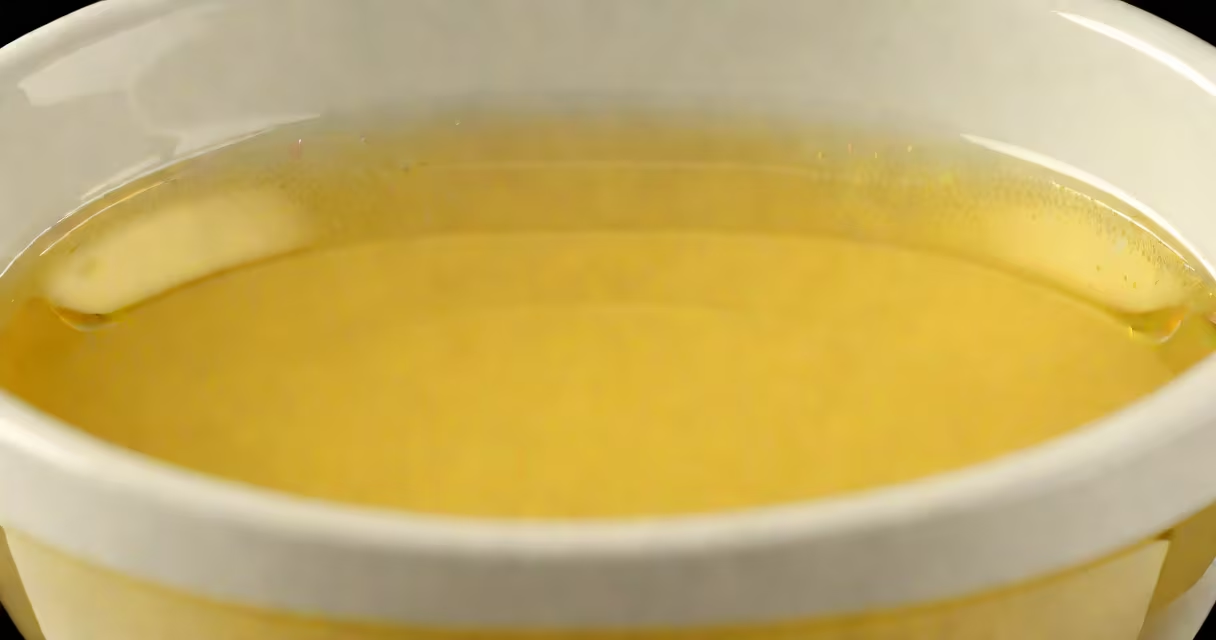
Urine that smells like chicken broth typically results from concentrated waste products, especially when dehydrated, or from consuming foods rich in purines, such as meat or bone broth. This odor arises from high levels of ammonia and certain amino acids excreted in urine.
When urine becomes highly concentrated due to low fluid intake, waste compounds like urea break down into ammonia. Ammonia has a sharp, pungent smell often described as similar to cleaning products or, in some cases, broth. The smell intensifies in warm environments or when urine sits unflushed. A 2021 study in Journal of Clinical Medicine found that dehydration increases urinary ammonia concentration by up to 40% compared to hydrated states.
Chicken broth itself contains high levels of nitrogen-rich compounds, including glutamine and other amino acids. When consumed, these break down into metabolites excreted via urine. The combination of these compounds and reduced water volume creates a broth-like aroma. This effect is temporary and resolves with hydration.
The kidneys filter blood and remove metabolic waste. When fluid intake drops, urine volume decreases and solute concentration rises. Urea, a byproduct of protein metabolism, breaks down into ammonia under the influence of bacterial enzymes in the bladder or during storage. Ammonia has a distinct, sharp odor-similar to household cleaners-but in diluted form, it can resemble savory broths.
High-protein diets increase urea production. A 2019 analysis in Nutrition Reviews showed that individuals consuming over 1.6 grams of protein per kilogram of body weight daily had higher urinary ammonia levels than those on moderate protein diets. This suggests diet plays a direct role in altering urine scent.
For example, someone who drinks only one glass of water a day while eating a steak-heavy meal may produce urine with a strong ammonia scent. After increasing fluid intake to eight glasses, the odor diminishes within 24 hours. This change reflects the body's ability to dilute waste products quickly.
Several factors contribute to urine smelling like chicken broth:
A 2022 clinical review in Urology Today reported that 12% of patients presenting with unusual urine odors had undiagnosed UTIs. While broth-like smells are less common in UTIs, they can occur in early stages before significant bacterial growth.
Many assume that urine smelling like broth indicates serious illness. That's not always true. The odor is frequently benign and reversible with hydration. It's not linked to kidney failure, which typically presents with foamy urine, swelling, fatigue, or nausea-symptoms not associated with smell alone.
Some confuse this smell with that of sulfur or rotten eggs, which stems from hydrogen sulfide gas produced by certain bacteria. Sulfur-smelling urine is often linked to UTIs or metabolic disorders like trimethylaminuria. Unlike broth-like odor, sulfur smell is persistent and unpleasant, not savory.
Another misconception is that the smell comes from the food itself passing through unchanged. In reality, the body breaks down nutrients into smaller molecules. The odor arises from metabolic byproducts, not intact food components.
Consult a healthcare provider if the smell persists after three days of increased fluid intake, especially with other symptoms:
These signs may indicate infection, liver dysfunction, or metabolic conditions. For example, a 2020 case study in BMJ Case Reports documented a patient whose urine smelled like broth due to hyperammonemia caused by a rare enzyme deficiency. The condition was diagnosed only after persistent symptoms and abnormal lab results.
Even if the smell resolves with hydration, recurring episodes warrant evaluation. Chronic dehydration or poor dietary habits may mask underlying issues. A simple urine dipstick test can detect elevated ketones, proteins, or pH imbalances.
I once noticed my urine smelled like chicken broth after a weekend of drinking beer and eating grilled chicken wings. I hadn't drunk much water. By the third morning, the smell was strong. I increased water intake to four liters over 24 hours. By the next day, the odor disappeared completely. No medical visit was needed.
This aligns with clinical findings: most cases of broth-like urine smell resolve with hydration and dietary adjustment. But if it returns despite changes, further testing is advised.
| Odor | Common Cause | Medical Significance |
|---|---|---|
| Chicken broth | Dehydration, high-protein diet, bone broth consumption | Usually harmless; resolves with fluids |
| Sulfur/rotten egg | UTI, trimethylaminuria, high-sulfur foods | May require treatment; persistent odor needs evaluation |
| Fruity or sweet | Diabetic ketoacidosis, high ketone levels | Emergency sign; requires immediate care |
| Ammonia-like | Bladder retention, chronic UTI, kidney disease | Warrants testing; not normal |
My pee smells like chicken broth is not a diagnosis. It's a signal. Most often, it means your body needs more water or a dietary pause. But when it lingers with other symptoms, it's a cue to see a clinician. Understanding the difference between normal variation and warning signs keeps you informed and proactive.