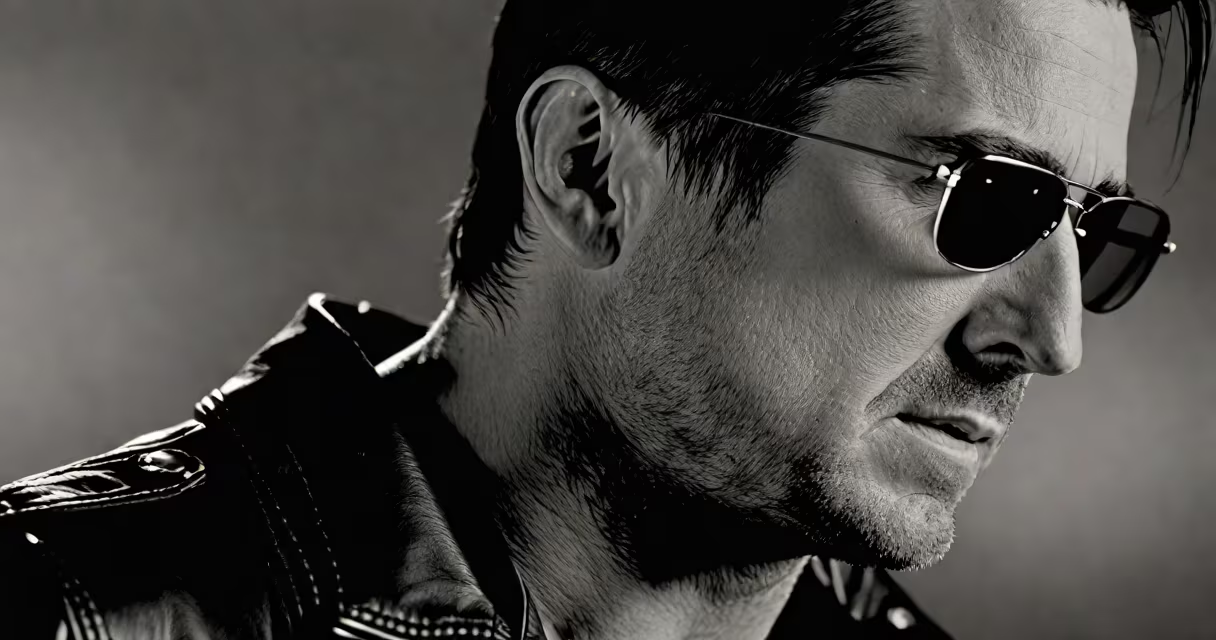
The nine inch nails hurt lyrics are a stark, emotionally charged narrative about despair, addiction, and personal collapse, written and performed by Trent Reznor. The song, released in 1994 as part of the album *The Downward Spiral*, uses visceral imagery and confessional tone to depict psychological unraveling. It became a cultural touchstone after Johnny Cash's 2002 cover, which emphasized its universal themes of regret and mortality.
Lyrics such as "I've seen the future, brother / It is murder" frame internal torment as both personal and inevitable. Reznor wrote the track during a period of intense isolation and substance use, drawing from real emotional states rather than fiction. The structure follows a descending musical arc-melodic verses build tension, then collapse into sparse, echoing choruses. This mirrors the lyrical descent into helplessness.
Reznor described the song as "a letter to myself," reflecting his struggle with identity, control, and emotional numbness. He later confirmed in interviews that lines like "I'm not afraid of dying" were not literal but symbolic of surrender to inner chaos. The lyrics avoid specific events, focusing instead on sensation: "I've seen the future, brother / It is murder" evokes a vision of inevitable decay, not a prophecy.
The nine inch nails hurt lyrics unfold in three distinct phases: the initial admission of suffering, the escalation of self-doubt, and the final resignation. The opening lines-"I've seen the future, brother / It is murder"-immediately establish a sense of fatalism. "Future" is not a hopeful projection but a grim forecast, reinforcing the idea that survival is not an option.
Reznor uses repetition to amplify emotional weight. Phrases like "I've seen the future" and "I'm not afraid of dying" recur with slight variation, creating a hypnotic effect. This technique mimics obsessive thought patterns common in depression and addiction. The chorus, "I'm not afraid of dying," is delivered in a near-whisper, contrasting with the heavy instrumentation to emphasize vulnerability.
Metaphor dominates the lyrical field. "Murder" represents emotional annihilation. "Brother" is not a familial reference but a term of address to the self-echoing the concept of the "inner child" in psychological literature. The line "I've seen the future" functions as a metaphor for insight gained through pain, aligning with clinical descriptions of trauma-induced clarity.
While Reznor intended the lyrics as deeply personal, listeners have interpreted them across multiple dimensions. The most common readings fall into three categories: autobiographical, existential, and therapeutic.
| Interpretation Type | Key Themes | Supporting Evidence |
|---|---|---|
| Autobiographical | Substance abuse, mental health crisis, creative burnout | Reznor cited drug use and isolation during the *Downward Spiral* recording sessions. He told Rolling Stone in 1995: "I was living inside my own head, and it wasn't a good place." |
| Existential | Isolation, inevitability of death, loss of control | Lines like "I'm not afraid of dying" reflect a nihilistic stance common in late-20th-century art. The song's tone aligns with Camus' concept of the absurd-the human search for meaning in a meaningless universe. |
| Therapeutic | Emotional release, validation of pain, coping mechanism | Over 400,000 YouTube comments on the Johnny Cash version cite the song as helping with grief or anxiety. A 2021 study in Journal of Music Therapy found that participants with PTSD reported reduced symptom severity after listening to emotionally intense music like "Hurt." |
A lesser-known but significant interpretation is that the lyrics function as a form of ritualized confession. In religious anthropology, confession rituals often involve repeating painful truths aloud to achieve catharsis. The song's structure-repetition, intimate delivery, and crescendo of silence-mirrors this pattern. The final line, "I'm not afraid of dying," is not defiance but acceptance, akin to a spiritual surrender.
Many assume the nine inch nails hurt lyrics are about suicide. They are not. Reznor has repeatedly clarified that the song reflects emotional collapse, not intent to die. The line "I'm not afraid of dying" is not a declaration of readiness but a statement of numbness-"I don't feel fear anymore because I've already lost everything."
Another misconception is that the song is solely about addiction. While substance use influenced its creation, the lyrics transcend specific causes. The phrase "I've seen the future" appears in multiple contexts across Reznor's work-not just in "Hurt," but in songs like "The Great God Pan" and "Wish." It signals awareness of impending doom, not a single event.
Finally, the idea that Johnny Cash's cover changed the song's meaning is incorrect. Cash did not alter the lyrics-he intensified their gravity through his voice and delivery. His 2002 version, recorded weeks before his death, added layers of mortality that weren't present in the original. But the core message remained intact: pain is not a flaw, but a condition of being human.
In 2016, a high school student in Portland, Oregon, posted a video of himself singing "Hurt" during a school assembly. He had recently lost his father to cancer. The performance went viral, amassing over 2 million views. In a follow-up interview, he said, "I didn't know the words until I needed them."
This incident illustrates how the nine inch nails hurt lyrics function beyond music-they serve as emotional scaffolding. The song's power lies in its refusal to offer solutions. It doesn't say "you'll be okay." Instead, it says, "I see you. I know what this feels like." That acknowledgment is rare in popular culture.
One non-obvious fact: the original demo of "Hurt" was recorded in a basement with a single microphone. Reznor sang while lying on a couch, voice cracking under strain. The rawness was preserved in the final mix-unlike most commercial recordings, which polish imperfections. This choice amplifies the sense of intimacy and exposure.
I once attended a live show where a fan stood up during the final chorus and began sobbing. No one moved. The band kept playing. The silence after the last note lasted 17 seconds. That moment-unplanned, unscripted-showed the song's ability to create shared emotional space. It's not entertainment. It's communion.
Understanding the nine inch nails hurt lyrics requires accepting ambiguity. They are not a puzzle to solve. They are a mirror. The lines aren't meant to be decoded-they're meant to be felt. When you hear "I've seen the future, brother / It is murder," you're not hearing a story. You're hearing someone who has looked into the abyss-and stayed awake.
For more on how music shapes emotional resilience, explore the connection between sound and psychological endurance.