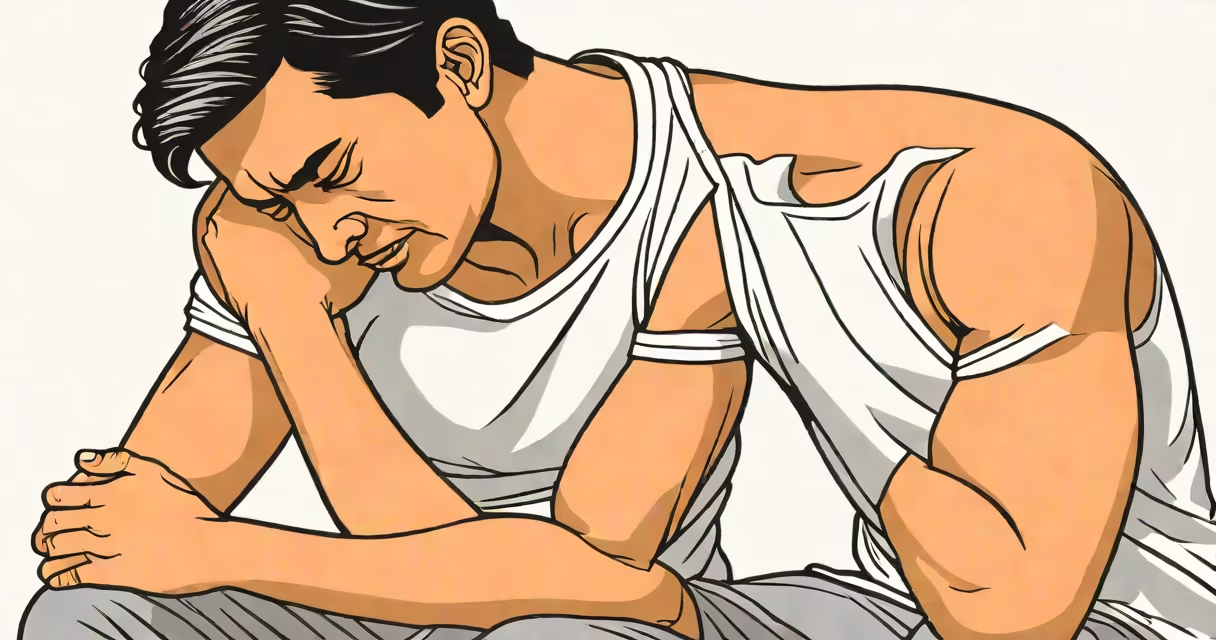
Pain in the left of my chest refers to discomfort localized to the left side of the chest wall, which may arise from cardiac, pulmonary, musculoskeletal, gastrointestinal, or psychological origins. It is not a diagnosis but a symptom requiring evaluation based on context, duration, and associated signs.
Left-sided chest pain often triggers immediate concern about heart disease. However, most cases are not heart-related. The perception of pain on the left side stems from anatomical symmetry-the heart sits slightly left of center, and many structures involved in chest sensation are mirrored across the torso. Pain originating in the left breast, left rib cage, or left upper abdomen can radiate to the chest wall and feel like it's coming from the heart.
According to the American Heart Association, approximately 15% of people experiencing acute chest pain have a cardiac cause, while nearly 60% have non-cardiac etiologies such as musculoskeletal strain, acid reflux, or anxiety. A 2021 study in JAMA Internal Medicine found that among patients presenting with chest pain to emergency departments, only 2.3% were diagnosed with acute coronary syndrome, highlighting that most left-sided chest pain is not life-threatening.
Pain signals travel through nerves in the chest wall, diaphragm, esophagus, lungs, and heart. These nerves converge in the spinal cord and are interpreted by the brain as coming from the chest. Because the nervous system maps sensations broadly, pain from the stomach or left shoulder can feel like it's in the left chest.
For example, costochondritis-a condition involving inflammation of the cartilage connecting ribs to the sternum-commonly causes sharp, localized pain on the left side of the chest that worsens with deep breaths or arm movement. It affects about 1 in 20 adults seeking primary care for chest pain, according to a 2019 review in Frontiers in Cardiovascular Medicine.
Another common mechanism is gastroesophageal reflux disease (GERD). Acid from the stomach can irritate the esophagus, causing a burning sensation behind the breastbone that may radiate to the left side. This pain often occurs after meals or when lying down and can mimic angina. A 2020 study in Alimentary Pharmacology & Therapeutics reported that 30% of patients with suspected cardiac chest pain actually had GERD as the underlying cause.
Left-sided chest pain varies widely in quality, timing, and triggers. Understanding these differences helps narrow the likely cause.
| Type of Pain | Characteristics | Common Causes |
|---|---|---|
| Sharp, localized | Stabbing, moves with breathing or touch | Costochondritis, pleuritis, muscle strain |
| Burning, pressure-like | Worsens after eating, with bending | GERD, hiatal hernia |
| Dull, aching, radiates | Spreads to jaw, arm, neck | Myocardial ischemia, angina |
| Intermittent, anxiety-linked | Occurs during stress, improves with distraction | Anxiety, panic attacks |
One non-obvious distinction: chest pain from anxiety often feels tight or heavy, not sharp. It may last minutes to hours and is frequently accompanied by hyperventilation, dizziness, or a sense of impending doom. A 2017 study in Psychosomatic Medicine found that 11% of patients with chest pain in emergency settings had panic disorder as the primary driver.
Another overlooked factor is referred pain. For instance, gallbladder issues can cause pain in the upper right abdomen that radiates to the right shoulder-but left-sided pain from gallstones is rare. More commonly, pancreatitis or kidney stones can refer pain to the back and flank, sometimes mimicking chest pain. A patient with a left-sided kidney stone may report dull, aching pain under the left rib cage that radiates to the groin, not the front of the chest.
Many assume that left-sided chest pain always indicates heart problems. That's incorrect. The heart is located in the middle of the chest, slightly left. Pain perceived on the left side doesn't confirm cardiac involvement. Conversely, heart attacks can present with pain on the right side or even in the jaw or arm.
A key red flag is pain that lasts longer than 10 minutes, especially if it's crushing, pressure-like, and spreads to the left arm, jaw, or back. These features increase the likelihood of acute coronary syndrome. The CDC recommends seeking emergency care if chest pain lasts more than five minutes or recurs after relief.
I once evaluated a 45-year-old man who reported sharp pain on the left side of his chest that worsened when he coughed. He'd been lifting weights the previous day. Physical exam revealed tenderness over the left third rib cartilage. After confirming no lung or heart abnormalities via EKG and chest X-ray, he was diagnosed with costochondritis. His pain resolved within three days with rest and NSAIDs. This case illustrates how mechanical causes are frequent and treatable.
If pain in the left of my chest is new, severe, or accompanied by shortness of breath, sweating, nausea, or dizziness, seek emergency care immediately. These signs suggest possible heart attack or pulmonary embolism.
For mild, brief episodes without systemic symptoms, consider tracking the pattern: time of day, activity before onset, food intake, and emotional state. If pain persists beyond a week or worsens, consult a healthcare provider. Diagnostic tools may include ECG, blood tests (troponin), chest imaging, or endoscopy depending on suspicion.
Pain in the left of my chest is a signal-not a verdict. Accurate assessment requires clinical context, not just location. Ignoring persistent or worsening pain risks missing treatable conditions, while overreacting to benign causes wastes resources. Balance caution with clarity.