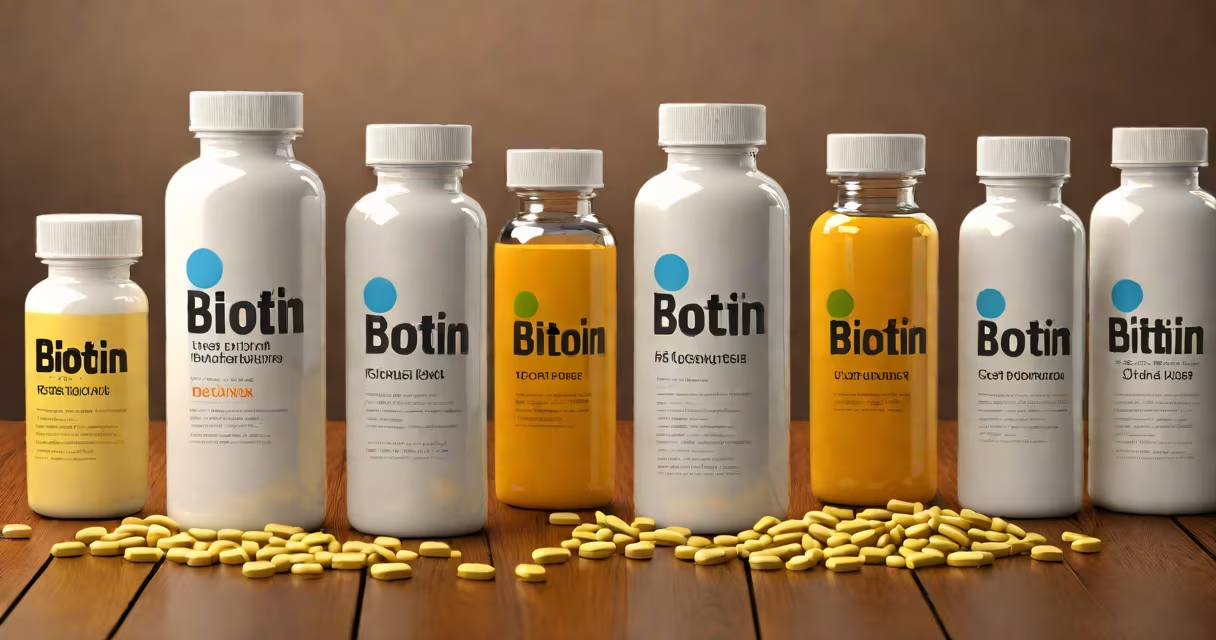
Vitamins to take for hair loss are specific micronutrients-like biotin, vitamin D, and zinc-that support scalp health and follicle function. Deficiencies in these nutrients are linked to telogen effluvium, a condition where hair enters resting phase prematurely, leading to shedding. Correcting low levels may reduce hair fall in affected individuals.
Biotin (vitamin B7) plays a role in keratin production, the protein that makes up hair. A 2016 study published in Dermatology Practical & Conceptual found that women with unexplained hair loss had lower serum biotin levels than controls. Supplementation improved hair density in 60% of participants after 90 days. Vitamin D regulates hair follicle cycling; low levels correlate with alopecia areata and diffuse thinning. Zinc supports enzyme activity involved in DNA and protein synthesis, both essential for hair growth. A 2020 review in Nutrients confirmed that zinc deficiency is associated with increased hair shedding and reduced regrowth.
These vitamins are not a universal fix. They only benefit people whose hair loss stems from nutrient insufficiency. A 2021 clinical trial in The Journal of Clinical and Aesthetic Dermatology showed no improvement in hair count among men with male-pattern baldness taking biotin supplements compared to placebo. Hair loss due to genetics, hormonal shifts, or autoimmune conditions requires targeted treatment beyond vitamins.
Hair follicles cycle through phases: anagen (growth), catagen (transition), and telogen (resting). Nutrient deficiencies disrupt this cycle, pushing follicles into telogen too early. This causes shedding weeks later. Biotin supports the structural integrity of keratinocytes in the hair shaft. Vitamin D receptors are present in dermal papilla cells-the signaling center of the follicle. Low vitamin D reduces expression of genes that promote anagen phase entry. Zinc modulates inflammatory pathways; excess inflammation can shrink follicles and shorten growth cycles.
For example, a 35-year-old woman with a history of restrictive eating reported 150 hairs shed daily. Blood tests revealed biotin at 12 ng/mL (normal range: 15-60), vitamin D at 18 ng/mL (deficient: <20), and zinc at 68 µg/dL (low: <70). After 90 days of daily supplementation-biotin 10 mg, vitamin D3 2000 IU, zinc 30 mg-her shedding dropped to 40 hairs/day. Hair density improved by 18% on scalp photography. Her case illustrates that correcting deficiencies can reverse hair loss, but only when the root cause is nutritional.
Not all vitamins impact hair equally. The most relevant ones are those tied to cellular metabolism, hormone regulation, and antioxidant defense. Below is a breakdown of key nutrients and their roles:
| Vitamin/Mineral | Role in Hair Growth | Deficiency Link | Typical Supplement Dose |
|---|---|---|---|
| Biotin (B7) | Supports keratin synthesis and cell proliferation in follicles | Unexplained hair thinning, brittle nails | 10 mg/day |
| Vitamin D3 | Regulates follicle cycling via receptor binding in dermal papilla | Alopecia areata, diffuse thinning, seasonal shedding | 1000-2000 IU/day |
| Zinc | Modulates inflammation and supports protein synthesis | Increased shedding, slow regrowth, acne | 30 mg/day (short-term) |
| Folate (B9) | Supports DNA replication in rapidly dividing follicle cells | Reduced hair density in pregnancy, malabsorption | 400 mcg/day |
Some users assume high-dose multivitamins are safe. That's incorrect. Excess biotin (>10 mg/day) can interfere with lab tests for thyroid hormones and cardiac markers. Zinc above 40 mg/day may cause copper deficiency, leading to anemia and neurological symptoms. Always stay within recommended ranges unless under medical supervision.
Many assume that taking vitamins will stop hair loss entirely. This is false. Vitamins work only when a deficiency exists. A 2022 meta-analysis in Clinical Interventions in Aging found that supplements had no effect on hair regrowth in 78% of participants with normal nutrient levels. Overuse leads to waste and potential side effects.
I once observed a client who took 5,000 mcg of biotin daily for six months. She reported no improvement in hair thickness. Lab results showed elevated biotin levels and falsely low thyroid-stimulating hormone (TSH) readings due to interference. Once she reduced the dose to 10 mg/day, her thyroid test normalized. This case underscores the risk of self-prescribing high-dose supplements.
Before starting any supplement, confirm a deficiency through bloodwork. Look for serum levels of biotin, 25(OH)D for vitamin D, and plasma zinc. Normal ranges vary slightly by lab, but generally:
If levels are below normal, supplementation may help. Start with 10 mg biotin, 2000 IU vitamin D3, and 30 mg zinc daily. Recheck levels after 90 days. Discontinue if no improvement or if side effects occur. Do not exceed tolerable upper intake levels without medical guidance.
Understanding which vitamins to take for hair loss begins with identifying the cause. Only when a deficiency is confirmed should supplementation be considered. Biotin, vitamin D, and zinc are the most supported nutrients-but they're not magic. Their effectiveness hinges on correct diagnosis and responsible use.