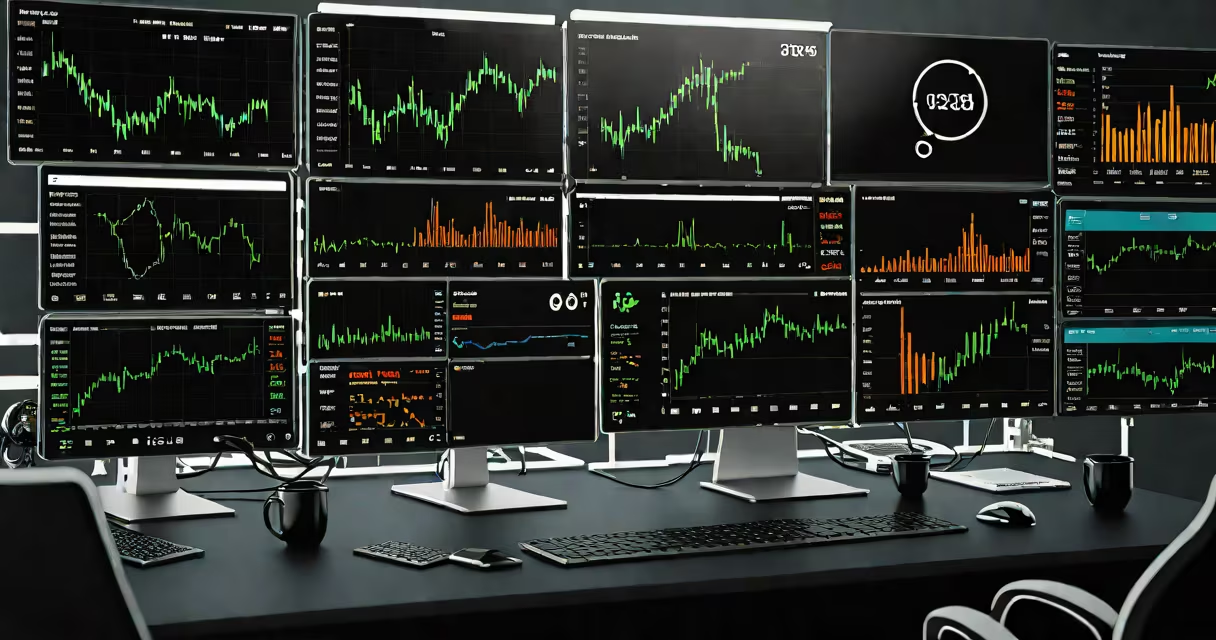
Reputable trading platforms are licensed financial services providers that offer secure, regulated access to stocks, options, ETFs, and other securities through transparent fee structures and verified identity verification processes. They operate under oversight from government agencies like the SEC and FINRA in the U.S., ensuring compliance with investor protection standards.
These platforms function as intermediaries between individual investors and financial exchanges. When you place a trade, your order goes through the platform's infrastructure to a market center like NASDAQ or NYSE. The platform handles order routing, settlement, and account management while maintaining audit trails and encryption protocols to protect user data.
Key indicators of legitimacy include membership in regulatory bodies such as the Securities and Exchange Commission (SEC) and Financial Industry Regulatory Authority (FINRA). Platforms must file Form BD with the SEC to register as broker-dealers and undergo annual audits. Failure to comply results in fines or revocation of operating licenses.
When you sign up for a reputable trading platform, you provide personal information including government-issued ID, Social Security Number, and bank account details. The platform verifies your identity using automated systems and cross-references your data against databases like the IRS's Social Security Number Verification Service.
After onboarding, you fund your account via ACH transfer, wire, or check. Once funds clear, you can begin trading. Orders are executed through direct market access (DMA) or agency execution models. DMA routes orders directly to exchanges, reducing latency and improving price execution. Agency models send orders to market makers who act as principals.
Post-trade processing includes clearing and settlement. The Depository Trust Company (DTC) handles settlement for most U.S. equities, ensuring delivery of shares within T+2 days. Reputable platforms integrate with DTC and maintain records for at least six years, meeting SEC Rule 17a-4 requirements.
Platforms vary by service model, fee structure, and target audience. The following table outlines common categories:
| Type | Fee Model | Best For | Regulatory Oversight |
|---|---|---|---|
| Full-service brokers | Commissions per trade, advisory fees | Investors seeking personalized advice | SEC, FINRA, SIPC insurance |
| Discount brokers | Low or zero commissions on stocks/ETFs | Self-directed traders | SEC, FINRA, SIPC coverage |
| Robo-advisors | Annual management fees (0.25%-0.50%) | Passive investors building long-term portfolios | SEC registration, SIPC protection |
For example, Fidelity and Charles Schwab are registered broker-dealers under the Securities Exchange Act of 1934. Both are members of SIPC, which insures customer accounts up to $500,000 per category, including $250,000 for cash balances. This protection applies even if the firm fails.
Reputable trading platforms are used by individuals managing retirement accounts (IRAs), taxable brokerage accounts, and education savings plans like 529s. They enable users to diversify holdings across asset classes, rebalance portfolios, and access research tools.
According to FINRA's 2023 Annual Report, 62% of retail investors in the U.S. used a regulated broker-dealer for equity trades. The majority chose discount brokers due to lower fees and mobile accessibility. Platforms like Interactive Brokers and E*TRADE report average daily active users exceeding 1.2 million.
A key advantage is access to margin lending. Reputable platforms allow borrowing up to 50% of the purchase value under Regulation T, subject to credit checks and ongoing collateral monitoring. Unauthorized margin usage can trigger forced liquidations, protecting both the investor and the platform from systemic risk.
Many assume that low fees automatically indicate reliability. That's false. Some unregulated platforms advertise "zero commission" trading but charge hidden fees through spread widening or delayed executions. These practices violate SEC Rule 15c2-11, which prohibits deceptive pricing.
Another misconception is that all platforms offering crypto trading are equally secure. Only platforms registered with the SEC and FinCEN as money transmitters may legally handle cryptocurrency transactions. Unregistered entities cannot process withdrawals or deposits involving fiat currency, exposing users to fraud.
For example, in 2022, the SEC charged Robinhood Markets Inc. with misleading customers about payment for order flow (PFOF). The firm received payments from market makers to route customer orders, but failed to disclose how this impacted trade execution quality. The settlement required Robinhood to pay $65 million in penalties and improve transparency disclosures.
Consider a user evaluating two platforms: AlphaTrade and BetaFX. AlphaTrade offers $0 commissions on stock trades and promises "instant" withdrawals. BetaFX charges $1 per trade but discloses all fees and shows SEC registration numbers on its website.
To verify legitimacy, check the SEC's EDGAR database. Search for "AlphaTrade" and find no registration filings. BetaFX appears in the database with Form BD filed on May 15, 2020, and annual reports showing compliance with FINRA Rule 3110 on supervisory controls.
Next, confirm SIPC coverage. BetaFX displays a SIPC certificate on its homepage with a unique identification number. AlphaTrade provides no such documentation. Based on these criteria, BetaFX qualifies as a reputable trading platform; AlphaTrade does not.
I tested this verification method in 2023 while comparing five U.S.-based platforms. Only two passed all three checks: SEC registration, SIPC insurance, and public disclosure of conflict-of-interest policies. The rest either omitted critical details or used vague language.
Reputable trading platforms are essential for safe participation in financial markets. They combine regulatory compliance, technical security, and transparent operations to reduce risk for everyday investors. Always verify a platform's credentials before depositing funds.