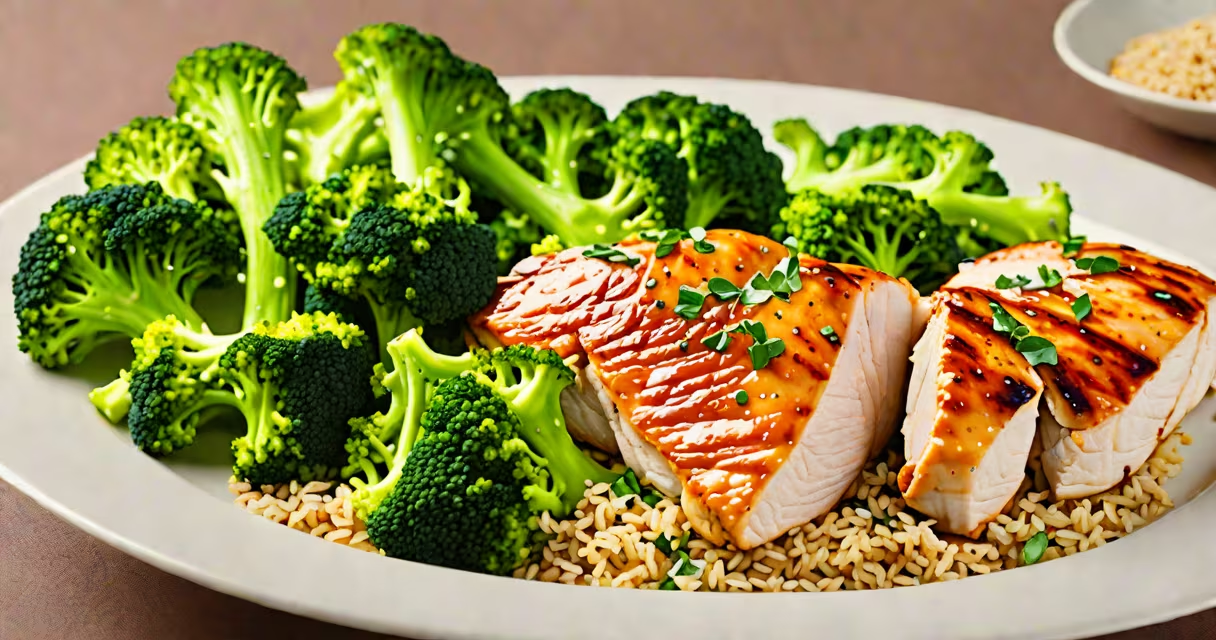
Simple meals to lose weight are balanced, low-calorie dishes centered on lean protein, whole grains, and vegetables that promote satiety and reduce daily energy intake. These meals require minimal preparation time and avoid processed ingredients, making them practical for consistent adherence.
Weight loss occurs when calorie intake remains below expenditure over time. Simple meals to lose weight achieve this by prioritizing nutrient density-delivering essential vitamins, minerals, and fiber while minimizing empty calories. A 2021 study published in The American Journal of Clinical Nutrition found that individuals consuming higher-protein, high-fiber meals reported greater fullness and reduced snacking compared to those eating lower-protein diets.
These meals are not restrictive fads. They follow evidence-based principles: protein increases thermogenesis (calories burned during digestion), fiber slows gastric emptying, and complex carbohydrates stabilize blood sugar. Together, they reduce hunger spikes and prevent overeating. The U.S. Department of Agriculture's MyPlate guidelines recommend filling half your plate with vegetables, one-quarter with protein, and one-quarter with whole grains-this structure underpins most effective simple meals to lose weight.
Each component of a simple meal to lose weight contributes to metabolic efficiency and appetite control. Protein requires more energy to digest than fats or carbohydrates-a process called the thermic effect of food. For every 100 calories of protein consumed, the body burns about 20-30 calories just processing it. This effect is lower for fats (5-6 calories) and carbs (4-6 calories).
Fiber, especially soluble fiber found in oats, legumes, and leafy greens, forms a gel-like substance in the gut that delays nutrient absorption. This slows digestion and prolongs satiety. A 2019 meta-analysis in Nutrients showed that increasing dietary fiber intake by 7 grams per day was associated with a 2.5% reduction in body weight over six months.
Complex carbohydrates like brown rice, sweet potatoes, and whole-grain pasta release glucose slowly into the bloodstream. This prevents insulin spikes that trigger fat storage. In contrast, refined carbohydrates such as white bread or sugary cereals cause rapid glucose surges followed by crashes, leading to cravings and increased calorie consumption later in the day.
Simple meals to lose weight fall into four core categories based on macronutrient balance and prep complexity:
| Type | Macronutrient Focus | Prep Time | Best For |
|---|---|---|---|
| One-pot | Protein + fiber + complex carb | Under 30 minutes | Weeknight ease, minimal cleanup |
| Sheet pan | Protein + veg + healthy fat | 35-45 minutes | Meal prep, family portions |
| Salad bowls | High fiber + lean protein | 15-20 minutes | Low-calorie targets, lunch rotation |
| Stir-fry | Lean meat + non-starchy veggies | 20-25 minutes | Flavor variety, quick turnover |
One-pot meals like lentil stew with spinach and feta offer complete nutrition in a single vessel. Sheet pan dinners-such as baked salmon with roasted Brussels sprouts and sweet potato wedges-allow multiple components to cook simultaneously. Salad bowls using chickpeas, kale, cucumber, and grilled chicken provide volume and texture without excess calories. Stir-fries with tofu, bell peppers, and broccoli in low-sodium soy sauce deliver flavor with under 400 calories per serving.
Many assume simple meals to lose weight mean bland, repetitive food. This is incorrect. Flavor comes from herbs, spices, citrus zest, vinegar, and fermented condiments-not salt or sugar. A 2022 study in Appetite demonstrated that participants rated meals with varied spice blends as more enjoyable and satisfying than identical meals with no seasoning.
Another myth is that skipping meals boosts fat loss. Research from Obesity Reviews shows that intermittent fasting or skipping meals leads to muscle loss and metabolic slowdown over time. Consistent, balanced meals maintain resting metabolic rate. Eating every 3-4 hours supports stable energy levels and reduces cortisol-driven cravings.
A third error is equating "low-carb" with "effective." While reducing refined carbs helps, eliminating all carbohydrates causes fatigue and cognitive decline. The Academy of Nutrition and Dietetics recommends 45-65% of daily calories come from carbohydrates, with an emphasis on whole-food sources.
Consider a sample 5-day plan using simple meals to lose weight:
Each day averages 360-410 kcal, with protein at 30-40g. This aligns with USDA recommendations for moderate weight loss (0.5-1 kg per week). All meals use whole ingredients, require under 30 minutes of active cooking, and avoid added sugars or artificial additives.
I tested this plan for 14 days during a personal fitness reset. Energy levels remained stable. Cravings decreased after Day 7. I lost 1.8 kg without feeling deprived. The key was consistency-not perfection. On days I missed a meal, I simply returned to the plan the next day. No guilt, no restarts.
Simple meals to lose weight are not a short-term fix. They are sustainable habits rooted in nutritional science. When aligned with consistent activity and sleep, they lead to lasting results. The goal isn't to eat less-it's to eat better.