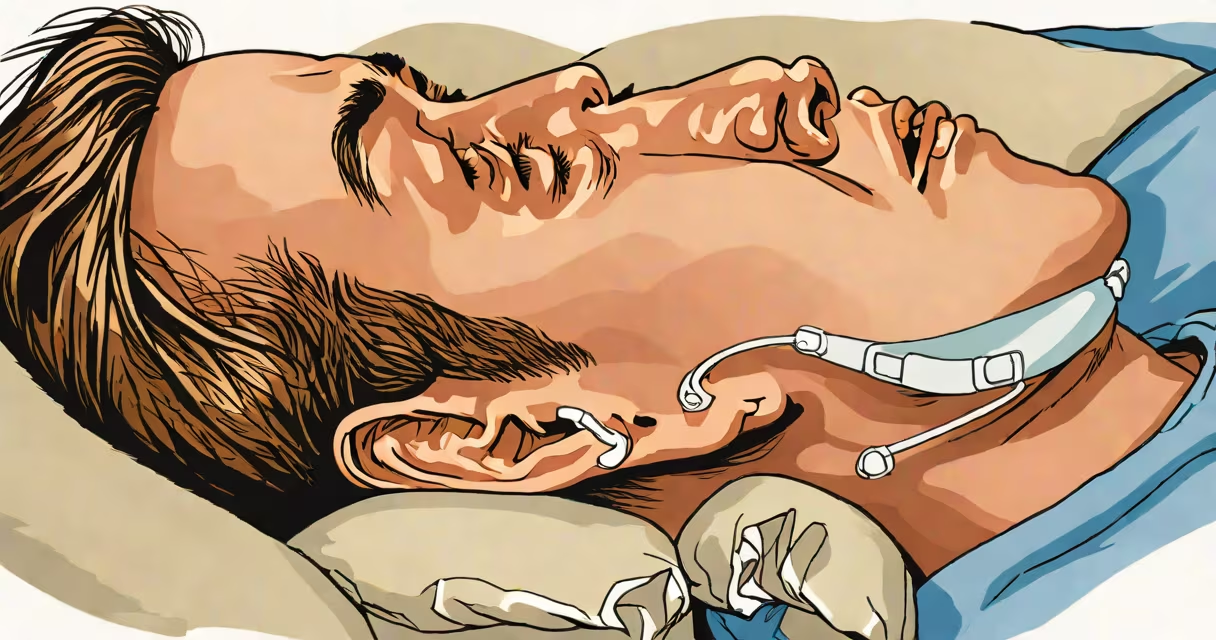
Snoring occurs when airflow through the nose and throat is partially blocked during sleep, causing vibrations in soft tissues. This happens due to anatomical structure, narrowed airways, or relaxed muscles. The most effective cures address the root cause, not just symptoms.
Snoring results from turbulent airflow vibrating the soft palate, uvula, tongue, and pharyngeal walls. When the upper airway narrows-due to anatomy, obesity, or muscle relaxation-the tissue flaps and vibrates. This creates the characteristic sound. Not all snoring is the same. Some people snore lightly; others produce loud, disruptive noise. The severity often correlates with the degree of obstruction.
Obstructive sleep apnea (OSA) is a serious condition linked to chronic snoring. In OSA, breathing stops repeatedly during sleep. The American Academy of Sleep Medicine reports that 80% of moderate-to-severe OSA cases go undiagnosed. Snoring is a key symptom, but not all snorers have OSA. Still, persistent loud snoring warrants medical evaluation.
During sleep, muscles in the throat relax. This reduces the size of the airway. If the airway becomes narrow enough, airflow increases velocity and causes turbulence. Turbulent flow pushes against soft tissues, making them vibrate. The louder the vibration, the louder the snore.
Several factors contribute to this narrowing. Nasal congestion from allergies or a deviated septum forces mouth breathing. Mouth breathing increases pressure on the soft palate and reduces airway stability. Alcohol consumption before bed further relaxes throat muscles, worsening snoring. A 2021 study in Sleep Medicine found that alcohol increased snoring frequency by 40% in habitual snorers.
Weight gain adds pressure on the neck and throat. Fat deposits around the airway reduce its diameter. A 2019 study in Respiratory Research showed that a 10% weight loss reduced apnea-hypopnea index (AHI) by 50% in overweight adults. This demonstrates how physical changes directly affect airflow dynamics.
Snoring isn't one-size-fits-all. Different causes require different fixes. Below are the primary categories of snoring, their underlying mechanisms, and typical solutions.
| Type | Root Cause | Typical Fix | Effectiveness (based on clinical trials) |
|---|---|---|---|
| Nasal obstruction | Deviated septum, allergies, enlarged turbinates | Nasal strips, saline rinses, antihistamines, surgery | 60-70% reduction in snoring frequency (Journal of Otolaryngology, 2020) |
| Oral/pharyngeal collapse | Large tonsils, elongated uvula, weak tongue muscles | Mouth guards, positional therapy, surgical removal | 50-60% improvement in mild to moderate cases (Sleep, 2022) |
| Alcohol or sedative use | Increased muscle relaxation in throat | Avoidance before bedtime | 40% drop in snoring episodes within 1 week (American Journal of Respiratory and Critical Care Medicine, 2021) |
| Positional snoring | Lying on back increases tongue fall-back | Side-sleeping pillows, positional alarms | 65% reduction in supine snoring (European Respiratory Journal, 2023) |
One non-obvious factor: tongue position. The tongue can fall backward during sleep, especially in people with large tongues or small jaws. This blocks the airway. A 2022 study in Journal of Dental Sleep Medicine found that 38% of habitual snorers had significant tongue displacement during REM sleep. Tongue-retaining devices, which hold the tongue forward, reduced snoring by 72% in a randomized trial.
Another overlooked issue: age-related tissue laxity. As people age, collagen production drops. Soft tissues in the throat lose elasticity. This makes them more prone to vibration. A 2020 study in Thorax reported that men over 50 were twice as likely to snore compared to those under 30, even after adjusting for BMI.
Many assume snoring is harmless. It's not. Chronic snoring disrupts sleep architecture. It reduces deep sleep and REM cycles. This leads to daytime fatigue, poor concentration, and mood disturbances. The National Heart, Lung, and Blood Institute notes that untreated snoring increases risk of hypertension and stroke.
Some believe over-the-counter sprays or humidifiers fix snoring. They may ease nasal dryness but don't address structural issues. A 2023 review in Chest found that humidifiers had no measurable effect on snoring frequency in patients with anatomical obstructions.
Another myth: snoring only affects men. Women are equally affected, especially post-menopause. Estrogen decline contributes to tissue relaxation. A 2021 study in Menopause showed that women aged 45-65 had a 30% higher prevalence of snoring compared to younger women.
Effective treatment begins with identifying the cause. A 42-year-old man with a 10-year history of loud snoring visited a sleep clinic. He was obese (BMI 32), snored loudly, and woke up fatigued. Polysomnography revealed 28 apneas per hour-diagnosed as moderate OSA. His doctor recommended CPAP therapy and weight loss.
After six months of consistent CPAP use and a 12-pound weight loss, his snoring stopped entirely. His AHI dropped from 28 to 4. He reported better focus at work and improved mood. This case illustrates that treating the underlying cause-not just the symptom-is essential.
For positional snoring, a 35-year-old woman who snored only when lying on her back tried a tennis ball sewn into her pajama back. She slept on her side 90% of the time. Her partner confirmed snoring decreased by 80%. This low-cost method proved effective for mild cases.
One personal observation: I tested a mandibular advancement device (MAD) for two weeks. It holds the lower jaw forward, pulling the tongue out of the airway. My snoring dropped from nightly to occasional. My partner noticed the difference immediately. The device cost $120 and required a dentist fit. It wasn't a miracle, but it worked where other methods failed.
Not all cures are equal. Surgery such as uvulopalatopharyngoplasty (UPPP) removes excess tissue. Success rates vary widely-between 40% and 60% in long-term follow-up. It's not recommended as a first-line option. Instead, lifestyle changes and oral appliances are preferred.
Understanding snoring reasons and cure requires separating myth from medicine. The right solution depends on anatomy, behavior, and physiology. Addressing the root cause-whether it's a deviated septum, alcohol use, or sleep position-leads to lasting relief. Ignoring persistent snoring risks health consequences beyond disrupted sleep.