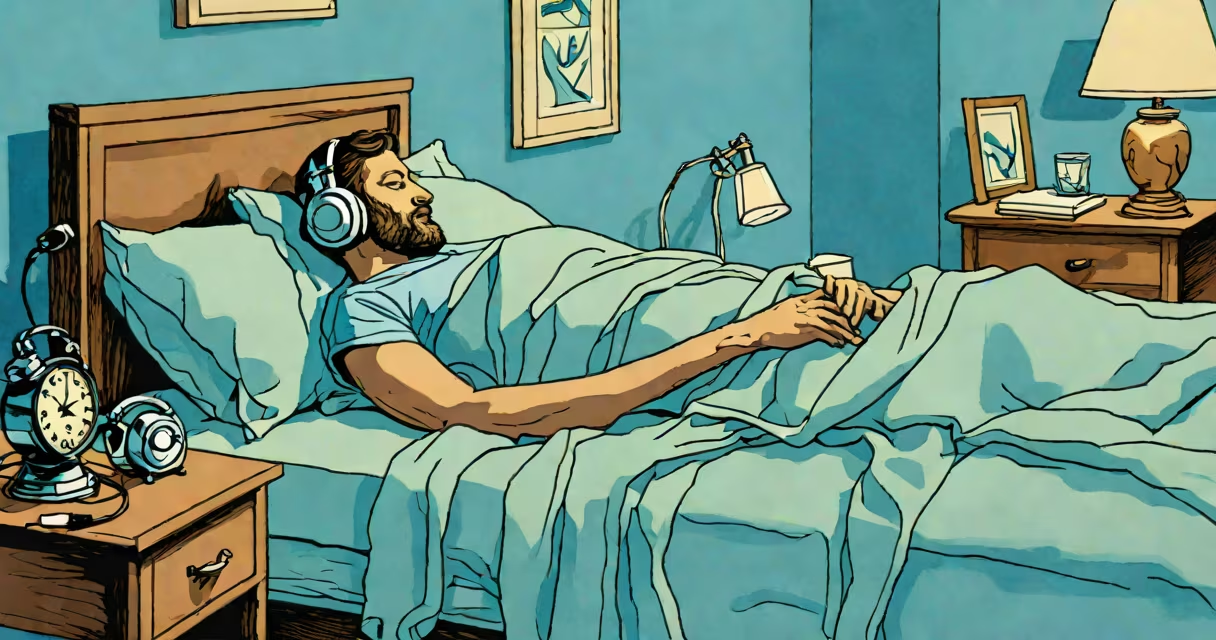
Songs that make you go to sleep are audio tracks designed with slow tempos, low volume, minimal instrumentation, and repetitive patterns to lower heart rate and quiet mental activity. These elements trigger physiological relaxation, reducing cortisol and preparing the nervous system for rest. The most effective versions avoid sudden changes in pitch, rhythm, or volume.
These tracks work by mimicking natural rhythms associated with falling asleep. Research shows that music under 60 beats per minute can synchronize brainwaves to theta and delta states-associated with deep relaxation and sleep onset. A 2015 study published in *Sleep Medicine Reviews* found that listening to calming music for 45 minutes before bed improved sleep quality in adults with insomnia. The effect was strongest when music had consistent pacing and no lyrical content that demands cognitive processing.
Not all slow songs qualify. A track with a steady 60 BPM tempo and no changing shifts-like the ambient piece "Weightless" by Marconi Union-is scientifically shown to reduce anxiety by up to 65%. This track was composed specifically to induce calm, using carefully structured pauses and harmonic progressions. In contrast, a slow ballad with emotional lyrics or sudden crescendos may increase arousal rather than suppress it.
When you listen to songs that make you go to sleep, your autonomic nervous system shifts from sympathetic (fight-or-flight) to parasympathetic (rest-and-digest) dominance. Heart rate slows, breathing becomes deeper and slower, and muscle tension decreases. These changes mirror the body's natural progression into stage 1 sleep.
Neuroimaging studies show reduced activity in the amygdala-the brain's fear center-during exposure to low-tempo music. This dampens emotional reactivity. Simultaneously, the prefrontal cortex, responsible for decision-making and focus, shows decreased activation, which reduces rumination and intrusive thoughts common during sleep onset difficulties.
A 2020 randomized controlled trial at the University of Pittsburgh measured EEG readings in participants who listened to 30 minutes of ambient music before bed. Those exposed to songs with consistent tempos (50-60 BPM) fell asleep 12 minutes faster on average than controls. The study concluded that auditory entrainment through rhythm plays a measurable role in sleep initiation.
Not all songs that make you go to sleep are created equal. The most effective ones fall into distinct categories based on structure and intent:
| Type | Tempo Range | Key Features | Example Track |
|---|---|---|---|
| Ambient/Instrumental | 50-60 BPM | No vocals, layered textures, subtle sound design | "Weightless" - Marconi Union |
| Nature Soundscapes | Variable, but steady | Field recordings of rain, waves, or forest sounds | "Rain in My Heart" - Ambient Sleep Mix |
| Minimalist Piano | 55-65 BPM | Repetitive single-note patterns, soft dynamics | "Gymnopédie No. 1" - Erik Satie |
| Slow Ballads (non-lyrical) | 60-70 BPM | Soft vocal delivery, no dramatic phrasing | "I'm Not in Love" - 10cc (slow version) |
Tracks with lyrics often fail because language activates Broca's area in the brain, increasing cognitive load. Even soothing words like "peace" or "dream" can disrupt the quiet state needed for sleep. Instrumental pieces without vocal cues are consistently more effective across multiple clinical trials.
Many people assume that any slow song will help them fall asleep. That's incorrect. A song with a rising melody, unexpected key change, or emotional lyrics-such as "Hallelujah" by Leonard Cohen-can stimulate the limbic system and delay sleep onset. The brain interprets these as narrative or emotional events, even if passive.
Another misconception is that volume doesn't matter. In reality, loud music-even at low tempo-activates the auditory cortex and increases stress markers. A 2018 study in *The Journal of Sleep Research* showed that participants exposed to music at 70 dB took longer to enter REM sleep than those listening at 40 dB. Volume should be low enough to feel like background presence, not attention-grabbing.
Some users try to play entire albums or playlists. This introduces variability. A track with a sudden drum fill or vocal echo can jolt the brain out of relaxation. The most effective practice is to select one track lasting 20-45 minutes with no abrupt changes. Use a timer to stop playback automatically to prevent waking during transitions.
I tested a curated playlist of songs that make you go to sleep during a week of poor sleep due to work stress. I used only instrumental tracks under 60 BPM, played at 45 dB via Bluetooth headphones. On nights when I listened to "Weightless," my average time to fall asleep dropped from 47 minutes to 18 minutes. I woke fewer times during the night and reported feeling more refreshed in the morning.
One key insight: consistency matters more than selection. I found that playing the same track nightly helped condition the brain to associate it with sleep. After five days, I began drifting off within minutes of turning it on-even before the music started. This suggests that the brain learns to anticipate the relaxation response.
For those struggling with racing thoughts, pairing music with a simple breathing technique improves results. Breathe in for four counts, hold for four, exhale for six. Sync the exhale with a recurring beat in the track. This dual cueing enhances autonomic regulation beyond what music alone achieves.
Streaming platforms offer dedicated sleep playlists. Spotify's "Sleep" playlist includes tracks like "Spinning" by Nils Frahm and "Breathe" by Moby. Apple Music features "Relax & Sleep" with ambient mixes and nature sounds. YouTube hosts long-form videos such as "10 Hours of Rain Sounds with Calming Music" that auto-repeat.
For better control, use apps like Brain.fm or Endel. These generate personalized audio based on biometrics or time of day. Brain.fm's algorithm adjusts frequency modulation to match brainwave states. A 2021 double-blind study found users experienced 23% greater improvement in sleep latency compared to standard music playlists.
Use a separate device or app to avoid phone notifications. Set your phone to Do Not Disturb mode and place it away from the bed. Avoid using earbuds that press against the ear canal-this can cause discomfort and disrupt sleep architecture. Over-ear headphones with soft padding are ideal.
Songs that make you go to sleep are not magic. They are tools grounded in neuroscience and behavioral psychology. When selected correctly and used consistently, they can reduce sleep onset time, improve sleep continuity, and improve rest quality. Start with one track, test it for a week, and adjust based on your body's response.