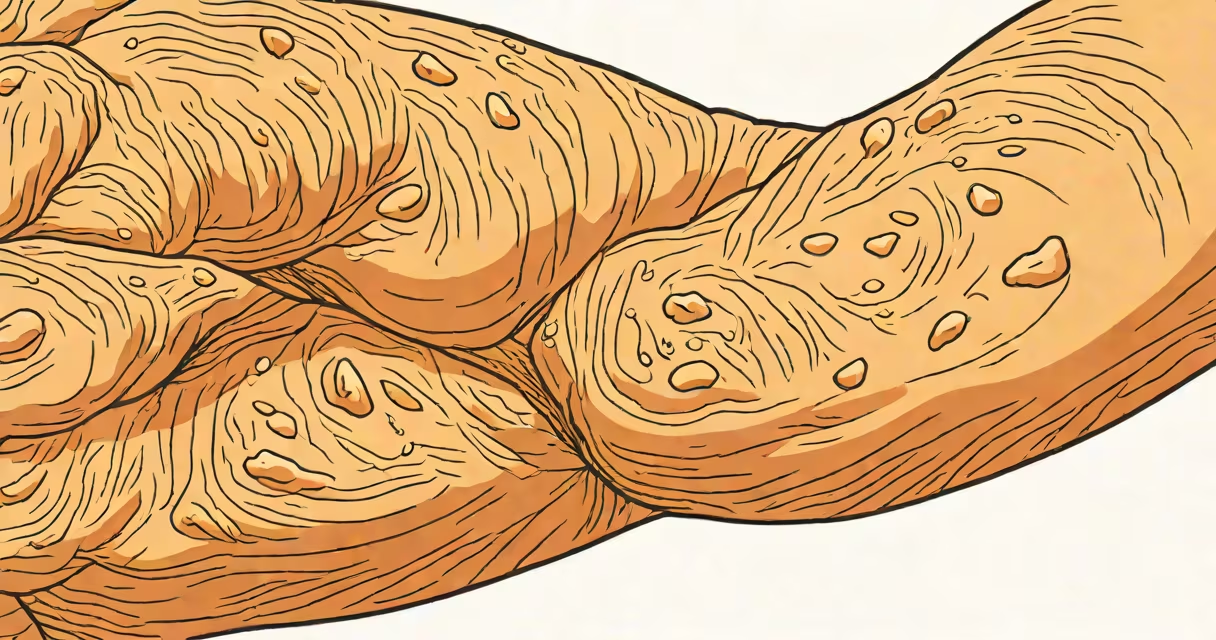
symptoms of scabies are caused by an infestation of the human itch mite (Sarcoptes scabiei), which burrows under the skin and lays eggs. The most common signs are intense itching, especially at night, and a red, bumpy rash that often appears between fingers, on wrists, elbows, genitals, and around the waist.
The mites are tiny-about 0.4 millimeters long-and invisible to the naked eye. They penetrate the outer layer of skin to lay eggs, triggering an allergic reaction that leads to symptoms. The incubation period for symptoms is typically 2 to 6 weeks after initial exposure, though people who've had scabies before may develop symptoms within 1 to 4 days due to sensitized immune responses.
Scabies spreads through prolonged skin-to-skin contact, such as holding hands, sleeping together, or sexual activity. It can also spread via shared clothing, bedding, or towels, but only if the mites remain alive-typically less than 72 hours off a human host. Outbreaks are common in crowded settings like nursing homes, prisons, and childcare centers.
After a female mite tunnels into the skin, she lays 2 to 3 eggs per day over a 2- to 4-week lifespan. The eggs hatch in 3 to 4 days, releasing larvae that mature into adults. This cycle causes inflammation and irritation. The immune system responds by releasing histamines, leading to itching and rash formation.
Itching usually worsens at night because body temperature rises during sleep, increasing blood flow and mite activity. Scratching can break the skin, leading to secondary bacterial infections like impetigo, which appear as honey-colored crusts or pus-filled blisters.
A key diagnostic clue is the presence of burrows-thin, wavy lines about 5 to 10 mm long, often seen in areas with thin skin. These are most common between fingers, on the inner wrists, and around the nipples or genital area. Burrows may be difficult to see in darker skin tones, making diagnosis harder without clinical context.
There are several forms of scabies, each with distinct symptom profiles:
| Type | Key Symptoms | Common Settings |
|---|---|---|
| Classical scabies | Intense itching, red papules, burrows in finger webs and wrists | General population, household contacts |
| Norwegian (crusted) scabies | Thick, scaly skin with thousands of mites; minimal itching despite heavy infestation | Immunocompromised individuals, elderly, those with neurological conditions |
| Atypical scabies | Rash resembling eczema or psoriasis; may affect face, scalp, or palms | Children, immunosuppressed patients |
Crusted scabies is highly contagious due to the high mite burden-up to millions per person. Unlike classical cases, itching may be absent, delaying diagnosis. This form requires isolation and aggressive treatment to prevent outbreaks.
Scabies prefers warm, moist areas with thin skin. Common sites include:
These locations are favored because they offer easy access for mites and have fewer natural defenses. The feet and face are less commonly affected unless the infestation is widespread or crusted.
One non-obvious fact: scabies can persist in bedding or clothing for up to 3 days, but it cannot survive longer than 72 hours away from human skin. This limits transmission through objects compared to direct contact. However, sharing a blanket or towel with an infected person increases risk-especially if the item was recently used.
symptoms of scabies are frequently mistaken for other skin conditions. The rash resembles eczema, contact dermatitis, or insect bites. Itching without visible rash may lead to a misdiagnosis of anxiety or stress-related skin issues.
Doctors sometimes confuse scabies with fungal infections like tinea cruris (jock itch) or pityriasis rosea. A key difference is that scabies burrows are linear and often follow skin folds, while fungal rashes tend to be circular or ring-shaped.
Another error: assuming that absence of visible burrows rules out scabies. Burrows are not always visible, especially in dark-skinned individuals or in early stages. Diagnosis relies on clinical history, pattern of rash, and sometimes skin scraping under a microscope to detect mites or eggs.
In 2021, a study published in the Journal of the American Academy of Dermatology documented a case of scabies in a college dormitory. Five students reported severe nighttime itching and a rash on hands and wrists. Initial diagnoses included allergic reactions and athlete's foot. After skin scrapings revealed mite eggs, all five were treated with permethrin cream and their shared living space was sanitized.
Two weeks later, all symptoms resolved. The outbreak was traced to one student who had returned from a trip to a tropical region where scabies is endemic. This illustrates how easily scabies spreads in close quarters and why prompt recognition is critical.
I once observed a patient with Norwegian scabies in a long-term care facility. The individual had thickened, scaly skin on the hands and feet with no reported itching. Staff assumed it was psoriasis. Only after a skin biopsy confirmed mites did treatment begin. The delay led to a secondary outbreak among residents.
If you notice persistent itching, especially at night, or a rash that doesn't improve after a few days of over-the-counter treatments, consult a healthcare provider. Self-diagnosis is unreliable. A doctor can confirm scabies through visual inspection, skin scraping, or dermoscopy.
Treatment involves prescription medications like permethrin 5% cream, ivermectin tablets, or crotamiton lotion. All household members and close contacts must be treated simultaneously-even if asymptomatic-to prevent reinfection.
Prevention includes avoiding prolonged skin contact with known carriers, washing clothes and bedding in hot water (at least 130°F), and drying them on high heat. Items that can't be washed should be sealed in plastic bags for 72 hours to kill mites.