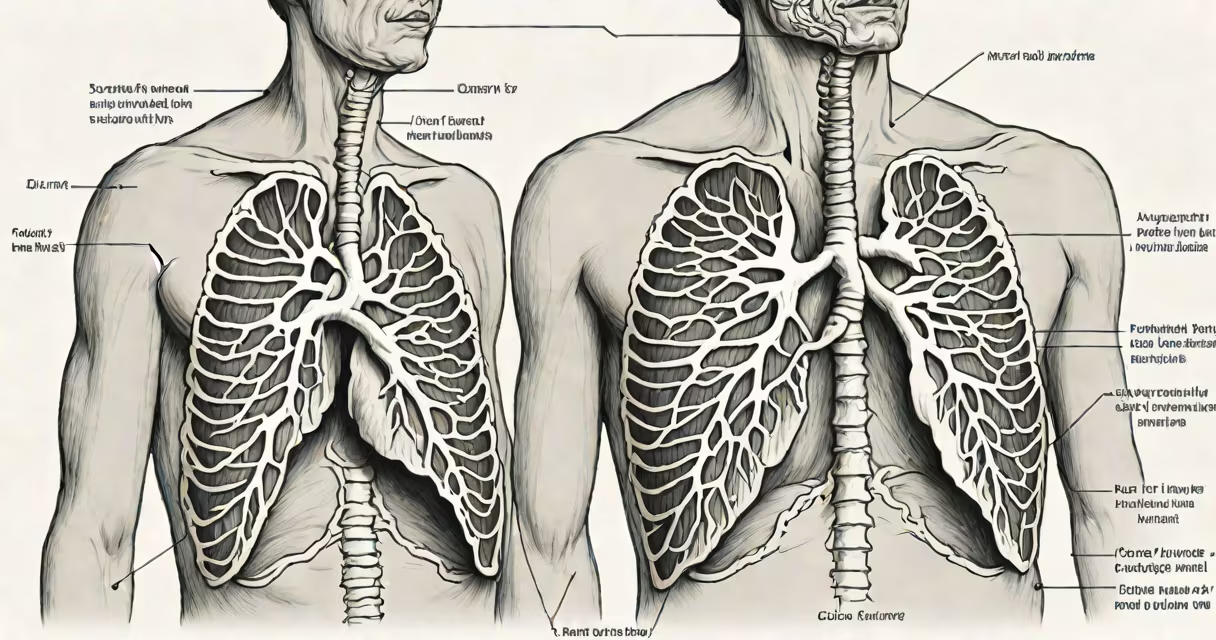
Tuberculosis (TB) symptoms vary by stage-active TB causes cough lasting three weeks or longer, fever, night sweats, and unexplained weight loss. Latent TB shows no symptoms but can reactivate later.
Active TB results from live Mycobacterium tuberculosis bacteria multiplying in the lungs or other tissues. The most common sign is a persistent cough that lasts beyond three weeks. This cough often produces sputum and may contain blood. Without treatment, the infection spreads through airborne droplets when an infected person coughs or speaks.
Other key indicators include low-grade fever, especially in the evening, drenching night sweats, fatigue, and unintentional weight loss. A 2022 study published in The Lancet Infectious Diseases found that 68% of pulmonary TB patients reported weight loss over 10% of body mass within six months before diagnosis. These symptoms frequently mimic those of pneumonia or chronic bronchitis, leading to delayed care in early stages.
Not all TB infections cause symptoms. There are two forms: latent and active. Latent TB means the bacteria are present but inactive. People with latent TB feel well and cannot spread the disease. Active TB occurs when bacteria multiply and cause illness. It's contagious and requires prompt medical intervention.
| Type | Symptoms | Contagious? | Diagnosis Method |
|---|---|---|---|
| Latent TB | None | No | Positive skin test or blood test (IGRA) |
| Active Pulmonary TB | Cough >3 weeks, fever, night sweats, hemoptysis, weight loss | Yes | Chest X-ray, sputum smear, culture, PCR testing |
| Extrapulmonary TB | Painful lymph nodes, spinal pain, abdominal swelling, meningitis symptoms | Varies by site | Biopsy, imaging, fluid analysis |
Extrapulmonary TB affects organs outside the lungs-such as the brain, kidneys, or spine-and presents with localized symptoms. For example, TB meningitis may cause severe headache, confusion, and stiff neck. Spinal TB (Pott's disease) leads to back pain and neurological deficits. These forms are harder to diagnose because they don't show classic respiratory signs.
A 2021 report from the World Health Organization (WHO) noted that extrapulmonary TB accounts for about 15% of all TB cases globally. In regions with high HIV prevalence, such as sub-Saharan Africa, this percentage rises to nearly 30%. The absence of cough in these cases increases diagnostic delay.
Many assume TB only causes cough and fever. But symptoms depend heavily on the affected organ system. For instance, TB lymphadenitis typically presents as painless swelling in the neck, often mistaken for a viral infection or cancer. A patient in rural Kenya was misdiagnosed with a thyroid nodule for eight months before a biopsy confirmed TB lymphadenitis.
Another error is assuming that healthy individuals cannot have TB. The Centers for Disease Control and Prevention (CDC) reports that 13 million people in the U.S. carry latent TB. Most never develop symptoms, but 5-10% will progress to active disease over their lifetime-especially if immunosuppressed.
Some patients with mild symptoms delay seeking care due to stigma or fear of isolation. In India, a 2020 survey found that 41% of diagnosed TB patients waited over four weeks after symptom onset before visiting a clinic. Delayed treatment increases transmission risk and reduces recovery chances.
Any cough lasting longer than three weeks, especially with fever or weight loss, should trigger evaluation. The CDC recommends testing for TB in anyone with these signs, particularly if they've lived in or traveled to high-burden countries like India, South Africa, or the Philippines.
For example, a 34-year-old teacher in Chicago developed a dry cough and lost 12 pounds over two months. Initial tests showed no signs of pneumonia. After a positive IGRA blood test and abnormal chest X-ray, sputum cultures confirmed active pulmonary TB. Treatment began within seven days of referral.
Early diagnosis drastically improves outcomes. According to WHO, completing treatment reduces mortality by 90% compared to untreated cases. Failure to treat increases the risk of drug-resistant TB, which requires longer therapy and higher costs.
I once observed a community health worker in Nairobi screen 120 individuals during a mobile TB clinic. Only 17% had cough as their primary symptom. Many presented with fatigue, joint pain, or swollen glands. This reinforced that symptom presentation varies widely and requires broad clinical suspicion.
If you or someone you know experiences prolonged cough, fever, night sweats, or unexplained weight loss, seek medical evaluation immediately. Testing begins with a tuberculin skin test (TST) or interferon-gamma release assay (IGRA). If positive, further imaging and lab work confirm active disease.
Untreated active TB can lead to irreversible lung damage, spread to other organs, or death. Treatment typically lasts six months with multiple antibiotics. Adherence is critical-missing doses increases resistance risk.
Recognizing tb what are the symptoms early saves lives. Awareness, timely testing, and consistent treatment remain the foundation of global TB control.