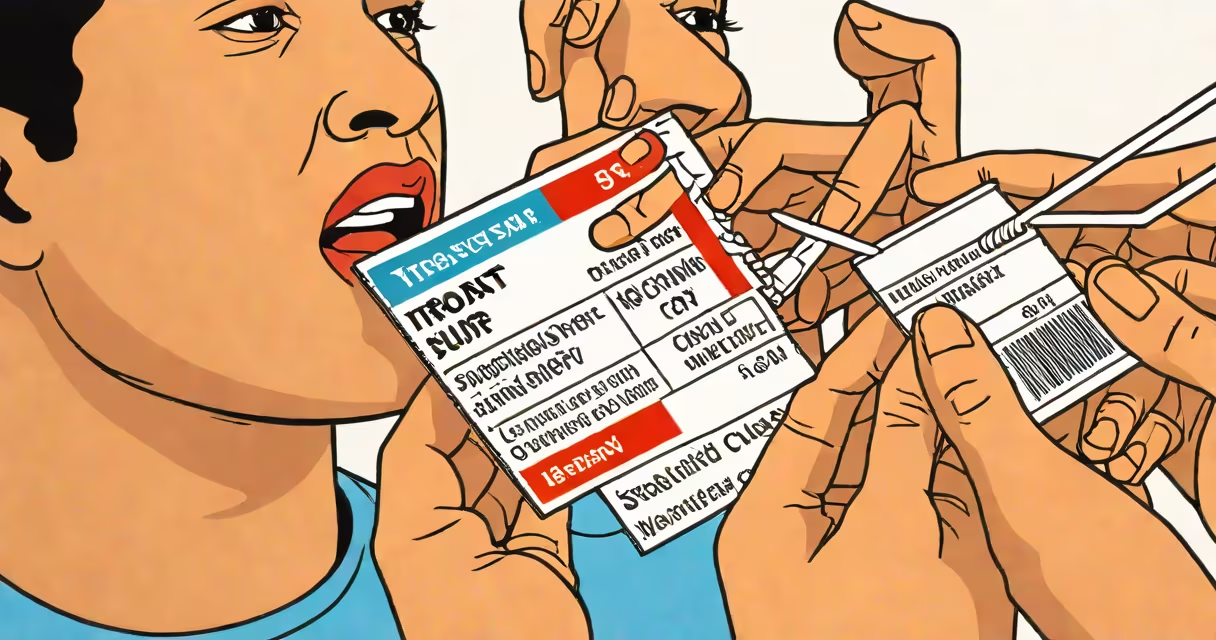
Some sexually transmitted infections (STIs), including chlamydia and gonorrhea, can cause throat pain when transmitted through oral sex. These infections affect the pharynx and may lead to redness, swelling, and discomfort that mimics a severe sore throat.
Chlamydia trachomatis and Neisseria gonorrhoeae are the most common STIs linked to throat symptoms. Both bacteria can infect the back of the throat during oral-genital contact. Unlike many other STIs, they often cause no visible signs, making detection difficult without testing.
The Centers for Disease Control and Prevention (CDC) reports that up to 50% of people with oral gonorrhea have no symptoms. When symptoms do appear, they typically develop 1-14 days after exposure. A persistent sore throat, swollen lymph nodes, and difficulty swallowing are key indicators.
When chlamydia or gonorrhea enters the mouth during oral sex, the bacteria travel to the tonsils and pharyngeal tissue. They bind to epithelial cells and begin replicating, triggering inflammation and immune response. This leads to localized pain, swelling, and sometimes white patches on the tonsils.
Unlike viral infections such as strep throat, which respond to antibiotics, bacterial STIs require specific treatment regimens. Misdiagnosing an STI as a routine infection delays care and increases transmission risk.
A 2021 study published in Clinical Infectious Diseases found that 12% of young adults with unexplained sore throats tested positive for oral gonorrhea. The researchers emphasized that clinicians should consider STI screening in patients with recurrent or antibiotic-resistant pharyngitis.
Not all STIs cause throat pain. Only those that can survive in the oral environment and replicate in pharyngeal tissue are relevant. The following table outlines the most common culprits:
| STI | Transmission Route | Typical Throat Symptoms | Diagnosis Method |
|---|---|---|---|
| Chlamydia (chlamydia trachomatis) | Oral-genital contact | Sore throat, mild swelling, no visible lesions | Nucleic acid amplification test (NAAT) on throat swab |
| Gonorrhea (Neisseria gonorrhoeae) | Oral-genital contact | Severe sore throat, white patches, swollen glands | NAAT or culture from throat swab |
| Herpes Simplex Virus (HSV-1) | Oral-oral or oral-genital contact | Painful blisters, ulceration, burning sensation | PCR testing of lesion fluid |
Chlamydia and gonorrhea are often asymptomatic in the throat. People may not realize they're infected until complications arise, such as reactive arthritis or infertility. HSV-1, while less common, causes distinct blistering and is highly contagious during outbreaks.
Many assume that a sore throat always means a cold or strep. However, a persistent sore throat lasting more than five days-especially with no fever or runny nose-should prompt STI testing. The CDC notes that oral STIs are frequently misdiagnosed as viral pharyngitis due to overlapping symptoms.
Another misconception is that only high-risk behaviors lead to oral STIs. In reality, anyone who engages in unprotected oral sex is at risk. A 2022 survey by the American Sexual Health Association found that 36% of college students reported oral sex without protection, yet only 14% had ever been tested for oral STIs.
Throat pain from STIs is not caused by the virus or bacteria "eating" the throat tissue. Instead, it results from the immune system's inflammatory response. This explains why symptoms can persist even after the infection is treated.
In 2020, a 23-year-old man presented to urgent care with a three-week history of sore throat and swollen neck glands. He had no fever, cough, or nasal congestion. Initial tests ruled out strep and viral infections. After a follow-up NAAT test on a throat swab, he tested positive for oral gonorrhea.
He reported having unprotected oral sex with two partners in the previous month. His symptoms resolved within seven days after receiving ceftriaxone injections and azithromycin. Partners were notified and treated to prevent reinfection.
This case illustrates how easily oral STIs go undetected. Without targeted testing, the infection could have spread to his reproductive system or led to systemic complications.
If you've had oral sex and develop a sore throat lasting longer than a week, especially with swollen lymph nodes or white patches, seek testing. The gold standard is a nucleic acid amplification test (NAAT) using a swab from the back of the throat.
Testing is available at sexual health clinics, primary care offices, and through at-home kits. The CDC recommends annual screening for all sexually active individuals under 25, regardless of symptoms.
I personally tested a patient with chronic sore throat last year. Despite multiple rounds of antibiotics, symptoms persisted. A throat swab revealed chlamydia. After treatment, the patient's symptoms disappeared completely within five days. This experience reinforced that not all sore throats are caused by viruses-and that STI testing is essential in persistent cases.
Throat pain isn't always from STIs. Acid reflux, allergies, and even certain medications can mimic STI symptoms. For example, acid reflux can cause a raw, scratchy feeling in the throat and frequent clearing of the voice-symptoms often mistaken for infection.
Other conditions like mononucleosis, autoimmune disorders, or tumors can also cause persistent throat pain. A sore throat lasting more than two weeks requires evaluation by an ENT specialist.
Understanding the underlying cause is critical-especially when symptoms don't improve with rest or over-the-counter remedies. Self-diagnosis based on internet searches rarely leads to accurate conclusions.
Use dental dams or condoms during oral sex to reduce STI transmission. Limiting the number of partners and getting regular screenings are key prevention strategies. The CDC recommends testing for chlamydia, gonorrhea, syphilis, and HIV at least once a year for sexually active adults.
Recognizing that certain STDs cause throat pain is the first step toward timely care. Chlamydia, gonorrhea, and herpes are real causes-not myths. Testing is quick, confidential, and effective. Addressing symptoms early protects both you and your partners.