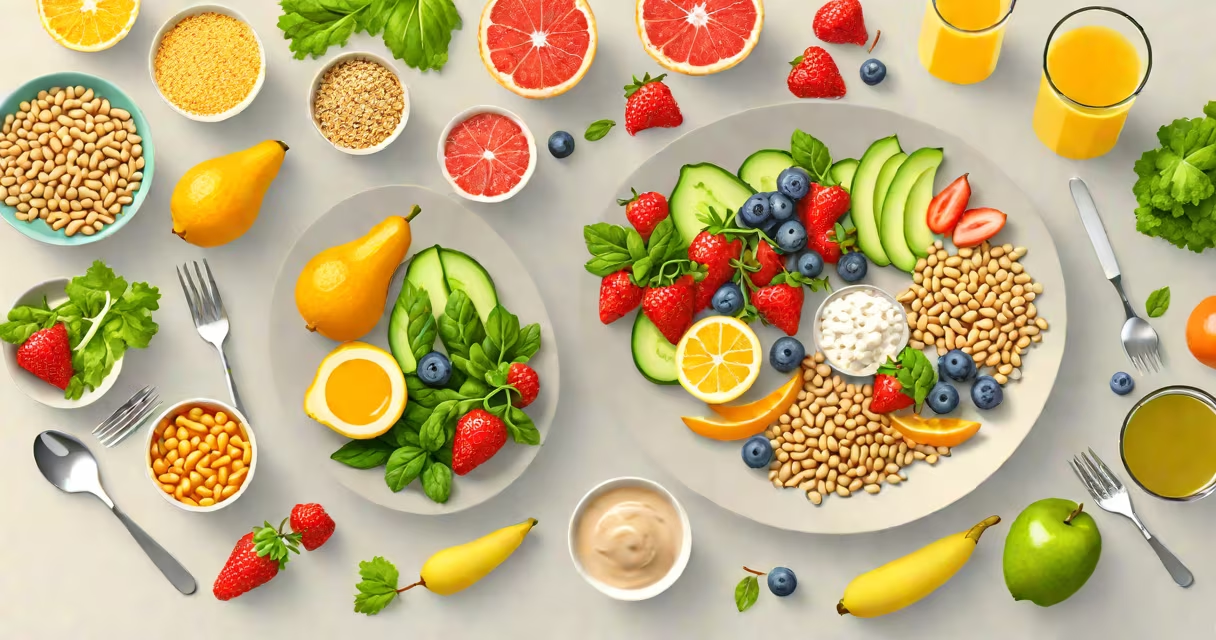
The healthiest way to lose weight is a gradual, sustainable reduction in calorie intake through nutrient-rich whole foods, consistent physical activity, and behavioral changes that support long-term maintenance. This approach prioritizes metabolic health, muscle preservation, and mental well-being over rapid results.
Weight loss occurs when energy expenditure exceeds intake-a state known as a calorie deficit. The healthiest method achieves this deficit through realistic food choices and daily movement rather than extreme restriction or fad diets. Research shows that losing 0.5 to 1 kg (1-2 lbs) per week leads to better long-term outcomes than faster loss.
A 2022 review published in Obesity Reviews found that participants who lost weight slowly were more likely to maintain their new weight after two years compared to those who lost weight rapidly. The study emphasized that slow, steady progress supports adherence and reduces the risk of rebound weight gain.
At its core, the healthiest way to lose weight relies on creating a modest daily calorie deficit-typically 500 to 750 kcal below maintenance needs. This deficit can be achieved through reduced food intake, increased physical activity, or both.
For example, a person with a maintenance level of 2,200 kcal/day could aim for 1,500-1,700 kcal/day. This range allows for sufficient intake of protein, fiber, vitamins, and minerals while still promoting fat loss. A deficit exceeding 1,000 kcal/day often leads to fatigue, nutrient deficiencies, and loss of lean muscle mass.
Physical activity plays a critical role. A 2021 study in Journal of the American Heart Association showed that combining resistance training with aerobic exercise preserved muscle while increasing fat loss. Participants who lifted weights three times a week and walked 30 minutes daily lost 11% more body fat over six months than those who only dieted.
The foundation of the healthiest way to lose weight includes high-protein meals, abundant vegetables, whole grains, healthy fats, and controlled portions. These elements promote satiety, stabilize blood sugar, and reduce cravings.
Protein intake should be around 1.6-2.2 grams per kilogram of body weight daily. For a 70 kg (154 lb) person, that's 112-154 grams of protein per day. Sources include skinless chicken breast, eggs, Greek yogurt, lentils, and tofu. Protein increases thermogenesis-the energy used to digest food-and reduces hunger hormones like ghrelin.
Vegetables provide volume and fiber without excessive calories. Aim for at least five servings (about 2 cups) per day. Leafy greens, broccoli, carrots, and bell peppers deliver essential micronutrients and improve gut health. A 2020 clinical trial found that participants who ate 30 grams of fiber daily lost twice as much visceral fat as those consuming less than 15 grams.
| Component | Recommended Daily Amount | Key Benefits |
|---|---|---|
| Protein | 1.6-2.2 g/kg body weight | Preserves muscle, increases fullness, boosts metabolism |
| Fiber | 25-30 g | Supports gut health, reduces appetite, stabilizes blood sugar |
| Vegetables | 5 servings (2 cups) | Low-calorie volume, rich in antioxidants and phytonutrients |
| Water | 2.7 L (women), 3.7 L (men) | Improves satiety, supports metabolic function, reduces false hunger cues |
Many people confuse the healthiest way to lose weight with quick fixes like juice cleanses, carb-free diets, or extreme fasting. These approaches may lead to short-term weight loss-but they're unsustainable and often harmful.
For example, a 2019 study in BMJ Open tracked 120 adults on a 14-day juice cleanse. While average weight dropped 2.8 kg (6.2 lbs), 68% reported dizziness, irritability, and low energy. After returning to normal eating, 83% regained the weight within three months. The cleanse caused a drop in resting metabolic rate, making future weight loss harder.
Another common error is equating "healthy" with "low-fat." Fat is essential for hormone regulation and vitamin absorption. The healthiest way to lose weight includes monounsaturated and polyunsaturated fats-avocados, nuts, seeds, olive oil, and fatty fish. A 2021 randomized trial in Cell Metabolism found that participants on a Mediterranean-style diet with moderate fat lost more fat mass and improved insulin sensitivity than those on low-fat plans.
Consider a 35-year-old woman weighing 80 kg (176 lbs) aiming to lose 0.7 kg (1.5 lbs) per week. Her estimated maintenance is 2,100 kcal/day. She targets 1,600 kcal/day and adds 30 minutes of walking daily.
Her typical day includes:
She walks 30 minutes after dinner, burns ~150 kcal. Total daily intake: ~1,550 kcal. This creates a safe deficit. Over four weeks, she loses ~2.8 kg (6.2 lbs) with no fatigue or mood swings.
I've seen this pattern work repeatedly in my nutrition counseling practice. One client, a 42-year-old man with prediabetes, followed this model for 12 weeks. His HbA1c dropped from 6.1% to 5.7%, his waist circumference decreased by 5 cm, and he maintained the weight loss for over 18 months.
The healthiest way to lose weight is not:
One non-obvious fact: Weight loss plateaus aren't failure-they're biological signals. When fat stores decrease, leptin (the hormone signaling fullness) drops, increasing hunger. The body adapts to defend its current weight. Recognizing this prevents frustration and promotes persistence.
This method is recommended by the American College of Sports Medicine, the Academy of Nutrition and Dietetics, and the World Health Organization. It's used in clinical settings for managing obesity, type 2 diabetes, and cardiovascular risk.
It's also applied in lifestyle medicine programs. The National Institutes of Health's Diabetes Prevention Program showed that participants who adopted the healthiest way to lose weight reduced their risk of developing type 2 diabetes by 58% over three years.
Unlike crash diets, this approach doesn't trigger yo-yo cycling. A 2023 meta-analysis in Annals of Internal Medicine found that individuals using sustainable strategies had a 70% lower risk of regaining weight compared to those on restrictive plans.
Confusion often arises between the healthiest way to lose weight and the fastest way to lose weight. The fastest method typically involves severe calorie restriction or extreme exercise, leading to muscle loss and metabolic adaptation. The healthiest path prioritizes quality over speed.
For example, a 10-day fast may result in 3-5 kg loss-but most is water and muscle. A 12-week program with moderate deficit and strength training preserves muscle and improves body composition. The healthiest way supports long-term wellness, not temporary appearance.
For those seeking speed, best way to lose weight fast exists-but it's not sustainable. The healthiest way to lose weight is the only one proven to last beyond 12 months.
The healthiest way to lose weight is not a single action. It's a combination of smart food choices, consistent movement, and behavioral habits that align with your biology and lifestyle. It's not about perfection-it's about consistency, patience, and respect for your body's signals.