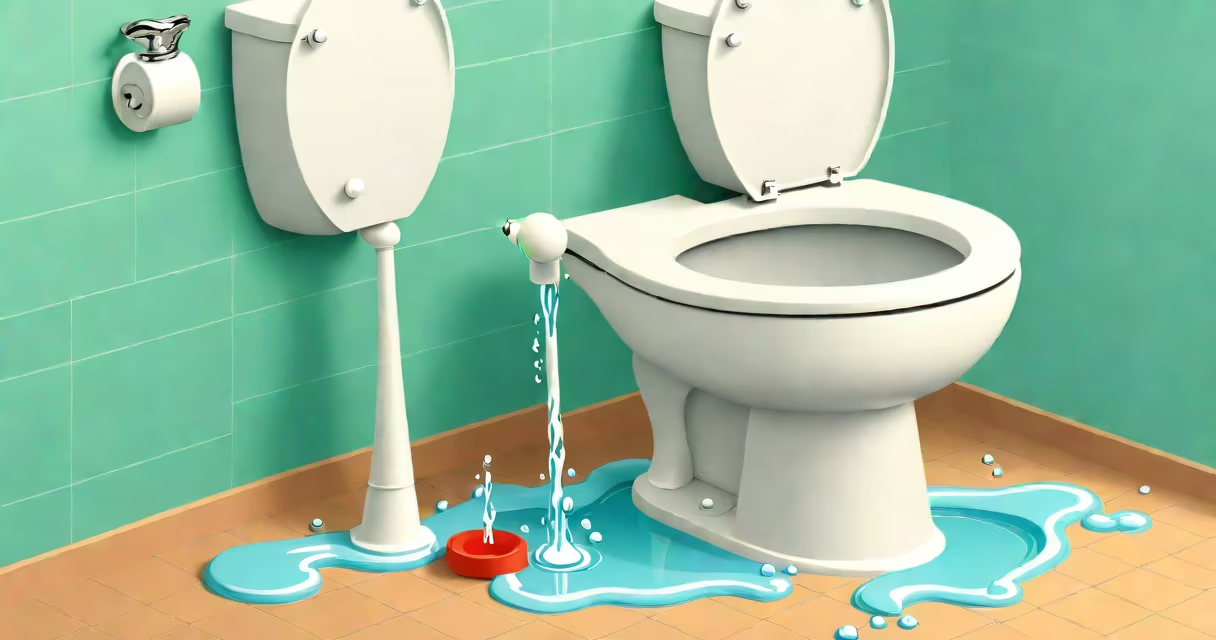
A full toilet occurs when waste and water rise above the rim due to a blocked drain. Immediate action prevents flooding and sanitation risks. The goal is to dislodge the obstruction using pressure or mechanical force.
When a toilet overflows, stop using any plumbing in the house. Turn off the water supply valve behind the toilet to prevent further filling. A full toilet is not a minor issue-it's a plumbing emergency requiring rapid response.
Plumbing systems rely on gravity and trap seals to move waste. When solids, paper, or foreign objects accumulate, they form a blockage. Water backs up because flow cannot pass through the trap or drain pipe. Pressure builds until water rises above the bowl's rim.
Manual unclogging uses hydrostatic pressure. A plunger creates suction and push cycles to dislodge the blockage. The rubber cup seals the drain hole, and downward force pushes water and debris through the pipe. Repeated strokes generate enough force to break up or shift the obstruction.
For persistent clogs, chemical cleaners or drain snakes may be used. However, chemicals pose health and environmental risks and can damage older pipes. Mechanical solutions are safer and more effective for full toilets.
Basic supplies include a flange plunger (not a sink plunger), rubber gloves, a towel, and a bucket. A flange plunger has a flexible extension that fits into the drain hole, improving seal integrity.
Alternative tools: a toilet auger (also called a closet snake), a wire hanger bent into a hook, or even a long-handled spoon to manually probe the bowl. Avoid using metal tools that scratch porcelain.
| Tool | Best For | Limitations |
|---|---|---|
| Flange Plunger | Most clogs, including those with fecal matter | Requires proper seal; ineffective if bowl is too full |
| Toilet Auger | Deep or recurring blockages | Harder to maneuver; risk of scratching porcelain |
| Wire Hanger Hook | Small debris or hair clumps | Minimal reach; high chance of damaging pipe |
First, shut off the water valve behind the toilet. Flush the toilet to empty as much water as possible. Use a towel to soak up remaining water around the rim. Do not flush again until the clog is cleared.
Place the plunger over the drain hole. Ensure the flange extends into the drain. Apply firm, steady pressure-push down 6 inches, then pull up sharply. Repeat 15-20 times. Listen for gurgling sounds indicating movement.
If water level drops and drains, flush the toilet. If it refills and rises again, repeat the process. If no progress after three rounds, the blockage is likely deeper. Use a toilet auger: insert the coiled cable into the drain hole and rotate clockwise while pushing forward. Stop when resistance increases. Pull out slowly and check for debris.
After clearing, flush multiple times to verify flow. Clean the plunger with disinfectant and store it separately from other tools.
Many assume pouring hot water or bleach will clear a full toilet. This is false. Hot water can warp plastic components. Bleach reacts poorly with organic waste and can produce toxic fumes. These methods delay resolution and increase risk.
Another error: attempting to flush repeatedly. Each flush adds more water, increasing overflow potential. The system cannot handle excess volume during a blockage. Wait until the clog is resolved before flushing.
Some think plunging is ineffective if the bowl is nearly full. This is incorrect. As long as the plunger seals the drain, pressure transfer still occurs. If water covers the plunger cup, remove excess with a sponge before plunging.
In 2022, the American Society of Plumbing Engineers reported that 38% of residential plumbing calls involved toilet clogs. One case in suburban Atlanta involved a family who ignored a slow-draining toilet. After three days, it backed up completely during a morning rush. They used a flange plunger and cleared it in under five minutes. The cost: $0. The alternative: a $250 plumber visit.
I once encountered a clog caused by a child's toy left in the bowl. Standard plunging failed. I used a toilet auger to retrieve the object from a 12-inch bend. The repair took 18 minutes and required no parts replacement.
Call a licensed plumber if the clog persists after three attempts with a plunger or auger. Also call if you hear gurgling from other drains, which indicates a mainline blockage. If the toilet leaks at the base or wobbles, the wax seal may be compromised.
Professional tools include video inspection cameras and high-pressure jetters. These diagnose root causes such as tree root intrusion or collapsed pipes. DIY methods won't resolve structural issues.
Understanding how to unclog a full toilet reduces stress and prevents property damage. Most cases resolve in under 10 minutes with correct technique. Always prioritize safety-wear gloves, avoid chemicals, and act quickly.