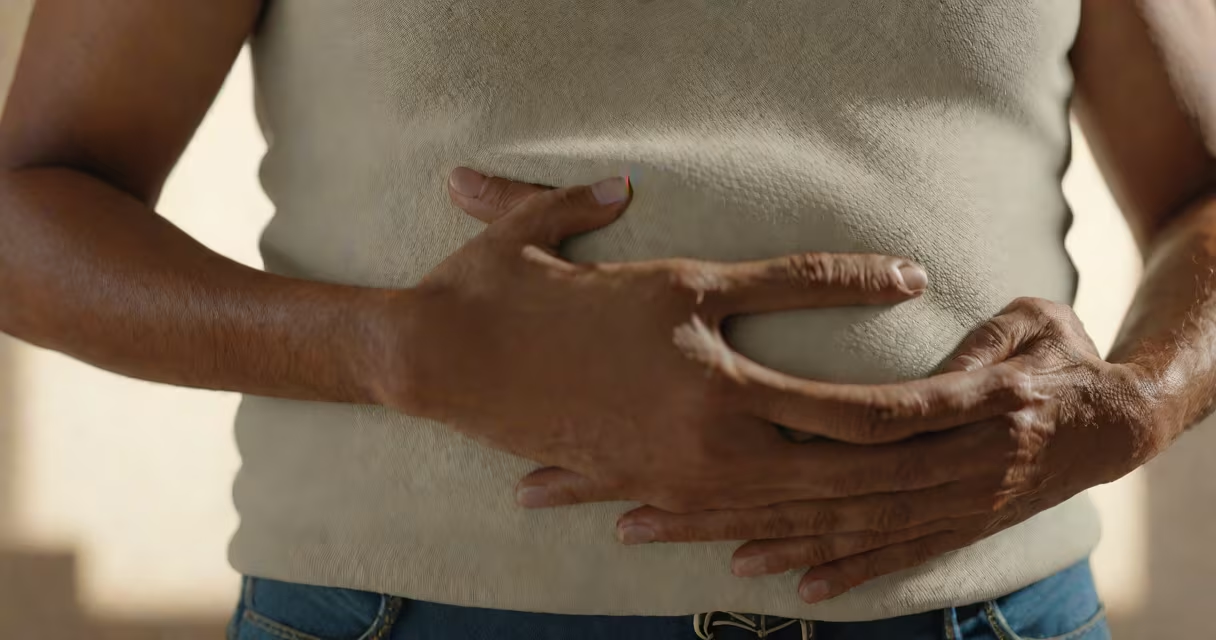
The 24 hour stomach virus, medically known as viral gastroenteritis, is caused by highly contagious viruses such as norovirus and rotavirus. These pathogens trigger rapid onset of nausea, vomiting, watery diarrhea, and abdominal cramps, typically lasting 12 to 48 hours in otherwise healthy individuals.
Norovirus accounts for about 60% of all acute gastroenteritis cases in adults and children worldwide, according to the Centers for Disease Control and Prevention (CDC). It spreads through contaminated food, water, surfaces, or direct contact with infected people. Rotavirus remains the leading cause of severe diarrhea in infants and young children under five, responsible for nearly 200,000 child deaths annually in low-income countries, per WHO data.
Transmission occurs via fecal-oral route-often when someone touches a surface contaminated with virus particles and then touches their mouth. The virus can survive on hard surfaces for days. A single gram of stool from an infected person contains enough virus to infect thousands.
Once ingested, norovirus targets the epithelial cells lining the small intestine. It binds to receptors on the cell surface, enters the cell, replicates rapidly, and damages the gut's ability to absorb fluids and electrolytes. This disruption leads to watery diarrhea and dehydration.
Rotavirus uses a different mechanism-it infects mature enterocytes in the small intestine's villi. As these cells die off, the intestinal lining becomes less effective at nutrient absorption. The result is osmotic diarrhea due to unabsorbed solutes drawing fluid into the bowel.
A study published in The Lancet Infectious Diseases found that norovirus can remain infectious on stainless steel surfaces for up to 14 days at room temperature. This persistence explains why outbreaks frequently occur in closed environments like cruise ships, nursing homes, and schools.
Many people assume the 24 hour stomach virus is caused by bacteria or spoiled food. While foodborne illness can mimic symptoms, bacterial infections like Salmonella or E. coli usually take longer to develop-12 to 72 hours after ingestion-and often include fever and bloody stools.
Another confusion arises between the 24 hour stomach virus and food poisoning. Food poisoning is a broader term that includes both bacterial and chemical toxins. Viral gastroenteritis is distinct because antibiotics do not treat it-antibiotics only work on bacteria.
Some patients mistake the condition for a reaction to a specific meal. However, the incubation period for norovirus is typically 12 to 48 hours, meaning symptoms appear well after eating. If you ate at a restaurant and developed symptoms within four hours, it may point to a toxin-producing bacterium like Staphylococcus aureus-but not a virus.
Two primary viruses cause the 24 hour stomach virus:
| Virus | Incubation Period | Duration of Symptoms | Common Settings |
|---|---|---|---|
| Norovirus | 12-48 hours | 12-72 hours | Cruise ships, dormitories, hospitals |
| Rotavirus | 1-3 days | 3-8 days | Daycare centers, pediatric clinics |
Outbreaks of norovirus peak during winter months in temperate climates. The CDC reports that 80% of norovirus cases in the U.S. occur between November and April. Rotavirus is more common in summer and fall in tropical regions.
Contaminated shellfish, especially oysters harvested from polluted waters, are a known vector for norovirus. A 2019 outbreak in Washington state traced 37 cases to raw oysters collected from a single bay. The shellfish had been exposed to sewage runoff during heavy rains.
In January 2022, a middle school in Oregon reported 42 students and five staff members experiencing vomiting and diarrhea within 24 hours. All affected individuals had eaten lunch in the cafeteria. The school's kitchen had recently hired a new worker who was symptomatic the previous day but continued working.
Public health officials confirmed norovirus through PCR testing of stool samples. Environmental swabs from the lunchroom showed contamination on door handles, serving trays, and a hand sanitizer dispenser. The virus spread through poor hand hygiene and shared surfaces. The school closed for two days to disinfect and isolate affected individuals.
This case illustrates how easily norovirus spreads in group settings-even when food is cooked properly. The virus resists standard cleaning agents and requires bleach-based disinfectants at 1000 ppm concentration for effective deactivation.
Most articles claim that staying hydrated is the only treatment needed. While accurate, they omit that oral rehydration solutions (ORS) containing sodium, potassium, and glucose are more effective than water alone. A 2020 Cochrane review found ORS reduced hospitalization rates by 35% compared to water-only rehydration in children with acute diarrhea.
Another overlooked fact: norovirus can be transmitted through aerosolized vomit. When someone vomits, tiny droplets containing virus particles can travel up to 10 feet and settle on nearby surfaces. This airborne transmission explains why outbreaks continue even after removing the sick individual from a room.
I once observed a norovirus outbreak in a university residence hall. Despite isolating the infected student and cleaning the bathroom, two additional residents fell ill within 12 hours. Investigation revealed that the bathroom exhaust fan had been turned off during cleaning, allowing aerosolized particles to circulate through shared ventilation ducts. The outbreak ended only after the entire system was flushed with chlorine solution.
For most healthy adults, the 24 hour stomach virus resolves without medical intervention. Focus on hydration and rest. Avoid anti-diarrheal medications like loperamide unless directed by a doctor-they can prolong viral shedding.
If symptoms persist beyond 48 hours, include high fever (>101.3°F), blood in stool, or signs of dehydration (sunken eyes, dry mouth, dizziness), seek care. Dehydration risks increase in young children, older adults, and those with chronic conditions.
Prevention relies on handwashing with soap and water for at least 20 seconds. Alcohol-based sanitizers are ineffective against norovirus. Disinfect surfaces with a 1:50 dilution of household bleach (5.25% sodium hypochlorite).