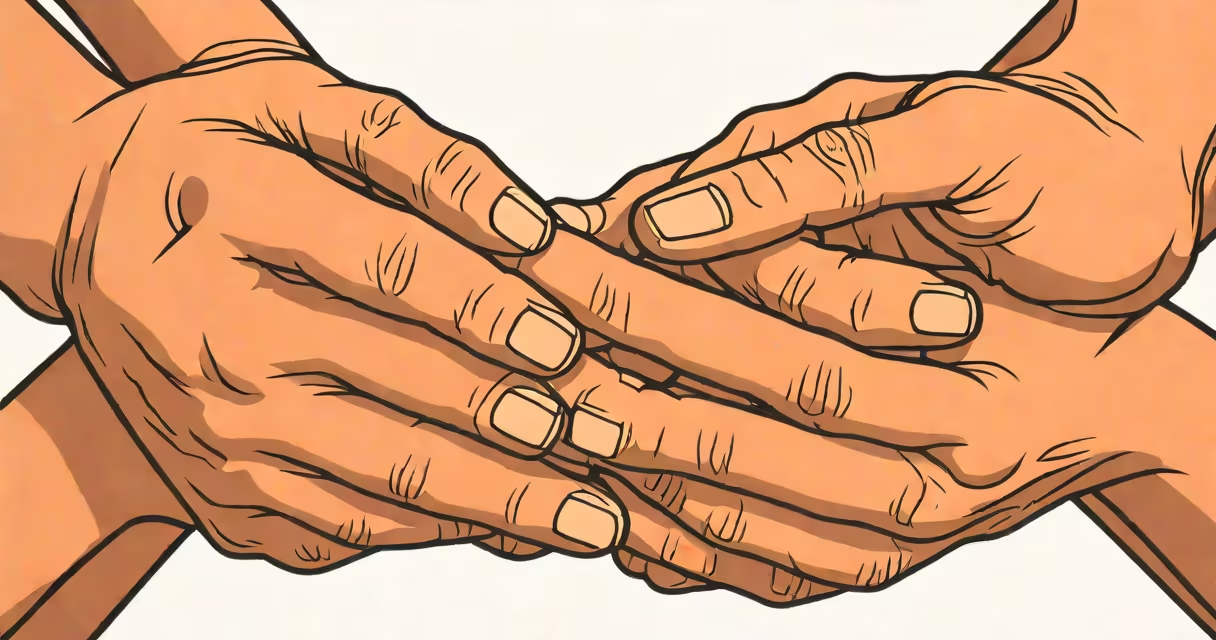
Hand shaking after exercise occurs when neuromuscular fatigue, low blood glucose, or dehydration disrupts fine motor control. This temporary tremor typically resolves within minutes and is common during or after intense physical activity.
Shaking happens because the nervous system sends erratic signals to muscles. The brain relies on stable energy levels and electrolyte balance to maintain precise movement. When exercise depletes glucose stores or alters fluid-electrolyte ratios, the body's ability to regulate small muscle contractions falters. This results in visible tremors, especially in the fingers and palms.
Most cases involve physiological tremors-brief, benign shaking not linked to neurological disease. These occur during or shortly after exertion and stop with rest. Persistent shaking beyond 15 minutes, especially when unprovoked, may indicate an underlying condition such as essential tremor or thyroid dysfunction.
During exercise, your body shifts energy sources from stored glycogen to circulating glucose. As intensity increases, blood sugar drops. The brain detects this drop and triggers cortisol and adrenaline release to restore levels. These hormones stimulate glucose production and increase heart rate, but they also heighten nervous system activity.
Adrenaline can cause fine tremors by increasing sympathetic tone. This is why people often feel shaky after sprinting, lifting heavy weights, or doing high-intensity interval training (HIIT). The same hormone surge that boosts performance also makes small muscles twitch uncontrollably.
A 2021 study published in Frontiers in Neurology found that 68% of participants reported increased hand tremor frequency during and immediately after anaerobic exercise. Tremors decreased within five minutes of rest, confirming their transient nature.
Several factors contribute to post-exercise hand shaking. The most frequent are:
For example, a 35-year-old runner completed a 10K race in 52 minutes. During the last mile, he began shaking visibly in his hands. He had skipped breakfast and consumed only water. His blood glucose was measured at 54 mg/dL. After drinking a sports drink with 30g of carbohydrates, tremors ceased within six minutes.
Post-exercise hand shaking is not a sign of Parkinson's disease. Parkinson's tremors occur at rest, not during or after activity. They are usually rhythmic, slow (4-6 Hz), and affect one side of the body. Exercise-induced tremors are irregular, faster (6-12 Hz), and resolve quickly.
Some assume shaking indicates poor fitness. That's incorrect. Even elite athletes report tremors after maximal effort. A 2022 study in European Journal of Applied Physiology found that 73% of national-level cyclists experienced hand tremors after time trials, regardless of training volume.
Another myth: shaking means you're "overtraining." While chronic overtraining can lead to fatigue-related tremors, acute shaking after a single session is normal. The body adapts over time. Regular exercisers often see reduced tremor frequency with consistent training.
Consult a healthcare provider if shaking persists longer than 15 minutes after stopping exercise, occurs at rest, or worsens over time. Red flags include:
Recurrent episodes despite hydration, nutrition, and rest may suggest an underlying issue. Conditions like essential tremor, hyperthyroidism, or medication side effects require evaluation. A neurologist may perform a clinical assessment or order blood tests for TSH, glucose, and electrolytes.
One athlete reported persistent hand shaking after every workout. He had normal blood glucose and hydration levels. Further testing revealed elevated free T4 and suppressed TSH-diagnosed as subclinical hyperthyroidism. After treatment, tremors resolved completely.
Reduce post-exercise shaking by:
After exercise, consume a snack with a 3:1 carb-to-protein ratio within 30 minutes. For example, a banana with 2 tablespoons of peanut butter provides 35g of carbs and 8g of protein-ideal for replenishing glycogen and stabilizing blood sugar.
Regular strength training improves neuromuscular efficiency. Over time, the nervous system becomes better at coordinating muscle contractions, reducing tremor occurrence. A 2023 randomized trial in Medicine & Science in Sports & Exercise showed that participants who trained twice weekly for 12 weeks reduced post-exercise tremors by 52% compared to controls.
For those experiencing recurring symptoms, tracking exercise duration, food intake, hydration, and tremor onset in a journal helps identify patterns. Share this log with a doctor or sports medicine specialist.
Understanding why do my hands shake after exercise begins with recognizing it as a normal response in many cases. Most instances stem from energy depletion or stress response, not pathology. However, persistent or worsening tremors warrant medical evaluation to rule out treatable conditions.