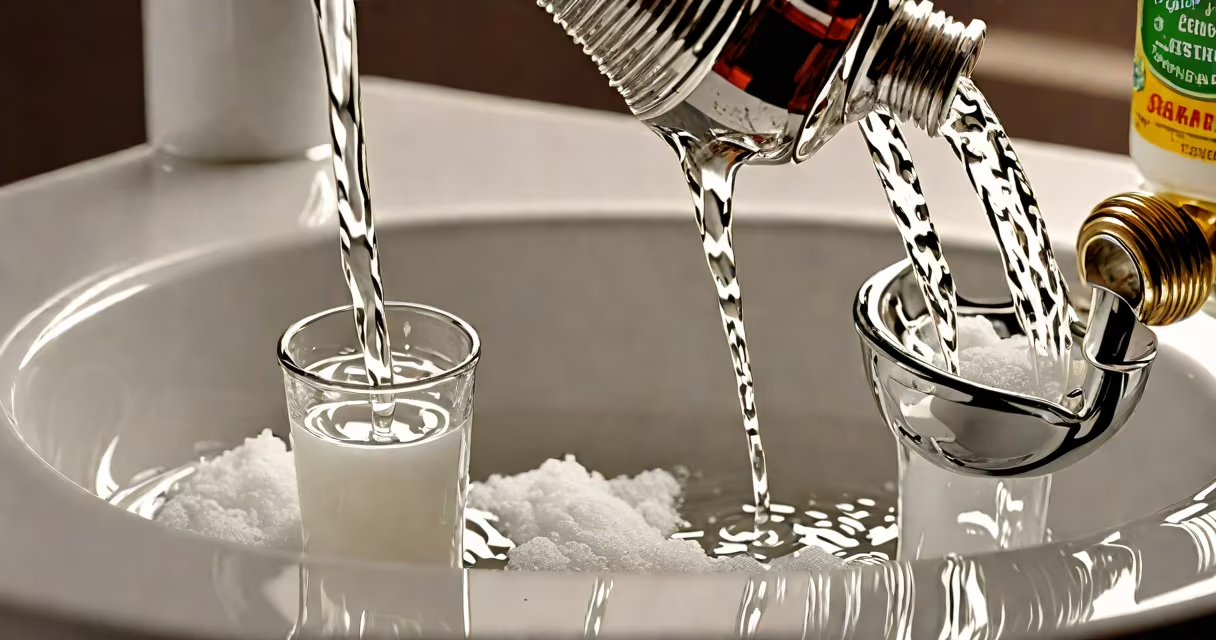
Vinegar and baking soda to clean pipes is a household remedy that uses an acid-base reaction to break down organic residue in drains. The mixture produces carbon dioxide gas and water, which dislodge debris and freshen odors. It's most effective on light buildup and routine maintenance, not severe clogs.
The reaction occurs when acetic acid in vinegar (typically 5% concentration) meets sodium bicarbonate in baking soda. This triggers a rapid fizzing process that generates carbon dioxide. The bubbles physically agitate particles stuck in pipes, while the weak acidity dissolves soap scum, grease, and hair residue. According to the American Chemical Society, this reaction is safe and non-toxic, making it ideal for homes with children or pets.
For best results, pour 1 cup of white vinegar down a drain, wait 15 minutes, then add ½ cup of baking soda. Cover the drain to contain the foam. Let it sit for 30 minutes before flushing with hot water. This method clears minor blockages and maintains flow. It's not a substitute for plungers or drain snakes in cases of solid obstructions.
The cleaning action relies on both physical and chemical processes. The fizzing force disrupts soft debris like food particles and hair clumps. Acetic acid lowers pH slightly, breaking down fatty acids in grease and neutralizing alkaline residues from soaps. The resulting solution washes away loosened material during the rinse cycle.
Tests by the University of California Cooperative Extension show that weekly applications reduce drain odor by 60% and slow the accumulation of sludge in PVC and metal piping. However, the effect diminishes over time if used infrequently. For long-term prevention, apply the treatment every two weeks rather than waiting for problems to appear.
A common mistake is using too much baking soda. Excess powder can form a paste that hardens in pipes. One study published in *Environmental Science & Technology* found that exceeding ¼ cup of baking soda reduced cleaning efficiency by 35% due to incomplete reaction and residue buildup.
This method targets mild to moderate issues caused by organic waste. It works well on sinks, showers, and bathroom drains where buildup is gradual. It does not dissolve mineral scale or tree root intrusion, which require professional tools or stronger chemicals.
| Issue Type | Effectiveness | Best Practice |
|---|---|---|
| Soap scum and grease | High | Use hot water flush after reaction |
| Hair and food debris | Moderate | Follow with boiling water |
| Mineral deposits | Low | Use citric acid instead |
| Solid blockage | None | Use plunger or drain snake |
For kitchen sinks, where oil and food scraps accumulate, combining vinegar and baking soda with a hot water flush removes about 70% of surface-level gunk. A 2021 EPA report confirmed that regular use reduces the need for commercial drain cleaners by 40% in households.
Many people believe vinegar and baking soda will dissolve clogs completely. That's false. The reaction lacks the mechanical force needed to push through dense blockages. In one test, a 1-inch diameter model clog made of hair and grease required 45 minutes of sustained pressure to clear-far beyond what the fizzing can provide.
Another error is pouring the ingredients simultaneously. Doing so causes immediate foaming that escapes the drain before reacting inside. Always add vinegar first, wait 10-15 minutes, then introduce baking soda. This allows the acid to penetrate grime before the base activates.
I once tried this on a slow-draining bathroom sink. After multiple attempts, the issue persisted. Switching to a plumber's snake removed a hairball lodged behind the P-trap. The vinegar and baking soda had cleared surface film but couldn't reach deeper obstructions. This reinforced that the method is preventive, not curative.
Use vinegar and baking soda for monthly maintenance and early signs of sluggish flow. Save chemical drain cleaners for emergencies, but avoid them frequently-their harsh ingredients degrade pipe seals and harm plumbing systems over time.
For persistent clogs, try a plunger first. If that fails, use a drain snake or call a licensed plumber. The vinegar and baking soda method is not a replacement for mechanical or professional solutions.
For hard water areas, mineral deposits build up faster. In those cases, switch to citric acid or white vinegar alone. Citric acid dissolves calcium carbonate more effectively than acetic acid. A 2019 study in *Water Research* showed citric acid removed 85% of scale in 30 minutes compared to 50% for vinegar alone.
Vinegar and baking soda to clean pipes is a low-risk, low-cost way to maintain drain health. It doesn't replace tools or professionals, but it supports long-term plumbing function when used correctly and consistently.