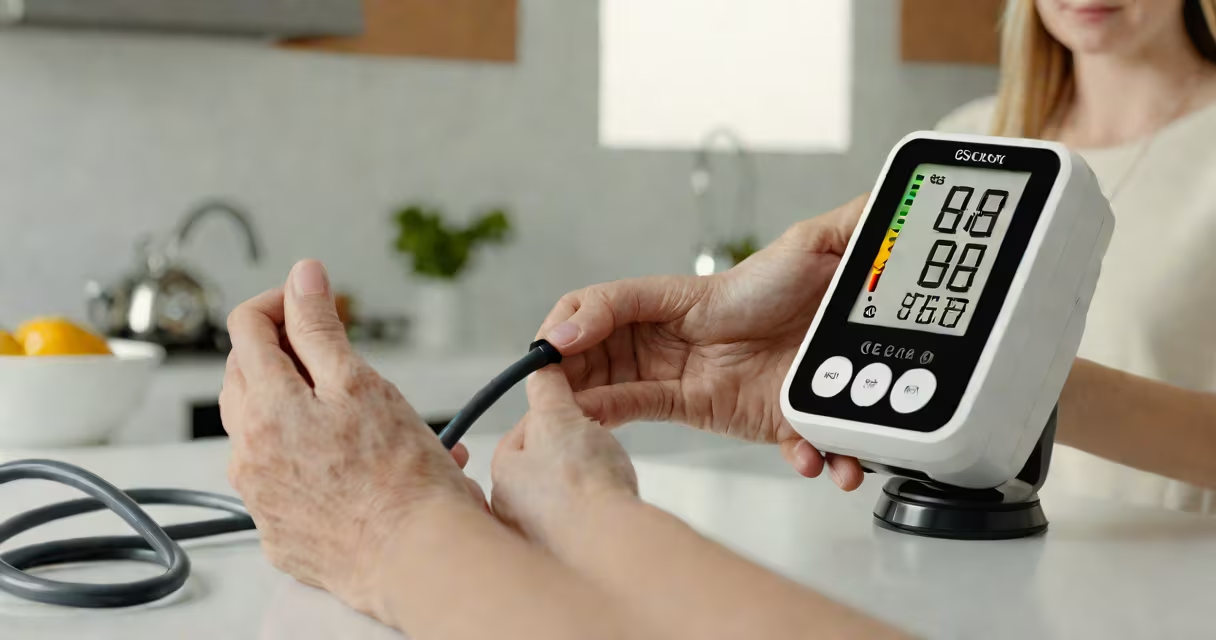
Very low blood pressure, or hypotension, occurs when systolic pressure drops below 90 mm Hg or diastolic pressure falls below 60 mm Hg. This condition can impair blood flow to important organs and trigger dizziness, fainting, or shock.
Low blood pressure isn't always a problem. Some healthy individuals maintain readings below 100/60 mm Hg without symptoms. But when levels drop sharply or cause noticeable effects, it signals a physiological disruption. Causes range from temporary dehydration to serious cardiac or endocrine disorders.
According to the American Heart Association, hypotension affects about 1 in 10 adults at some point. While mild cases may resolve with hydration or dietary changes, persistent or severe drops require evaluation. The most common triggers involve fluid loss, heart function issues, or medication side effects.
Blood pressure relies on heart output, blood volume, and vascular resistance. When any of these fails, pressure drops. A sudden drop upon standing-called orthostatic hypotension-results from impaired autonomic reflexes. The body normally constricts blood vessels and increases heart rate to maintain flow when upright. If this fails, blood pools in the legs, reducing cerebral perfusion.
For example, a 68-year-old man with Parkinson's disease may experience a 30-point drop in systolic pressure within two minutes of standing. His brain doesn't signal proper vasoconstriction, leading to lightheadedness. This is not normal aging-it reflects neurodegeneration affecting the sympathetic nervous system.
Another mechanism involves acute volume loss. A 34-year-old woman vomiting and diarrhea for 24 hours lost approximately 1.5 liters of fluid. Her blood pressure dropped from 120/80 mm Hg to 88/54 mm Hg. Her heart rate rose to 110 bpm as compensation, but she still fainted during a bathroom visit. Rehydration restored her pressure to 108/70 mm Hg within four hours.
Dehydration is the most frequent reversible cause. Sweat, vomiting, diarrhea, or inadequate intake reduce plasma volume. Even mild dehydration-just 2% body weight loss-can lower blood pressure by 10-15 mm Hg. Athletes training in heat often see this effect.
Cardiac causes include bradycardia (slow heart rate), cardiomyopathy, or valve dysfunction. A 52-year-old man with a history of myocardial infarction developed a resting heart rate of 42 bpm. His ejection fraction was 35%, meaning his heart pumped less than half its volume per beat. He reported fatigue and near-fainting episodes. An implantable pacemaker corrected his rhythm and raised his average pressure to 105/70 mm Hg.
Medications are responsible in nearly 20% of cases. Antihypertensives like beta-blockers (e.g., metoprolol), alpha-blockers (e.g., doxazosin), and certain antidepressants (e.g., trazodone) can suppress cardiac output or vasomotor tone. A study in the Journal of the American Geriatrics Society found that older adults taking three or more medications had a 40% higher risk of symptomatic hypotension.
| Category | Specific Causes | Prevalence Estimate |
|---|---|---|
| Dehydration | Diarrhea, excessive sweating, poor intake | ~40% of acute cases |
| Medication Side Effects | Antihypertensives, antidepressants, sedatives | ~20% |
| Cardiac Dysfunction | Bradycardia, heart failure, valve disease | ~15% |
| Endocrine Disorders | Addison's disease, hypothyroidism | ~5% |
| Neurological Conditions | Parkinson's, multiple system atrophy | ~10% |
People often confuse low blood pressure with anxiety or fatigue. A 29-year-old woman reported chronic tiredness and occasional dizziness. She assumed it was stress-related. Her blood pressure was 85/50 mm Hg-below normal-but she had no other symptoms. After ruling out anemia and thyroid issues, doctors diagnosed her with primary orthostatic hypotension, likely due to dysautonomia.
Another misconception is that low BP always requires treatment. In reality, asymptomatic hypotension in young, fit individuals poses no risk. A 22-year-old college athlete had a reading of 92/58 mm Hg during a routine physical. He felt fine, exercised regularly, and had no family history of cardiovascular disease. No intervention was needed.
A critical distinction: low blood pressure does not equal low energy. Fatigue can stem from sleep apnea, iron deficiency, or depression-conditions unrelated to pressure. Confusing them leads to misdiagnosis. Always correlate symptoms with actual measurements.
Seek immediate care if low blood pressure is accompanied by chest pain, confusion, rapid breathing, cold extremities, or loss of consciousness. These signs suggest shock-a life-threatening state requiring emergency treatment.
Even without emergencies, persistent symptoms warrant evaluation. Fainting during standing, blurred vision, or unexplained weakness should prompt a visit. A doctor may perform a tilt-table test to assess orthostatic response or order an echocardiogram to check heart function.
I once observed a patient with Addison's disease who presented with severe hypotension, hyperpigmentation, and salt craving. His cortisol level was undetectable. Treatment with hydrocortisone replaced the missing hormone and stabilized his pressure. This case illustrates that rare endocrine causes exist-and they're treatable.
Low blood pressure isn't inherently dangerous. But when it causes symptoms or results from an underlying issue, it demands attention. Identifying the root cause enables targeted management. Dehydration may resolve with fluids. Medication-induced drops can be adjusted. Serious conditions like heart failure or adrenal insufficiency require specific therapy.