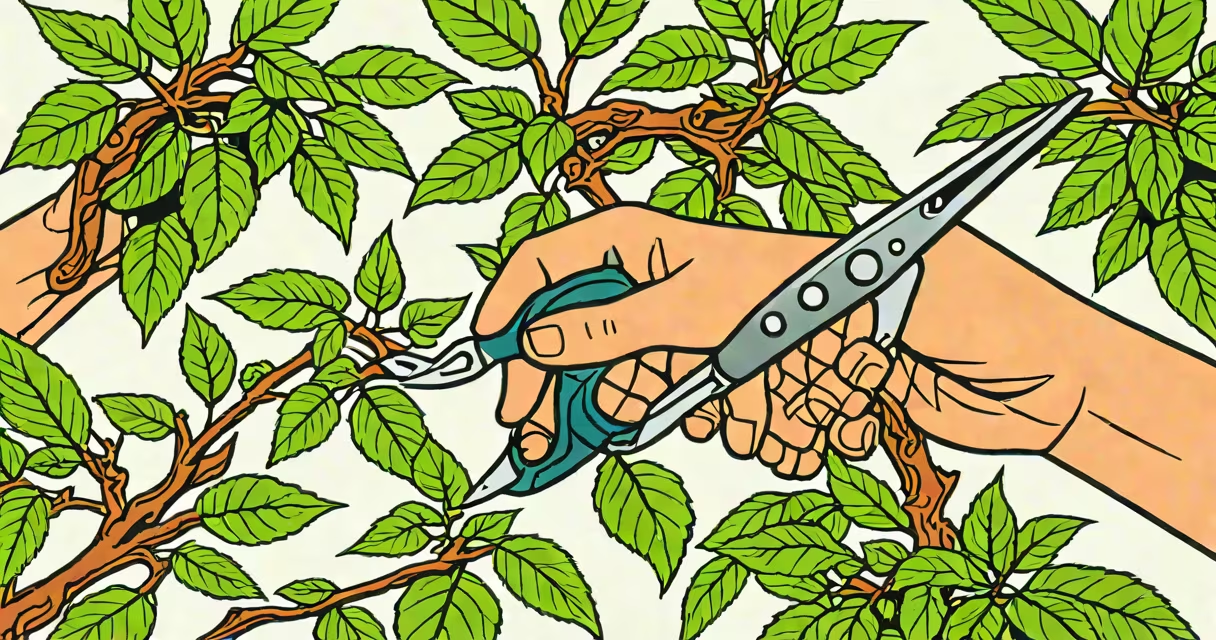
Pruning a plant means selectively removing parts such as stems, branches, or roots to improve structure, encourage new growth, increase flower or fruit production, and maintain plant health. It's not random cutting-it's targeted removal based on species, season, and goal.
Pruning is not the same as cutting off dead flowers. That's called deadheading. Pruning involves shaping, thinning, or redirecting growth. It's used in gardens, orchards, vineyards, and indoor plant care. A well-pruned rose bush produces more blooms; a pruned apple tree yields better fruit.
Plants grow in response to light, hormones, and energy distribution. When you remove a branch or stem, you alter the flow of auxin, a hormone that controls growth direction. Removing a dominant shoot allows side shoots to develop, creating a fuller plant.
Pruning also improves air circulation and sunlight penetration. Dense foliage traps moisture and invites fungal diseases. Thinning reduces risk. For example, removing inner branches from a hydrangea prevents mildew and encourages flowering on the outer edges.
Timing matters. Most deciduous trees are pruned during dormancy (late winter) to avoid sap loss and reduce infection risk. Evergreens like boxwood are trimmed in late spring after new growth begins. Over-pruning in summer can stress plants and reduce yield.
There are four main pruning methods, each serving a different purpose:
| Type | Purpose | Best For | When to Do It |
|---|---|---|---|
| Heading back | Stimulates branching by cutting above a bud | Roses, hedges, ornamental shrubs | Early spring, before new growth |
| Thinning | Removes entire branches at the base to open canopy | Apple trees, lilacs, crape myrtles | Dormant season (winter) |
| Rejuvenation | Severe cutback to restore vigor in old or overgrown plants | Overgrown shrubs, neglected perennials | Early spring, before growth starts |
| Deadheading | Removes spent flowers to prevent seed formation | Petunias, dahlias, lavender | As blooms fade, throughout growing season |
Heading back is common in training young trees. Cutting just above a leaf node redirects growth upward. Thinning removes whole limbs, reducing density without stimulating excessive regrowth. Rejuvenation cuts back older wood to force new shoots-used on shrubs like spirea that lose vigor over time.
One frequent error is cutting too much too soon. Removing more than 25% of a plant's live tissue in one season stresses it. This applies especially to mature trees and slow-growing shrubs. A rule of thumb: never cut more than one-third of a plant's volume in a single year.
Another mistake is using dull tools. Dull shears crush stems instead of making clean cuts. Crushed tissue invites disease and slows healing. Always disinfect pruning tools between plants to prevent spreading pathogens like fire blight or root rot.
A lesser-known fact: not all pruning is done with shears. Some plants, like citrus or figs, respond poorly to heavy pruning. Instead, they benefit from light shaping and selective removal. The University of California Cooperative Extension notes that improper pruning can lead to reduced fruit yield in citrus trees by up to 40% over three years.
Tomato plants grown in containers or gardens benefit from pruning. Indeterminate varieties-those that keep growing-produce multiple stems. Left unchecked, they become leggy and shade their own fruit.
To prune: identify the main stem and remove suckers-small shoots that grow in the joint between a leaf and stem. Suckers divert energy from fruit development. Using clean, sharp scissors, cut them off at the base. Do this weekly during the growing season.
After six weeks, the plant has fewer stems, more sunlight reaches the fruit, and yields increase by 20-30%. This method is standard in commercial tomato farming. The USDA Agricultural Research Service confirms that proper pruning boosts marketable fruit weight by 28% compared to unpruned plants.
People mix up pruning with deadheading because both involve cutting. But pruning alters the plant's architecture. Deadheading affects reproductive cycles. Pruning shapes growth patterns; deadheading extends flowering.
For example, a zinnia plant may be deadheaded daily during peak bloom to keep flowers coming. But if it becomes leggy or dense, pruning is needed to open space and support healthy growth. One doesn't replace the other.
I once pruned a neglected rose bush in early April. It had tangled, weak stems and no blooms. After cutting out dead wood and thinning crowded areas, it produced 68 new shoots by mid-May. By July, it had 32 flowers-double the previous year's count. The difference was clear: pruning restored function.
Pruning a plant is not about making it look neat. It's about aligning human intervention with natural growth processes. Done right, it supports resilience, productivity, and beauty.
Understanding what does prune a plant mean ensures you act with intent-not just habit. a greenhouse, knowing when and how to prune avoids damage and maximizes results.