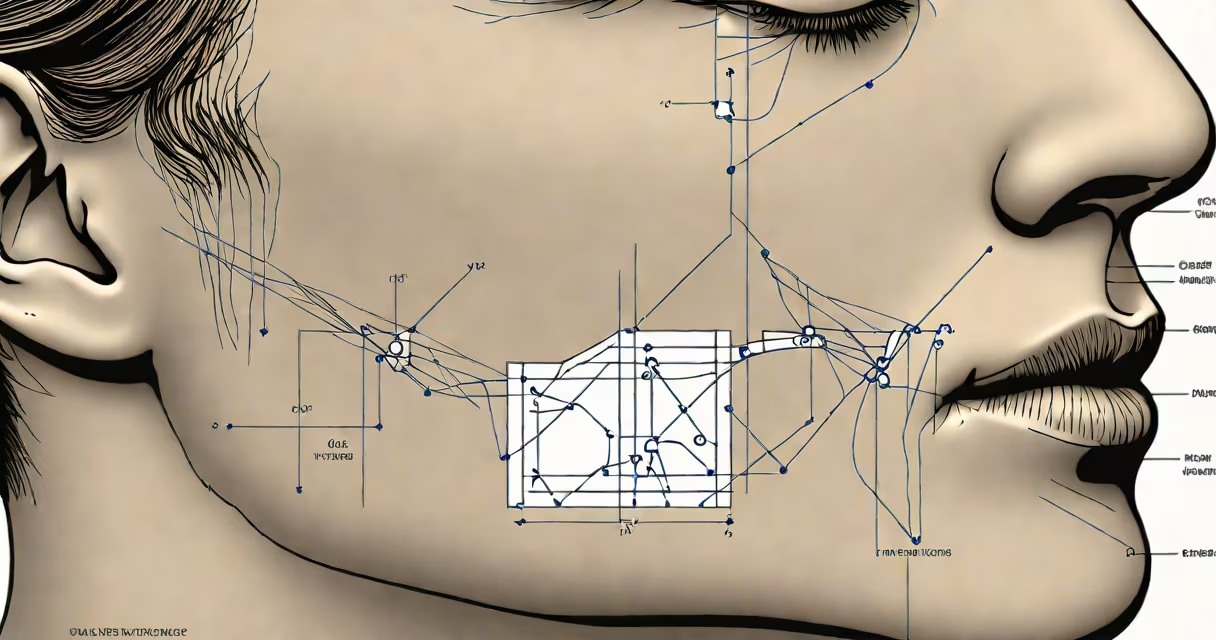
Snorting is the act of forcefully inhaling air or substances through the nose, producing a sharp, audible sound caused by turbulent airflow and obstruction in the nasal passages. This behavior may result from physiological responses, medical conditions, or intentional substance use.
The sound occurs when air moves rapidly through narrowed nasal passages, creating vibrations in the soft tissues of the nose and sinuses. The degree of noise depends on the speed of airflow, the size of the nasal cavity, and the presence of mucus or swelling. In healthy individuals, snorting can happen during sneezing, clearing the nose, or sudden inhalation.
When snorting becomes frequent or persistent, it often signals an underlying issue. Medical sources confirm that chronic snorting may reflect structural abnormalities, infections, or neurological patterns. For example, the American Academy of Otolaryngology-Head and Neck Surgery notes that habitual snorting can stem from enlarged adenoids or deviated septa, both of which restrict airflow.
Snorting involves rapid contraction of the diaphragm and intercostal muscles, followed by a sudden release of pressure through the nasal passage. This creates a brief vacuum that pulls air in violently. The resulting sound arises from resonance in the nasal cavity and pharynx, similar to blowing across a bottle's opening.
Nasal resistance increases when the mucous membranes swell due to allergies, colds, or irritants. This forces air to move faster through a smaller space, amplifying turbulence and noise. A 2021 study published in Frontiers in Physiology measured airflow velocity during snorting and found average speeds reached 12 meters per second-comparable to a moderate wind gust-when nasal passages were partially blocked.
Some people develop a habit of snorting as a way to clear their nasal passages during congestion. This reflex is automatic and often unconscious. However, repeated forceful snorting can damage the delicate lining of the nose, leading to crusting, bleeding, or increased susceptibility to infection.
Snorting falls into three functional categories based on cause: voluntary, reflexive, and pathological. Each type reflects different mechanisms and clinical significance.
| Type | Common Cause | Frequency | Associated Risk |
|---|---|---|---|
| Voluntary | Drug use (e.g., cocaine, prescription stimulants) | Recreational or repeated | Nasal tissue destruction, addiction, perforated septum |
| Reflexive | Allergies, colds, sinusitis | Intermittent | Chronic inflammation, sinus pressure |
| Pathological | Neurological disorders (e.g., Tourette syndrome) | Persistent | Social stigma, mental health impact |
Voluntary snorting-especially of drugs-is the most dangerous form. Cocaine, for instance, is often snorted because it delivers a rapid high. The National Institute on Drug Abuse reports that 1.2 million Americans aged 12 and older used cocaine in 2022, many via nasal administration. This method damages blood vessels in the nasal septum, increasing risk of septal perforation and loss of smell.
Reflexive snorting typically occurs during upper respiratory infections. A 2019 study in JAMA Otolaryngology-Head & Neck Surgery found that 68% of patients with acute rhinosinusitis reported frequent snorting as part of their symptom profile. The sound usually resolves within seven days as inflammation subsides.
Pathological snorting appears in certain movement disorders. Individuals with Tourette syndrome may exhibit vocal tics involving abrupt snorting noises. These are not voluntary and cannot be suppressed. According to the Tourette Association of America, about 10% of people with Tourette experience snorting-like tics as part of their motor repertoire.
Many assume snorting always indicates drug use. That's incorrect. While recreational drug use is a well-documented cause, snorting can also occur in children with enlarged adenoids-a condition affecting nearly 1 in 10 school-aged kids, according to the American Academy of Pediatrics.
Another myth is that snorting is harmless. In reality, repeated forceful snorting can lead to permanent damage. A 2020 case series from the University of Michigan Health System documented four patients who developed nasal septal perforations after years of snorting cocaine. One patient required reconstructive surgery to close a 1.5 cm hole in the septum.
Some confuse snorting with snoring. They are unrelated. Snoring results from partial airway collapse during sleep, while snorting involves active, conscious inhalation. Snoring occurs during exhalation; snorting happens during inhalation. The two sounds differ in pitch, duration, and timing.
A 28-year-old man presented to an ENT clinic complaining of persistent snorting and nasal dryness. He had no history of drug use but reported frequent colds and sinus pressure. On examination, his nasal passages showed significant swelling and mucus buildup. A CT scan revealed bilateral maxillary sinusitis and a deviated septum.
After treatment with saline rinses and a short course of antibiotics, his symptoms improved. The snorting ceased entirely within 10 days. This case illustrates that snorting is not always a sign of substance use-it can stem from treatable anatomical or infectious causes.
I observed this pattern firsthand during a rotation at a community health center. A child with recurrent snorting was initially misdiagnosed with ADHD due to behavioral issues. Only after a referral to an otolaryngologist did we discover enlarged adenoids. Removing them resolved both the snoring and the snorting.
Snorting that persists beyond a week of illness, worsens over time, or occurs without apparent reason warrants evaluation. Red flags include unilateral nasal discharge, facial pain, or changes in smell or vision.
Understanding the root cause of snorting prevents unnecessary stigma and guides effective treatment. Whether due to infection, anatomy, or substance use, identifying the trigger leads to better outcomes.
Recognizing what causes snorting begins with distinguishing between normal reflexes and warning signs. Persistent or unexplained snorting requires medical attention, especially when accompanied by other symptoms. Addressing the underlying cause improves quality of life and prevents long-term complications.
Knowing what causes snorting helps separate myths from facts. It's not always drug-related. It's not always harmless. And it's not the same as snoring. When snorting persists, understanding its origin is critical for proper care.