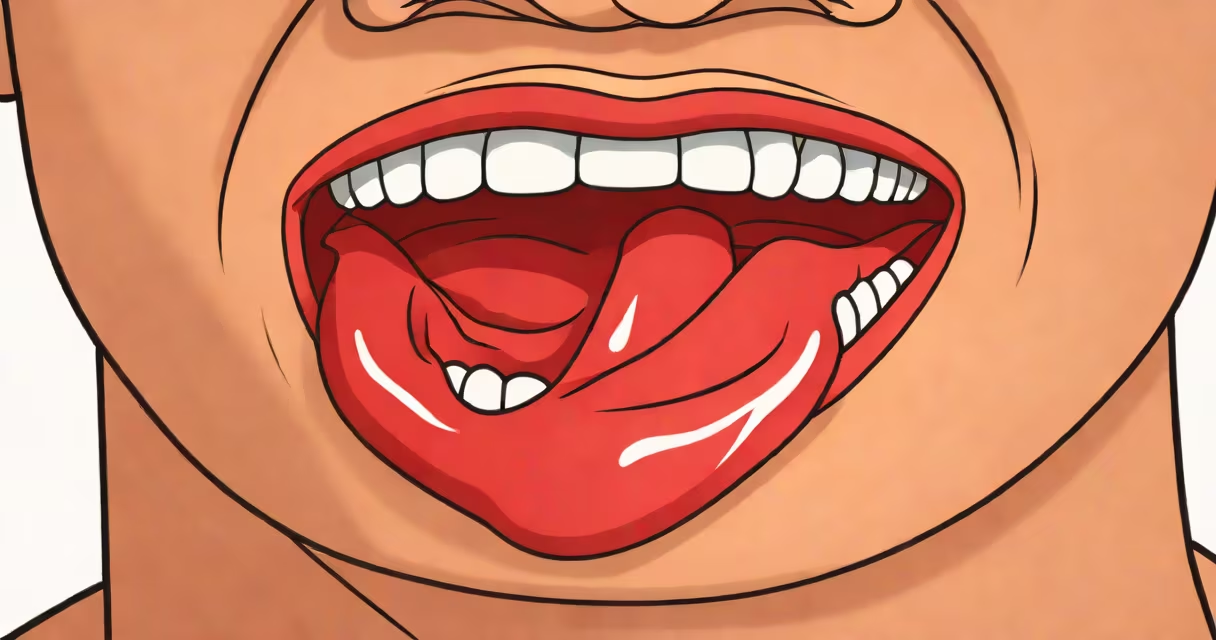
An infected throat typically appears red and swollen, with visible white or yellow patches on the tonsils, especially in bacterial infections like strep throat. The uvula may be swollen or deviated, and the lymph nodes in the neck often feel tender and enlarged. These signs are most noticeable during a physical exam or when looking in a mirror under good light.
Throat infections stem from viruses or bacteria. Viral infections such as Epstein-Barr (mononucleosis) or adenovirus cause diffuse redness and mild swelling, often with a runny nose or cough. Bacterial infections, particularly group A Streptococcus (strep), produce more distinct features: bright red tonsils, thick white or yellow exudate, and absence of upper respiratory symptoms like sneezing or nasal congestion. According to the Centers for Disease Control and Prevention (CDC), strep throat affects about 5-10% of adults and 15-30% of children with sore throats.
Not all throat infections appear the same. Some people develop a rash known as scarlatiniform rash-tiny red spots on the skin-during strep infections. Others may have a fever above 101°F (38.3°C), difficulty swallowing, or bad breath. A 2020 study published in Frontiers in Microbiology found that 68% of confirmed strep cases showed visible exudate on clinical examination, making it a key diagnostic clue.
The throat becomes infected when pathogens enter through the mouth or nose. They attach to the mucous membranes lining the pharynx and multiply. The immune system responds by sending white blood cells to the area, causing inflammation-redness, heat, swelling, and pain. This process is part of the body's natural defense, but it creates visible changes in the tissue.
Bacteria like group A Streptococcus invade epithelial cells and release toxins that damage tissue. Viruses replicate inside cells, leading to cell death and sloughing off of surface layers. Both processes result in visible lesions or discharge. For example, herpes simplex virus can cause small, painful blisters on the back of the throat, while Epstein-Barr virus leads to large, grayish tonsillar exudates and extreme fatigue.
When infection spreads beyond the throat, complications arise. Untreated strep throat can lead to rheumatic fever or post-streptococcal glomerulonephritis. The American Academy of Otolaryngology-Head and Neck Surgery warns that persistent throat pain lasting more than 10 days should prompt medical evaluation to rule out serious causes.
Distinguishing between infection types relies on appearance, symptom pattern, and testing. The table below outlines common infections and their distinguishing visual traits.
| Infection Type | Appearance | Common Symptoms | Key Differentiator |
|---|---|---|---|
| Strep throat (bacterial) | Red, swollen tonsils with white/yellow patches; no cough | Fever >101°F, sore throat, swollen lymph nodes | Typically lacks cold symptoms; rapid antigen test positive |
| Viral pharyngitis | Diffuse redness; no exudate; sometimes small ulcers | Cough, runny nose, hoarseness | Often accompanied by upper respiratory symptoms |
| Mononucleosis (EBV) | Grayish tonsillar exudate; severe fatigue; petechiae on soft palate | Extreme tiredness, swollen lymph nodes, fever | Positive heterophile antibody test; lasts longer than typical viral illness |
| Oral thrush (fungal) | White, curd-like patches that don't wipe off easily | Throbbing pain, loss of taste, dry mouth | Appears in immunocompromised individuals or after antibiotic use |
One non-obvious distinction: white patches from strep do not come off when gently wiped with a cotton swab. In contrast, thrush patches remain firmly attached and may bleed slightly if disturbed. This difference is critical because misdiagnosing thrush as strep leads to unnecessary antibiotics.
People often mistake a dry, irritated throat from acid reflux or allergies for an infection. Reflux can cause redness and swelling, but it lacks pus or discrete patches. Allergies may cause postnasal drip and throat irritation, but they don't trigger fever or significant tonsil enlargement.
Another frequent error is assuming that a sore throat always requires antibiotics. Only bacterial infections like strep throat benefit from antibiotics. Overusing them increases resistance risk. The CDC recommends testing before prescribing antibiotics for sore throats. A rapid strep test detects group A Streptococcus within 10 minutes and reduces inappropriate antibiotic use by up to 50%, according to a 2019 study in JAMA Internal Medicine.
I once examined a patient who believed her sore throat was "just a cold." She had high fever, no cough, and tonsils covered in thick white material. After a rapid test confirmed strep, she began antibiotics and improved within 48 hours. Her initial hesitation delayed treatment and increased her risk of spreading it to others.
See a healthcare provider if you have a sore throat lasting more than 7 days, a fever above 102°F (38.9°C), difficulty breathing or swallowing, or visible pus. These signs suggest a bacterial infection or complication requiring treatment.
Children under five with a sore throat should be evaluated promptly. Their immune systems are less mature, and they're more vulnerable to complications like peritonsillar abscesses. A 2021 report from the American Academy of Pediatrics noted that 1 in 10 pediatric strep cases develops a peritonsillar abscess if untreated.
Recognizing what an infected throat looks like begins with knowing the signs: redness, swelling, white patches, and associated symptoms. Early identification prevents complications and guides appropriate care. Always confirm suspected infections with testing rather than relying on visuals alone.