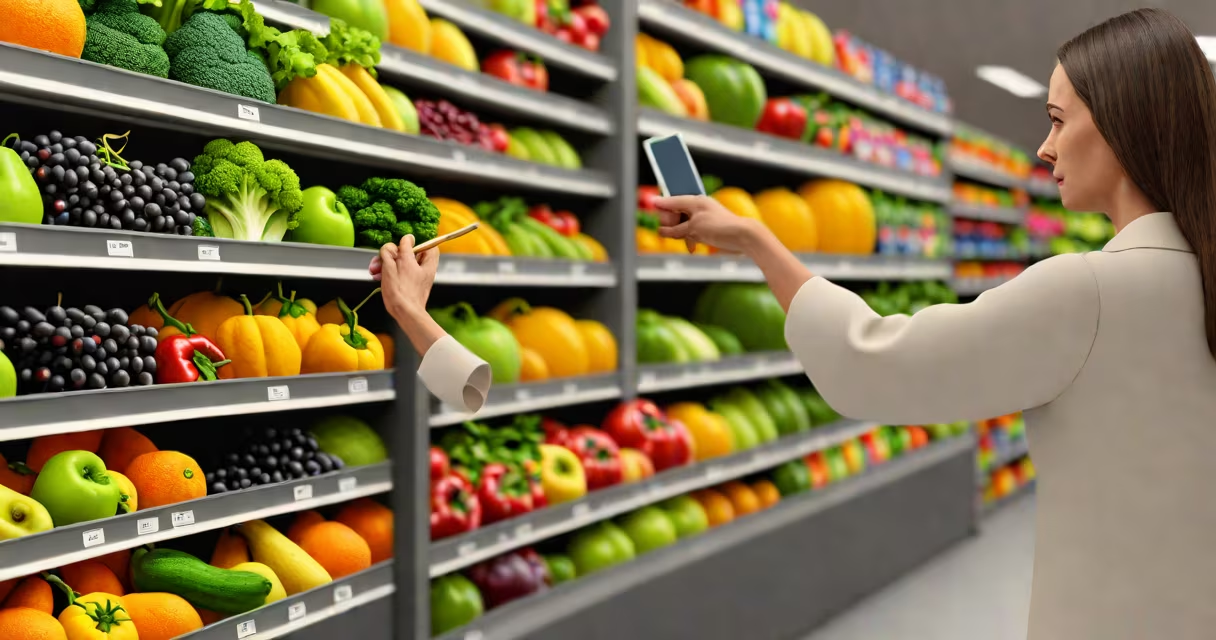
Eligible food items purchased with Supplemental Nutrition Assistance Program (SNAP) benefits include fresh produce, meat, poultry, fish, dairy products, grains, and seeds for growing food. SNAP does not cover hot foods, alcohol, tobacco, vitamins, or non-food items.
Snap benefits are issued via an Electronic Benefit Transfer (EBT) card, functioning like a debit card at authorized retailers. The U.S. Department of Agriculture (USDA) sets national rules governing what can be bought with EBT. These rules apply across all states, though state-specific programs may offer additional support.
For example, in 2023, the average monthly SNAP benefit per person was $250. This amount varies based on household size, income, and expenses. Benefits are deposited monthly and expire after 36 months if unused.
When you use your EBT card at a grocery store, the transaction is processed through the same systems as a regular debit card. The retailer must be certified by the USDA to accept EBT payments. Not all stores participate-check the USDA's authorized retailer list to confirm eligibility.
At checkout, the cashier swipes your card and enters the purchase amount. The system verifies funds in real time. If the balance is insufficient, the transaction fails. Some stores allow partial EBT use-meaning you can pay part of the bill with EBT and the rest with cash or another payment method.
For online grocery shopping, SNAP recipients in participating states can use EBT through approved platforms like Amazon, Walmart, and Instacart. The USDA requires that these services meet specific security and verification standards to prevent fraud.
SNAP-approved items fall into four categories: protein sources, dairy, produce, and staple foods. Examples include:
Items that are not eligible include:
A common misconception is that EBT covers restaurant meals. This is false. While some states run pilot programs allowing EBT use at select restaurants for elderly or disabled individuals, these are exceptions, not standard policy.
Many people assume that snack foods like chips or candy are allowed because they're sold in grocery stores. But SNAP rules prohibit purchasing non-nutritive snacks with EBT. Even if a store allows EBT use, the system blocks transactions for ineligible items.
Another frequent error: buying "ready-to-eat" meals from deli counters. These are typically excluded-even if the ingredients are nutritious. For example, a pre-made salad from a refrigerated case cannot be paid for with EBT unless it's sold as a raw ingredient package.
EBT cannot be used to buy food delivered to your home unless the retailer is enrolled in the USDA's SNAP Online Purchasing Pilot. As of 2024, 47 states and territories participate in this program. Without enrollment, delivery orders require alternative payment methods.
Consider a single adult receiving $300 in monthly SNAP benefits. They shop at a local supermarket with EBT acceptance. Their cart includes:
Total: $21.00. The EBT card deducts this amount automatically. The shopper pays the remaining $15.00 out of pocket. All items are eligible.
Now suppose they try to add a $5.00 energy drink. The system flags the item as ineligible. The transaction is declined. The customer must remove it or pay separately.
Some believe EBT can be used to buy food at convenience stores. While many convenience stores accept EBT, they often restrict purchases to eligible items. A 2022 USDA report found that 68% of convenience stores that accept EBT still limit access to basic groceries and exclude sugary snacks and fast food.
Another myth: EBT can be used to buy organic or specialty foods. This is true-but only if the product meets SNAP's nutritional criteria. Organic apples are eligible. Organic protein bars with added sugar may not be.
Finally, EBT does not cover meal kits or pre-portioned ingredient boxes. These are considered convenience items, even if they contain healthy ingredients. The USDA defines such products as non-eligible under current guidelines.
Only food items that are intended for home consumption and meet nutritional standards qualify for EBT. The program aims to improve access to nutritious food, not subsidize processed or ready-to-eat meals.
Always check the USDA's official SNAP eligibility page for updated rules. State agencies may have additional guidance, especially around online ordering and special programs.
Understanding what food you can get with EBT helps avoid frustration at checkout. Focus on whole foods-fruits, vegetables, proteins, grains-and avoid the temptation of non-eligible snacks and hot meals.