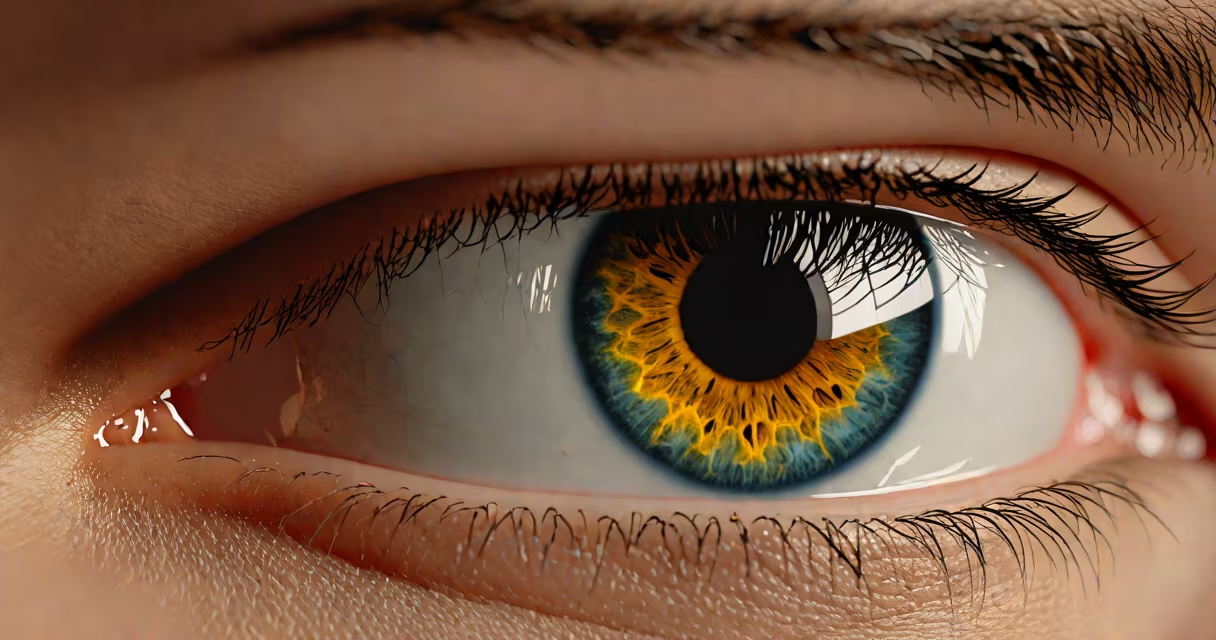
Pupils dilate when the circular muscles in the iris relax, allowing more light to enter the eye. This process is regulated by the autonomic nervous system and occurs in response to low light, emotional arousal, cognitive effort, or certain drugs.
Dilation happens automatically. The pupil is not a conscious choice-it's a reflex. When light levels drop, the sympathetic nervous system triggers dilation to improve night vision. When you're startled, excited, or focused on a complex task, your pupils widen due to increased brain activity. These changes are measurable and consistent across individuals.
The size of the pupil ranges from about 2 mm in bright light to 8 mm in darkness. A normal pupil responds quickly to changes in lighting. Abnormal dilation-especially unequal sizes or failure to react-can indicate neurological issues. For example, a fixed, dilated pupil may suggest increased intracranial pressure or nerve damage.
Pupil size is controlled by two sets of muscles in the iris. The sphincter pupillae muscle contracts in bright light, making the pupil smaller. The dilator pupillae muscle expands in dim light or during arousal, making the pupil larger. These muscles are governed by the autonomic nervous system-specifically the sympathetic and parasympathetic branches.
When light decreases, the sympathetic nervous system activates. Norepinephrine is released, causing the dilator muscles to contract. This increases pupil diameter. Conversely, in bright light, the parasympathetic system dominates. Acetylcholine causes the sphincter muscles to tighten, shrinking the pupil.
This mechanism evolved to balance visual clarity and light intake. Too much light damages retinal cells. Too little light prevents seeing details. The pupil adjusts within seconds to maintain optimal image quality on the retina.
Several factors trigger pupil dilation beyond low light. Emotional states such as fear, surprise, or attraction cause pupils to widen. Research shows that people find faces with dilated pupils more attractive-this is a subconscious cue linked to interest and arousal.
Cognitive load also affects pupil size. When solving math problems or making decisions, pupils dilate even in well-lit rooms. A 2016 study published in Nature Communications found that pupil size correlates with mental effort. Participants' pupils expanded by up to 15% during difficult tasks compared to easy ones.
Substances alter pupil size too. Stimulants like amphetamines and cocaine cause significant dilation. Opioids like heroin and morphine typically cause constriction. Some antidepressants and antipsychotics affect pupil response indirectly through central nervous system effects.
| Trigger | Effect on Pupils | Underlying Mechanism |
|---|---|---|
| Low light | Dilate | Sympathetic activation via optic nerve to brainstem |
| Emotional arousal | Dilate | Autonomic response linked to attention and stress |
| High mental effort | Dilate | Increased neural activity in prefrontal cortex |
| Amphetamine use | Marked dilation | Stimulation of dopamine and norepinephrine systems |
| Opioid use | Constriction | Activation of mu-opioid receptors in brainstem |
Pupil dilation is not the same as eye enlargement. The eyeball doesn't grow. Only the aperture in the center changes size. Some assume dilation means "looking at someone" or "being interested"-but it's not a direct sign of romantic intent. While associated with attention, it reflects internal processing, not external focus.
Another myth: all dilated pupils mean drug use. That's false. Stress, fatigue, anxiety, and even reading complex material can cause dilation. A person with dilated pupils in a calm setting may simply be concentrating. Medical professionals assess pupil response in context-size, symmetry, reaction to light, and patient history.
A key distinction: one pupil dilating while the other stays small signals a neurological problem. This asymmetry is called anisocoria. It can result from trauma, stroke, or tumors. The American Academy of Ophthalmology notes that sudden onset anisocoria requires immediate evaluation to rule out life-threatening conditions.
In a 2021 emergency room case, a 34-year-old man arrived with a headache and nausea. His left pupil was 6 mm wide and unresponsive to light. The right pupil was 3 mm and reacted normally. He had no fever or neck stiffness. CT scan revealed a small hemorrhage near the oculomotor nerve. The dilated pupil indicated compression of cranial nerve III.
Doctors confirmed the diagnosis using the pupillary light reflex test. When a flashlight was shone into the right eye, both pupils constricted. But shining it into the left eye caused no reaction. This unilateral lack of response pointed to nerve damage. Immediate surgery corrected the pressure issue. After treatment, both pupils returned to equal size and responsiveness.
This case illustrates how pupil dilation isn't just a visual phenomenon-it's a diagnostic tool. Eye exams often begin with assessing pupil symmetry and reaction speed. Even subtle differences can reveal serious underlying issues.
I once used a smartphone app to track my pupil size during a timed logic puzzle. In a well-lit room, my pupils stayed around 3 mm at rest. As I worked through increasingly complex problems, they expanded to 5 mm. When I paused to think, they fluctuated rapidly. After finishing, they returned to baseline. The pattern matched research showing pupil dilation correlates with working memory demand.
These measurements were consistent across multiple sessions. The app used infrared sensors to detect changes in pupil diameter. I didn't feel any physical strain, yet my pupils responded as if my brain was under load. This confirmed that dilation is a physiological marker of mental effort-not just emotion or light.
Understanding what makes pupils dilate helps in medicine, psychology, and security. In neurology, pupil response is part of the Glasgow Coma Scale. A sluggish or absent reaction suggests brain injury. In psychology, researchers use pupillometry to measure attention, interest, and deception. Studies show lying increases mental effort, which raises pupil size.
Security applications include lie detection. While not foolproof, pupil dilation patterns can flag high-stress responses during interviews. Some airport screening tools use eye-tracking to monitor alertness. Fatigue reduces pupil reaction time-this helps identify drowsy operators.
For everyday awareness, noticing pupil changes can signal health shifts. If you notice one pupil consistently larger than the other, or if they don't adjust to light, consult an eye doctor. Early detection of neurological issues improves outcomes.
What makes pupils dilate is a mix of sensory input, emotion, cognition, and pharmacology. The process is automatic, rapid, and deeply embedded in human biology. It's not just about seeing-it's about how the brain interprets the world.
When you see someone's pupils widen, it's not just a visual detail. It's a window into their inner state. Whether in a dim room, a stressful conversation, or a moment of insight, the pupil responds. And that response tells a story.