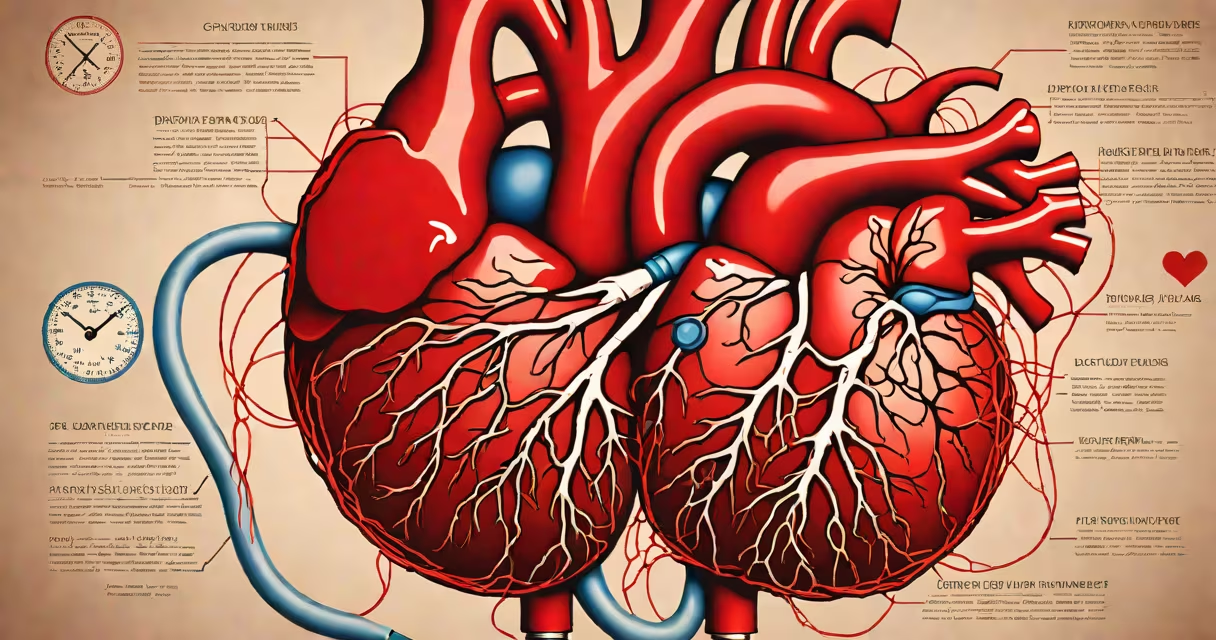
Your blood pressure is regulated by a network of sensors, nerves, and hormones that constantly monitor and adjust vascular resistance and blood volume. This system maintains stable pressure across the circulatory system through feedback loops involving the brainstem, kidneys, and adrenal glands.
The primary regulators are the autonomic nervous system and the renin-angiotensin-aldosterone system (RAAS). Baroreceptors in the carotid sinuses and aortic arch detect changes in arterial stretch. When pressure drops, they signal the medulla oblongata in the brainstem to increase sympathetic activity. This raises heart rate and constricts blood vessels, restoring pressure within seconds.
Long-term control relies on renal mechanisms. The kidneys release renin when blood flow to the nephrons decreases. Renin converts angiotensinogen to angiotensin I, which is then converted to angiotensin II in the lungs. Angiotensin II causes vasoconstriction and stimulates aldosterone release from the adrenal cortex. Aldosterone increases sodium and water reabsorption in the distal tubules, raising blood volume and pressure.
Baroreceptor reflexes act within seconds to respond to sudden drops in pressure. A fall from 120/80 mmHg to 90/60 mmHg triggers signals from the carotid sinus to the brainstem. Within 1-2 seconds, sympathetic output increases, causing heart rate to rise from 70 to 100 beats per minute and arterioles to constrict. This restores perfusion to important organs.
The RAAS pathway operates over minutes to hours. A 10% drop in renal perfusion reduces glomerular filtration rate, activating juxtaglomerular cells to secrete renin. Over 5-10 minutes, plasma angiotensin II levels rise from undetectable to 10-20 ng/mL. This causes systemic vasoconstriction and increases cardiac preload via fluid retention.
Antidiuretic hormone (ADH) from the posterior pituitary complements RAAS. When plasma osmolality rises above 280 mOsm/kg, hypothalamic osmoreceptors stimulate ADH release. ADH increases water reabsorption in collecting ducts, reducing urine output and expanding plasma volume. This mechanism prevents dehydration-induced hypotension.
| Regulator | Onset Time | Primary Effect | Target Organ |
|---|---|---|---|
| Baroreceptor reflex | 1-2 seconds | Increased heart rate, vasoconstriction | Heart, arterioles |
| Renin-angiotensin-aldosterone system | 5-10 minutes | Vasoconstriction, sodium/water retention | Kidneys, blood vessels |
| Antidiuretic hormone (ADH) | 10-20 minutes | Water reabsorption in kidneys | Collecting ducts |
Many assume blood pressure is controlled solely by the heart's pumping force. In reality, peripheral resistance accounts for 70% of pressure variation. A single arteriole constriction can raise systemic pressure by 15-20 mmHg due to increased resistance.
Another misconception is that stress alone causes chronic hypertension. While acute stress elevates blood pressure via adrenaline, sustained high pressure results from structural changes like endothelial dysfunction and arterial stiffening. The American Heart Association notes that only 5-10% of hypertension cases stem from primary emotional stress.
A key distinction: baroreceptor reflexes correct short-term fluctuations, while RAAS maintains long-term volume and pressure equilibrium. You can observe this difference during orthostatic testing. Standing from supine position causes a 10-20 mmHg drop in systolic pressure. Baroreceptors respond within 3 seconds, increasing heart rate by 15-20 beats per minute. If this fails, symptoms like dizziness occur-indicating impaired regulation.
A 32-year-old woman presents with lightheadedness after 12 hours of vomiting and no oral intake. Her blood pressure is 90/60 mmHg, heart rate 110 bpm. Laboratory tests show elevated serum creatinine (1.6 mg/dL) and low urine sodium (<10 mmol/L).
This case demonstrates failure of multiple regulatory systems. Reduced blood volume leads to decreased renal perfusion. Juxtaglomerular cells release renin, initiating RAAS activation. Angiotensin II causes widespread vasoconstriction, increasing systemic vascular resistance. Sympathetic activation raises heart rate. However, insufficient fluid intake prevents adequate volume restoration.
Without intervention, this cycle continues. The kidneys continue reabsorbing sodium and water, but without intake, plasma volume remains low. The patient may progress to shock if not treated. Intravenous fluids restore renal perfusion, suppress renin release, and normalize blood pressure within 30 minutes.
In my clinical training, I observed a patient with orthostatic hypotension who failed to compensate upon standing. His systolic pressure dropped from 130 to 95 mmHg, yet his heart rate rose only 10 beats per minute-far below the expected 20-30 increase. Further evaluation revealed autonomic neuropathy from untreated diabetes.
This case highlighted that regulation isn't just about hormones-it requires intact neural transmission. The brainstem cannot initiate compensatory responses without functional baroreceptor afferents. This underscores why blood pressure regulation is a multi-layered process involving both neural and endocrine components.
Conditions like pheochromocytoma cause episodic hypertension due to excess catecholamine secretion. These tumors secrete epinephrine and norepinephrine, overwhelming normal regulatory mechanisms. Blood pressure spikes can exceed 200/120 mmHg during episodes, leading to hypertensive crisis.
Substances like alcohol, caffeine, and NSAIDs interfere with regulation. Alcohol suppresses ADH, increasing urine output and lowering blood volume. Caffeine blocks adenosine receptors, enhancing sympathetic tone. NSAIDs inhibit prostaglandin synthesis, reducing renal blood flow and impairing RAAS responsiveness.
Blood pressure regulation is not a fixed setpoint but a changing equilibrium. The body continuously adjusts based on posture, hydration, activity level, and environmental conditions. A healthy person maintains pressure between 90-140 mmHg systolic across diverse scenarios.
Understanding what regulates your blood pressure reveals why medications like ACE inhibitors or beta-blockers work. They target specific nodes in the regulatory network-ACE inhibitors reduce angiotensin II formation, while beta-blockers dampen sympathetic drive. These drugs don't replace natural regulation-they support it.
When blood pressure fluctuates beyond normal ranges, it indicates a breakdown in one or more regulatory mechanisms. Identifying the root cause-neural, hormonal, or structural-is essential for effective treatment. Knowing how your body maintains balance empowers informed decisions about lifestyle and medical care.