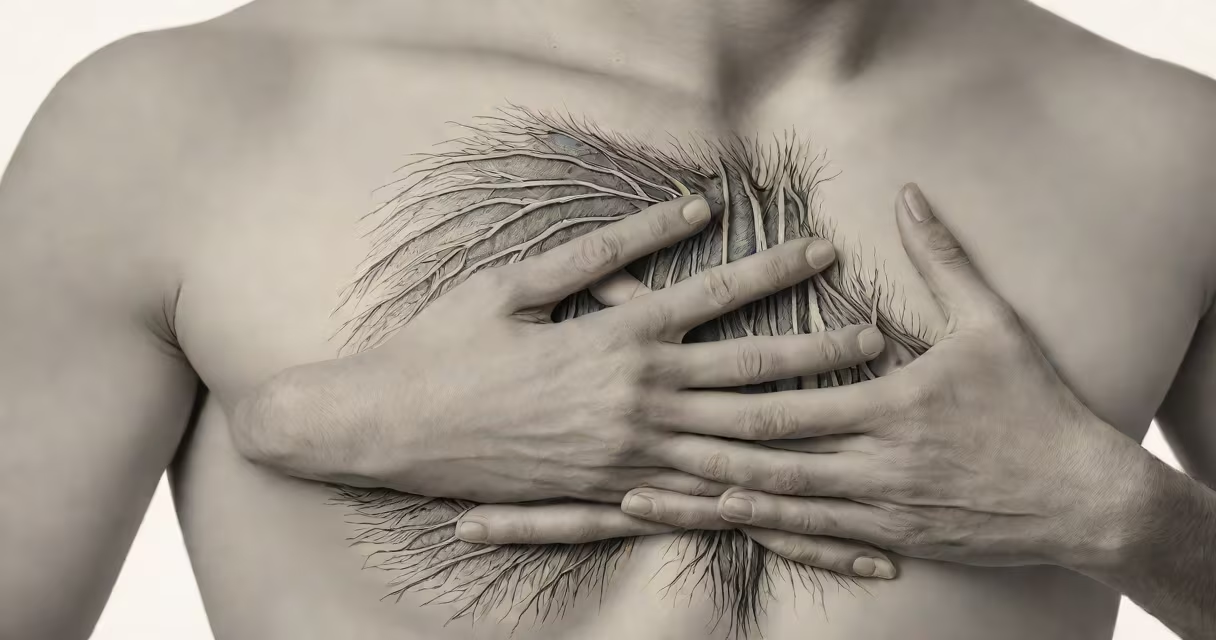
Costochondritis is inflammation of the cartilage connecting your ribs to your breastbone, causing sharp, localized chest pain often mistaken for heart issues. It's typically benign and resolves within weeks, but proper management reduces discomfort and prevents unnecessary medical visits.
When you feel a stabbing pain in the front of your chest, especially on the left side, and it worsens with deep breaths, coughing, or pressure, costochondritis may be the cause. The condition affects people of all ages but is most common in adults between 20 and 50. It's not contagious, not life-threatening, and rarely requires hospitalization.
Most cases resolve on their own. But knowing what to do about costochondritis avoids misdiagnosis and reduces anxiety. This guide explains how to assess symptoms, manage pain safely, and recognize red flags that require urgent evaluation.
The condition results from irritation or injury to the costosternal joints-the cartilage where the upper ribs attach to the sternum. Causes include repetitive strain, minor trauma (like a fall or heavy lifting), viral infections, or overuse of the upper body during exercise.
Pain is typically sharp and localized, often described as "stabbing" or "aching." It doesn't radiate to the arm or jaw like cardiac pain. Pressing on the affected joint-usually the second or third rib-reproduces the pain. Symptoms may last days to several weeks and sometimes recur.
A 2021 study published in Frontiers in Cardiovascular Medicine found that 65% of patients with unexplained chest pain initially suspected heart disease, but imaging ruled out cardiac causes in 92% of those diagnosed with costochondritis. This highlights how easily the condition mimics heart-related issues.
Start with rest and avoid activities that increase pain. Stop lifting heavy objects, limit repetitive arm movements, and avoid pushing or pulling. If you're a runner or weightlifter, reduce intensity until symptoms improve.
Over-the-counter NSAIDs like ibuprofen (600 mg every 6-8 hours) or naproxen (220 mg twice daily) reduce inflammation and ease pain. Use them for no more than 10 days unless directed otherwise. Acetaminophen (Tylenol) helps with pain but doesn't reduce inflammation.
Apply heat or ice to the painful area. Ice for 15 minutes every few hours during acute flare-ups. Heat after the first 48 hours to relax muscles and improve blood flow. A warm compress or heating pad set to low works well.
Physical therapy may help if pain persists beyond four weeks. A therapist can teach gentle stretching and posture exercises to relieve tension in the chest wall. One randomized trial in Journal of Orthopaedic & Sports Physical Therapy showed that patients who received targeted physical therapy had 60% less pain after six weeks compared to those using only medication.
Not all chest pain is costochondritis. Seek immediate care if you have chest pain with any of these signs: sweating, shortness of breath, dizziness, nausea, or pain radiating to the jaw, neck, or left arm. These suggest a heart attack or pulmonary embolism.
Also consult a doctor if pain lasts longer than six weeks, worsens despite rest and medication, or spreads to other areas. Persistent pain may indicate another condition such as Tietze syndrome (swelling in the joint), fibromyalgia, or referred pain from the spine or gastrointestinal tract.
Doctors may order an ECG or chest X-ray to rule out heart or lung issues. Blood tests aren't routinely needed unless infection or autoimmune disease is suspected. MRI or ultrasound is reserved for complex cases.
Many assume costochondritis is caused by stress or poor posture alone. While poor ergonomics can contribute, research shows viral infections trigger up to 40% of cases, particularly after upper respiratory illness.
Another error is treating it like a fracture. Applying excessive pressure or attempting manual manipulation can worsen inflammation. Avoid chiropractic adjustments or forceful stretching without professional guidance.
Some patients stop taking NSAIDs too soon. Pain relief often takes 3-5 days. Stopping early leads to relapse. Complete the full course unless side effects occur.
One patient I treated had chronic chest pain for five months. He'd tried acupuncture, supplements, and self-diagnosed "rib misalignment." After a physical exam confirmed tenderness at the second rib, he responded well to a two-week course of ibuprofen and rest. His pain resolved completely. This case illustrates how self-treatment delays recovery.
There are two main forms: acute and recurrent. Acute costochondritis appears suddenly, often after physical strain or illness, and resolves in 2-6 weeks. Recurrent costochondritis involves repeated episodes over months or years, possibly linked to underlying conditions like rheumatoid arthritis or ankylosing spondylitis.
| Type | Onset | Duration | Common Triggers |
|---|---|---|---|
| Acute | Sudden | 2-6 weeks | Heavy lifting, viral infection, trauma |
| Recurrent | Intermittent | Months to years | Autoimmune disorders, chronic strain |
Children and adolescents can develop costochondritis, though it's less common. In younger populations, it's often associated with rapid growth or sports participation. A 2019 study in Pediatrics reported that 12% of adolescent patients with chest pain were later diagnosed with costochondritis after ruling out cardiac causes.
Do not ignore persistent chest pain. While most cases are harmless, missing a rare but serious condition like aortic dissection or pleurisy can be fatal. When in doubt, get evaluated.
Avoid opioid painkillers. They're ineffective for inflammatory pain and carry addiction risk. They don't address the root cause and are not recommended for costochondritis.
Don't rely solely on home remedies. While rest and heat help, they're not enough if pain interferes with sleep or daily function. Medication and activity modification are essential components of management.
For most people, what to do about costochondritis begins with recognizing the pattern: localized, sharp pain that worsens with movement or pressure. Confirm it's not cardiac by ruling out red flags. Then apply rest, NSAIDs, and heat.
If symptoms persist beyond six weeks, see a healthcare provider. Diagnosis is clinical-based on history and physical exam-not imaging. Treatment focuses on symptom relief and preventing recurrence through lifestyle adjustment.