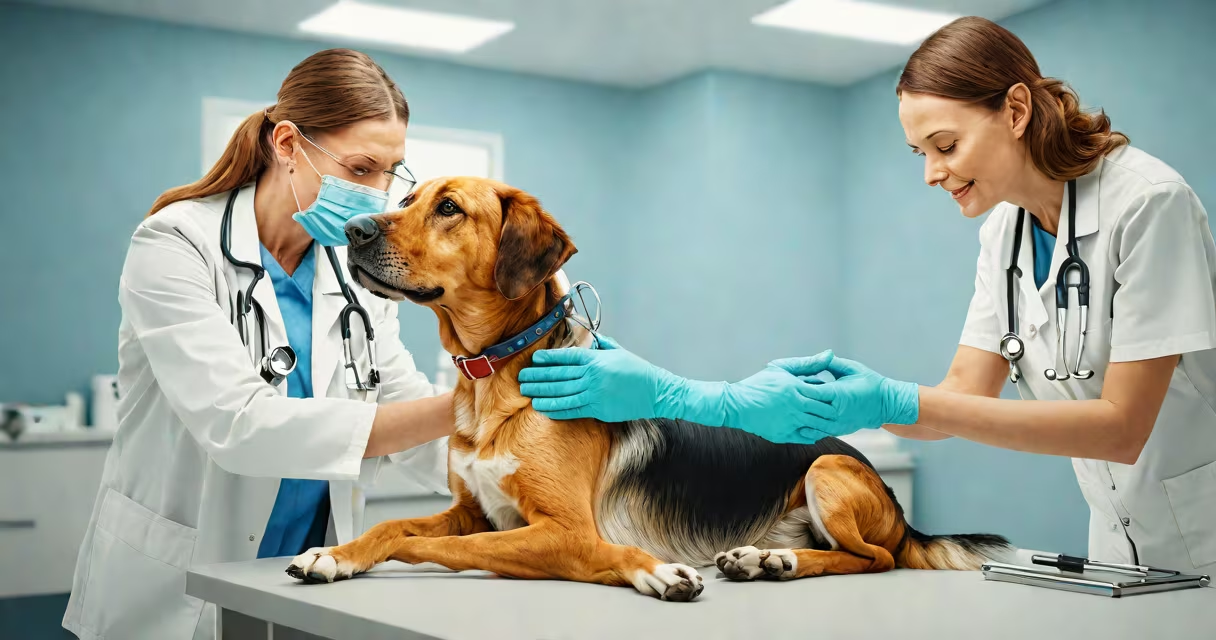
Your dog needs core vaccines-distemper, adenovirus, parvovirus, and rabies-plus non-core vaccines based on exposure risk. Core vaccines are essential for all dogs; non-core ones depend on location, lifestyle, and disease prevalence.
The American Veterinary Medical Association (AVMA) defines core vaccines as those recommended for all dogs regardless of lifestyle due to high risk of disease, severe outcomes, or zoonotic potential. Non-core vaccines are optional and applied based on individual risk factors such as travel, boarding, or exposure to other animals.
Dogs receive their first round of core vaccines between 6 and 8 weeks of age. Boosters follow every 3 to 4 weeks until 16 weeks old. After that, revaccination intervals vary-some vaccines last 3 years, others require annual boosters. The timing depends on vaccine type, manufacturer guidelines, and local regulations.
Vaccines train the immune system to recognize and fight specific pathogens without causing illness. They contain weakened or inactivated viruses, viral proteins, or genetic material that mimic the real pathogen. When introduced, the body produces antibodies and memory cells. If exposed later, the immune response is rapid and effective.
For example, the modified-live parvovirus vaccine contains a live but attenuated version of the virus. It replicates slightly in the dog's body, triggering a strong immune reaction without causing disease. This prepares the dog's system to neutralize the actual virus if encountered.
Immunity takes about 10 to 14 days to develop after vaccination. During this window, dogs remain vulnerable. That's why puppies receive multiple doses-maternal antibodies interfere with early immunity, so series boosters ensure protection is established.
Core vaccines are universally recommended. Non-core vaccines are situation-dependent. The distinction prevents unnecessary injections and reduces risk of adverse reactions.
| Vaccine Type | Target Disease | Recommended For | Frequency |
|---|---|---|---|
| Core | Canine distemper | All dogs | Every 3 years after initial series |
| Core | Adenovirus (hepatitis) | All dogs | Every 3 years after initial series |
| Core | Parvovirus | All dogs | Every 3 years after initial series |
| Core | Rabies | All dogs (state law required) | Varies by state; often 1 year then 3-year intervals |
| Non-core | Leptospirosis | Dogs in rural areas or near water | Annually |
| Non-core | Bordetella (kennel cough) | Dogs in shelters, boarding, grooming | Every 6-12 months |
| Non-core | Canine influenza | Dogs in high-density environments | Annually or twice yearly depending on risk |
Leptospirosis is a bacterial disease spread through urine from infected wildlife. It causes liver and kidney failure. In parts of the U.S., especially the Midwest and Southeast, incidence rates exceed 5 cases per 10,000 dogs annually. A 2022 study in Journal of the American Veterinary Medical Association found that unvaccinated dogs in endemic regions had a 3.8 times higher risk of infection.
Many owners assume all vaccines are equally urgent. But skipping non-core vaccines doesn't increase risk for every dog. A city-dwelling dog that never visits dog parks or shelters may not need bordetella. Over-vaccinating increases the chance of rare side effects like autoimmune reactions or injection-site sarcomas.
Vaccinations are administered at veterinary clinics during wellness exams. They're part of preventive care, not treatment. The goal is to stop diseases before they spread.
Rabies vaccination is legally mandated in all 50 states. Failure to comply can result in quarantine, fines, or euthanasia if a dog bites someone. In 2021, the CDC reported 2,747 animal rabies cases in the U.S., with 18 human exposures. All confirmed cases involved unvaccinated animals.
Boarding facilities, doggy daycares, and grooming salons often require proof of bordetella and parvovirus vaccines. These venues reduce transmission risk by ensuring most animals are protected. A 2020 study in Preventive Veterinary Medicine showed that facilities requiring kennel cough vaccination had 60% fewer outbreaks than those without requirements.
Some believe "natural immunity" from surviving a disease is better than vaccine-induced immunity. This is false. Surviving distemper or parvovirus often results in permanent neurological damage or death. Parvovirus mortality in untreated dogs exceeds 90%. Vaccines prevent both death and long-term complications.
Another myth is that vaccines cause autism-like symptoms in dogs. There is no scientific evidence linking vaccines to behavioral disorders. The AVMA and the World Small Animal Veterinary Association (WSAVA) both confirm that adverse events are extremely rare-about 1 in 10,000 to 1 in 100,000 vaccinations.
I once observed a puppy with severe vomiting and diarrhea at a shelter. Blood tests confirmed parvovirus. Despite aggressive treatment, the dog died within 48 hours. The owner had skipped the second booster due to cost concerns. The vaccine was available free at a local clinic. This case underscores that skipping even one dose leaves dogs vulnerable.
Vaccination schedules aren't set in stone. They evolve with new research and changing disease patterns. The American Animal Hospital Association (AAHA) updated its canine vaccine guidelines in 2023, recommending extended intervals for core vaccines based on antibody testing.
For example, instead of giving a distemper booster every year, some veterinarians now test antibody titers. If levels remain high, the dog may not need a booster for 5 years. This approach reduces over-vaccination while maintaining protection.
Titers measure antibody concentration. A titer above 1:160 for distemper indicates strong immunity. If titers fall below, a booster is recommended. Not all clinics offer titers, but they're increasingly available and covered by some insurance plans.
What vaccinations does my dog need depends on health status, environment, and regional disease prevalence. Core vaccines are non-negotiable. Non-core ones should be chosen based on risk-not fear or misinformation.