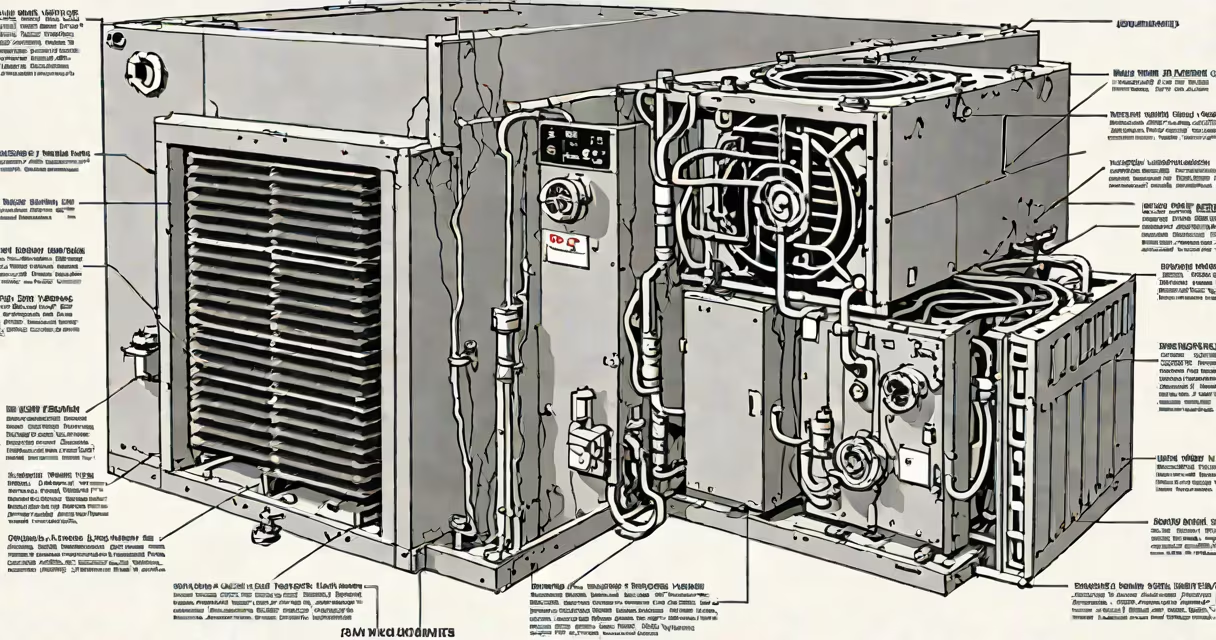
Mold in an AC appears as dark green, black, or gray fuzzy or slimy patches on cooling coils, drain pans, or inside ductwork. It grows in moist, dark areas where condensation accumulates, especially in units that run frequently during humid seasons.
Visible mold typically forms on wet surfaces within the indoor unit, such as the evaporator coil or the drain pan. The color ranges from dark greenish-black to brownish-gray, often with a velvety or powdery texture. In advanced stages, it may appear slimy or form dense mats that clog drainage paths.
According to the Environmental Protection Agency (EPA), mold spores thrive in environments with relative humidity above 60% and temperatures between 77°F and 86°F-conditions common in poorly drained AC systems. When moisture builds up due to blocked drains or dirty filters, mold colonies can grow rapidly, sometimes becoming visible within 7-10 days of sustained dampness.
Mold requires moisture, organic material, and warmth to grow. In an AC system, the evaporator coil cools incoming air, causing water vapor to condense. This condensation collects in the drain pan and flows through the drain line. If the pan or line becomes clogged, water pools and creates ideal conditions for mold.
Organic debris-dust, skin cells, pollen, and fibers-accumulates on coils and in pans over time. These materials serve as food for mold. When combined with stagnant water, they support rapid microbial growth. A single mold spore can multiply into a visible colony in less than a week under favorable conditions.
I once inspected an older central AC unit in a suburban home where the drain line had collapsed due to rodent damage. The drain pan was filled with standing water and covered in thick black mold. The homeowner reported persistent coughing and sinus issues during cooling season. After cleaning and replacing the line, symptoms improved within two weeks.
Several mold species commonly grow in AC systems. The most frequent is *Aspergillus niger*, which appears as dark, soot-like spots. *Stachybotrys chartarum*-often called "black mold"-forms slimy, dark greenish-black masses and is associated with respiratory irritation. *Penicillium* species show up as blue-green fuzz and are known for producing airborne spores.
| Mold Type | Color & Texture | Typical Location in AC | Health Risk Level |
|---|---|---|---|
| Aspergillus niger | Black, powdery, granular | Evaporator coil, blower compartment | Medium (respiratory irritation) |
| Stachybotrys chartarum | Dark greenish-black, slimy when wet | Drain pan, drip tray, duct seams | High (toxic mycotoxins in rare cases) |
| Penicillium | Blue-green, fluffy or fuzzy | Filter housing, air ducts | Low to medium (allergenic) |
Not all mold is visible. Some colonies grow beneath insulation or behind panels, detectable only by odor or reduced airflow. A musty smell near vents or in rooms after AC startup is a strong indicator of hidden mold.
Mold primarily develops in three locations: the evaporator coil, the drain pan, and the ductwork. The coil is the most vulnerable because it stays cold and wet for hours during each cooling cycle. Drain pans collect water daily and can harbor mold if not cleaned monthly.
Many homeowners never inspect the interior of their AC units. The access panel is usually hidden behind a wall or in a basement ceiling. Even HVAC technicians may overlook mold if they don't remove the front cover and use a flashlight or borescope.
A key distinction: mold is not the same as dust or dirt. Dust appears as fine, dry particles. Mold has a distinct texture-fuzzy, slimy, or web-like-and often emits a sour or earthy odor. Some people confuse mold with rust or mineral deposits, but those do not grow or spread.
In a 2021 study published by the American Society of Heating, Refrigerating, and Air-Conditioning Engineers (ASHRAE), 38% of sampled residential AC units showed visible mold in the drain pan or on the evaporator coil. One case involved a 12-year-old split-system AC in Florida. The homeowner noticed a persistent musty smell and reduced cooling efficiency.
Upon inspection, the technician found a 3-inch-wide patch of black mold on the drain pan, with visible strands extending into the drain line. The pan had not been cleaned in five years. The evaporator coil had a thin layer of greenish fuzz. After cleaning with a 10% vinegar solution and replacing the drain line, airflow returned to normal, and the odor disappeared.
The EPA warns that mold exposure can trigger asthma attacks, allergic rhinitis, and chronic fatigue. Individuals with compromised immune systems face higher risks. Regular maintenance reduces mold formation by 80%, according to ASHRAE data.
Prevent mold by changing filters every 30-60 days, cleaning the drain pan quarterly, and ensuring the drain line is clear. Use a flashlight to check the evaporator coil and pan annually. If you see discoloration or smell mildew, shut off the unit and call a professional.
Do not attempt to clean mold with bleach unless trained. Bleach kills surface spores but doesn't penetrate porous materials. It can also react with organic matter to produce harmful chlorinated compounds. The EPA recommends using a HEPA-filter vacuum and a 50/50 mix of white vinegar and water for safe cleaning.
If mold is widespread or recurring, consider installing a UV-C light in the ductwork. Studies show UV-C reduces mold spore counts by up to 90% in HVAC systems. However, it must be installed correctly and maintained regularly.
Understanding what mold in an AC looks like prevents health risks and equipment failure. Early detection saves repair costs and improves indoor air quality. Recognizing the signs-dark patches, musty odors, reduced airflow-enables timely action before mold spreads.