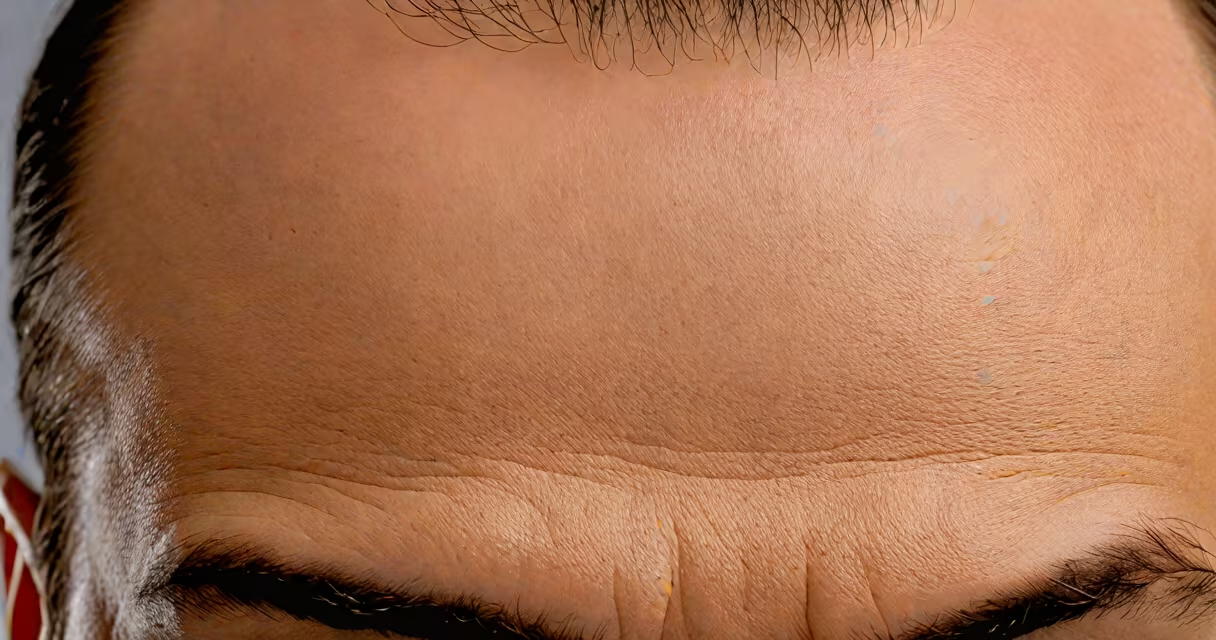
A receding hairline results from a combination of genetics, hormonal activity, and aging, primarily due to androgenetic alopecia-a condition where hair follicles shrink in response to dihydrotestosterone (DHT). This process causes gradual thinning and loss starting at the temples and moving backward along the hairline.
Androgenetic alopecia affects about 50% of men by age 50, according to the American Academy of Dermatology Association. The condition is not caused by poor hygiene, stress alone, or shampoo choice. Instead, it stems from a sensitivity of scalp hair follicles to DHT, a hormone derived from testosterone. When DHT binds to receptors in genetically susceptible follicles, it shortens the growth phase (anagen phase) and eventually leads to miniaturization-where hairs become finer and shorter until they stop growing entirely.
Receding hairlines typically begin in late adolescence or early adulthood. A 2021 study published in the Journal of Clinical and Aesthetic Dermatology found that 60% of men experiencing hairline recession had a family history of similar patterns. This confirms the strong hereditary component. The process often starts subtly-noticeable only through changes in part lines or increased visibility of the scalp-but progresses steadily over years.
The recession follows a predictable pattern known as Norwood-Hamilton classification. Stage 1 shows no visible recession. By Stage 2, a slight dip appears at the temples. Stage 3 features a noticeable "M" shape. As progression continues, the hairline moves further back, forming a horseshoe pattern around the sides and crown. By Stage 7, most of the front and top of the scalp is bald.
Each stage reflects increasing follicular damage. Once follicles enter a resting state (telogen phase) and fail to regrow, they remain dormant unless treated. This is why early intervention matters-before irreversible miniaturization occurs.
For example, a 28-year-old man may notice his part line shifting forward slightly. Over two years, he observes more scalp exposure when looking in the mirror. He consults a dermatologist who confirms early-stage androgenetic alopecia via dermoscopy. At this point, treatments like minoxidil or finasteride can slow progression and sometimes restore limited regrowth.
While androgenetic alopecia is the most common cause, other conditions can mimic or accelerate hairline thinning:
| Type | Trigger | Onset | Distinguishing Feature |
|---|---|---|---|
| Androgenetic Alopecia | Genetics + DHT sensitivity | Teens to 30s | Gradual M-shaped recession |
| Frontal Fibrosing Alopecia | Autoimmune inflammation | 40s-60s | Sudden, permanent recession with eyebrow loss |
| Traction Alopecia | Chronic pulling from tight styles | Any age | Uneven recession, often with scarring |
| Scarring Alopecia | Inflammatory disease damaging follicles | Variable | Irreversible loss with visible scar tissue |
Frontal fibrosing alopecia is particularly underdiagnosed. It affects postmenopausal women more frequently but can occur in men. It presents as a unilateral or bilateral recession with a sharp, well-defined edge. Unlike androgenetic alopecia, it involves immune system attacks on follicles and often includes loss of eyebrows. Early diagnosis prevents further damage.
One key distinction often missed: hairline recession due to androgenetic alopecia is symmetrical and gradual. If one side recedes faster than the other, or if there's sudden patchiness, it may indicate another condition such as alopecia areata or infection. A dermatologist can differentiate using trichoscopy or biopsy.
Many assume that washing hair too often causes recession. The American Academy of Dermatology Association states that frequent shampooing does not affect hair loss. Hair shedding during washing is normal-about 50-100 strands daily. Excessive shedding over weeks may signal telogen effluvium, triggered by illness, surgery, or extreme dieting-not routine washing.
Another myth is that wearing hats causes hairline recession. Hats don't block oxygen or suffocate follicles. However, tight-fitting hats worn constantly can contribute to traction alopecia. The key factor is mechanical stress, not heat or lack of airflow.
I once observed a client who believed his hairline was receding due to stress from a new job. He reported losing 150 strands per day during a three-month period. After blood tests revealed low iron and vitamin D levels, supplementation restored his hair cycle. His hairline didn't regress-it had entered temporary shedding due to nutritional deficiency. This case highlights that not all hair loss is permanent or genetic.
Early action improves outcomes. Treatments like finasteride (1 mg daily) reduce DHT levels by 70%, according to a 2018 clinical trial in the New England Journal of Medicine. Minoxidil (topical solution) extends the anagen phase and stimulates blood flow to follicles. Both require consistent use-results appear after 3-6 months, with maintenance needed long-term.
Advanced options include platelet-rich plasma (PRP) injections and low-level laser therapy. PRP uses the patient's own blood serum to stimulate follicular activity. A 2020 review in Dermatologic Surgery found that 70% of patients showed improved hair density after six sessions. These treatments are not cures but can delay progression and improve regrowth.
For those considering surgical options, hair transplant procedures involve relocating healthy follicles from the back of the scalp to the receding area. Success rates exceed 90% in experienced hands, per the International Society of Hair Restoration Surgery. However, transplants do not stop future loss-they only redistribute existing healthy hair.