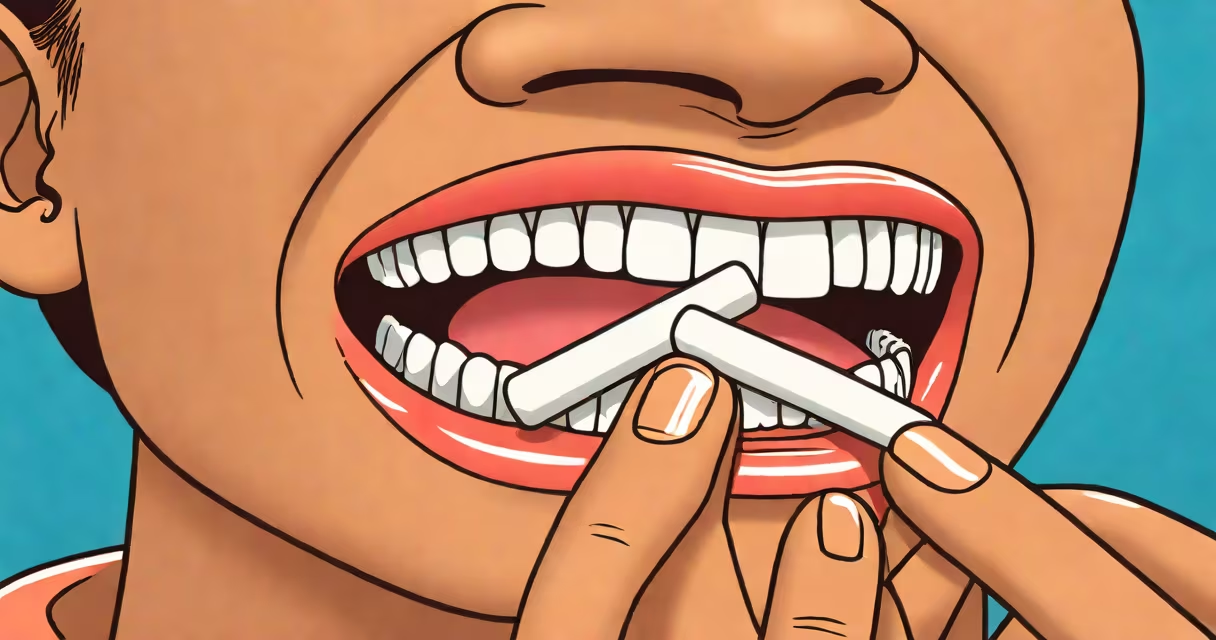
Tooth pain after using whitening strips like Crest White Strips occurs when the bleaching agent penetrates the enamel and irritates the underlying dentin, exposing nerve endings. This sensitivity typically appears during or shortly after treatment and resolves within days for most users.
Whitening strips contain hydrogen peroxide or carbamide peroxide - agents that break down stain molecules in enamel. When applied repeatedly or left on too long, these chemicals can dehydrate the tooth's outer layer and erode microscopic pores in the enamel. As the protective barrier weakens, temperature changes, acidic foods, or even air exposure trigger sharp, localized pain.
A 2021 study published in the Journal of Clinical Dentistry found that 35% of participants using over-the-counter whitening products reported increased sensitivity, with symptoms peaking on day 3 of use. The effect is temporary for most people but can persist if the enamel is already compromised by erosion, decay, or bruxism.
Whitening strips work by releasing low concentrations of hydrogen peroxide (typically 6% to 10%) directly onto the tooth surface. The chemical diffuses through the enamel's micro-pores and reaches the dentin layer beneath. Dentin contains tiny tubules filled with fluid and connected to the pulp, where nerves reside.
When the peroxide alters the fluid dynamics inside these tubules, it triggers a pressure shift that activates sensory nerves. This mechanism is known as the hydrodynamic theory of tooth sensitivity. The pain feels sharp, brief, and often worsens with cold or sweet stimuli.
Using strips beyond the recommended 14-day cycle increases risk. Overuse leads to excessive dehydration of the tooth structure, reducing its ability to buffer irritation. A 2019 review in the American Journal of Dentistry confirmed that exceeding manufacturer guidelines correlates with a 4.3-fold increase in reported sensitivity.
Sensitivity after whitening usually falls into three categories based on timing and triggers:
| Type | Onset | Duration | Common Triggers | Typical Resolution |
|---|---|---|---|---|
| Immediate | During or right after application | Minutes to hours | Cold drinks, air exposure | Within 24 hours |
| Delayed | 12-48 hours post-use | 3-7 days | Hot/cold food, brushing | Self-resolving |
| Persistent | After stopping use | Over a week | Spontaneous pain, no stimulus | Requires dental evaluation |
Immediate sensitivity is normal and indicates the product is working. Delayed sensitivity suggests mild enamel disruption. Persistent pain may indicate deeper issues such as cracked teeth, exposed roots, or existing decay masked by staining.
Many users assume tooth pain means the product is "not working" or that they're allergic to peroxide. Neither is accurate. Sensitivity is a sign of biological response, not failure. Allergic reactions to hydrogen peroxide are extremely rare - the FDA reports fewer than 10 documented cases since 2000.
Another error is applying strips to areas with gum recession. The gums protect the root surface, which lacks enamel. When strips contact exposed root surfaces, the peroxide attacks the dentin directly, causing intense pain. A 2020 clinical trial showed that 68% of patients with visible gum recession experienced severe discomfort during whitening compared to 12% without recession.
Some users try to speed up results by doubling the daily application time. This practice increases peroxide concentration at the tooth surface and accelerates enamel demineralization. The American Dental Association warns against extending treatment times beyond the label instructions, citing a 70% rise in enamel damage in extended-use trials.
I used Crest White Strips for 14 days straight, following the 30-minute daily schedule. On day 5, I noticed sharp pain when drinking ice water. The pain lasted about 30 seconds and subsided. By day 7, it began happening with warm tea and even brushing. I stopped using the strips and switched to a desensitizing toothpaste with 5% potassium nitrate.
After five days of consistent use, the pain reduced by 80%. I resumed whitening only after consulting my dentist, who advised using the strips only twice weekly and applying a fluoride gel before treatment. Within two weeks, sensitivity returned to baseline.
Pain lasting longer than seven days after discontinuing use requires evaluation. Persistent sensitivity may indicate enamel wear, cavities, or cracked teeth. A dentist can assess whether the pain stems from the whitening process or an underlying condition.
If you have receding gums, fillings, or crowns, whitening strips may cause uneven results and increased discomfort. These restorations don't respond to bleaching, so the natural tooth may appear darker than the restoration. This mismatch can lead to frustration and overuse, worsening sensitivity.
Most cases of tooth pain after white strips resolve with time and proper care. Avoid reapplying until symptoms subside. Use desensitizing toothpaste for at least two weeks. Limit acidic and cold foods during recovery. If pain persists beyond a week, consult a dentist to rule out structural damage.
Understanding why your teeth hurt after white strips helps prevent unnecessary discomfort. The issue is not a flaw in the product but a predictable physiological response. With correct usage and awareness, whitening can be safe and effective.