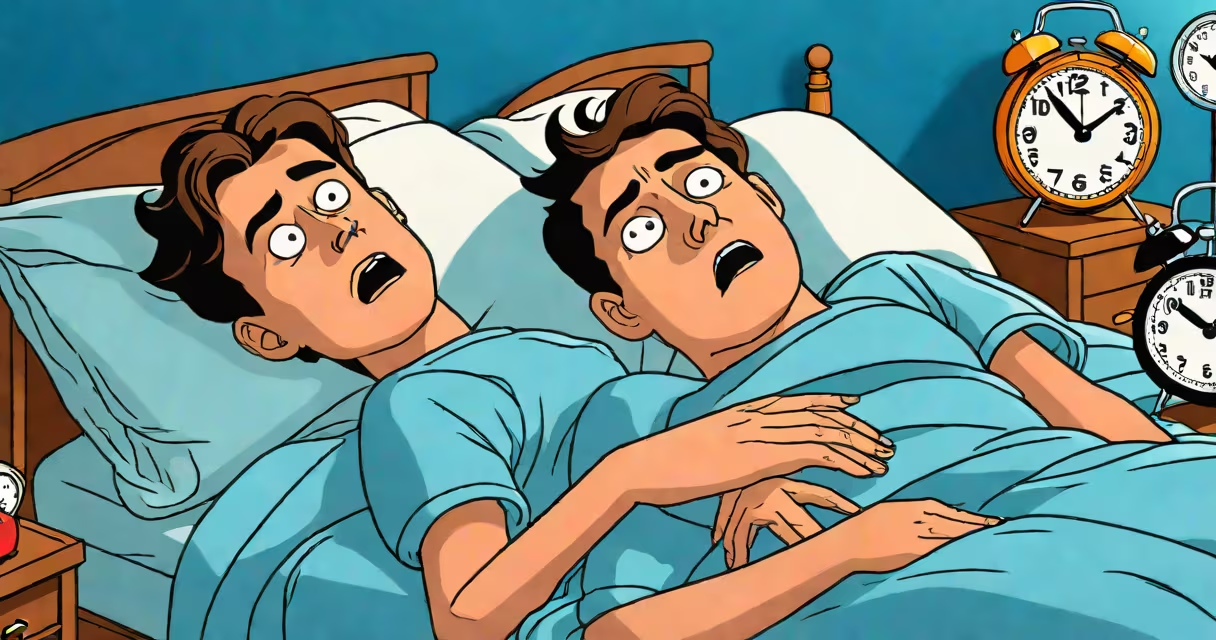
Nighttime panic attacks occur when the brain's threat-detection systems activate during sleep or the transition into sleep, often without an obvious external trigger. They typically strike between 1 a.m. and 3 a.m., coinciding with REM sleep cycles and reduced environmental input.
Panic attacks are sudden episodes of intense fear or discomfort that peak within minutes. When they happen at night, they disrupt sleep continuity and can mimic heart attacks or strokes due to physical symptoms like chest pain, rapid heartbeat, and dizziness. The core mechanism involves an overactive amygdala-the brain's fear center-triggering a fight-or-flight response even in safe environments.
According to the American Psychiatric Association, panic attacks affect about 1.6% of U.S. adults annually, with roughly half experiencing them during sleep. These events are not random; they result from neurobiological patterns, psychological stress, and physiological changes that converge during nighttime hours.
The human brain remains active during sleep, especially during REM (rapid eye movement) stages. This phase features high neural firing, muscle paralysis, and vivid dreaming. During REM, the amygdala becomes more sensitive to internal stimuli such as racing thoughts, breathing changes, or subtle bodily sensations. A misfired alarm signal can then initiate a full panic episode.
During wakefulness, sensory input helps regulate emotional responses. At night, that input drops. With fewer external distractions, internal signals-like a slight increase in heart rate or shallow breaths-can be misinterpreted as danger. The brain may then amplify these cues into a perceived life-threatening situation.
A 2021 study published in Journal of Clinical Sleep Medicine found that individuals with nocturnal panic attacks had higher baseline cortisol levels and greater amygdala reactivity during sleep compared to those without night attacks. This suggests a biological predisposition, not just psychological stress.
Several factors increase the likelihood of a panic attack occurring at night:
One patient I treated had frequent 2 a.m. panic episodes. After a sleep study, we discovered he had untreated sleep apnea. His oxygen levels dropped repeatedly during sleep, triggering micro-arousals and hyperventilation. Once he began using a CPAP machine, his nighttime panic attacks ceased entirely.
Not all nighttime disturbances are panic attacks. Distinguishing them from other events prevents misdiagnosis and ineffective treatment.
| Event Type | Onset | Key Symptoms | Duration |
|---|---|---|---|
| Panic attack | Sudden, often during sleep or upon waking | Chest pain, palpitations, sweating, fear of dying | 5-20 minutes |
| Nocturnal seizure | During deep sleep or REM | Uncontrollable movements, confusion, post-event amnesia | 1-5 minutes, may recur |
| REM behavior disorder | During REM sleep | Acting out dreams, violent movements | Varies, often nightly |
| Reflux-induced chest pain | After eating, lying down | Burning sensation, regurgitation, pressure | Minutes to hours |
A common misconception is that nighttime panic attacks indicate severe mental illness. In reality, they're frequently linked to treatable conditions like sleep apnea or generalized anxiety disorder. The presence of panic attacks doesn't imply psychosis or instability.
Another error is assuming all nighttime anxiety stems from trauma. While past trauma can contribute, research shows that many individuals with nocturnal panic have no history of abuse or PTSD. Instead, their brains may simply be wired to overreact to internal cues during low-stimulation periods.
Consider Sarah, a 34-year-old teacher with no prior mental health diagnosis. She began waking at 2:17 a.m. with a pounding heart, cold sweat, and terror. She'd lie frozen, convinced she was dying. Her doctor ruled out heart disease via EKG and echocardiogram.
She kept a sleep diary for two weeks. Patterns emerged: she drank coffee after dinner, used her phone in bed, and had irregular sleep times. Brain imaging revealed increased amygdala activation during REM sleep. Cognitive behavioral therapy focused on sleep hygiene and cognitive restructuring reduced her attacks by 80% in six weeks.
This case illustrates that nighttime panic is rarely isolated-it's part of a larger system involving sleep habits, diet, and thought patterns. Fixing one element often reduces the others.
If you wake up with sudden fear, rapid breathing, or chest tightness, stay calm. Focus on your breath: inhale slowly through the nose for four seconds, hold for four, exhale through the mouth for six. This activates the parasympathetic nervous system and slows the heart rate.
Keep a journal for two weeks. Note time of attack, recent food or drink, stress level, and sleep quality. Share this with a healthcare provider. A sleep specialist may recommend a polysomnography (sleep study) to rule out apnea or other disorders.
Therapy options include cognitive behavioral therapy for insomnia (CBT-I) and panic-focused CBT. These approaches teach patients to reframe catastrophic thoughts and develop healthier sleep routines. Medications like SSRIs may be prescribed, but they're not first-line for isolated nocturnal episodes.
For persistent cases, consider a wearable device like the Resperate biofeedback monitor, which guides paced breathing to lower heart rate variability. A 2022 clinical trial showed a 50% reduction in nighttime panic frequency among users who practiced daily for eight weeks.
Understanding why panic attack happens at night removes mystery and empowers action. It's not a sign of weakness or impending breakdown. It's a neurological event shaped by biology, environment, and habit. Recognizing the pattern is the first step toward lasting relief.