STEC infection is caused by Shiga toxin-producing Escherichia coli bacteria, which can lead to severe gastrointestinal illness and potentially life-threatening complications like hemolytic uremic syndrome (HUS). The most common strain involved is E. coli O157:H7, though other serotypes such as O26, O103, and O111 also cause disease.
These bacteria enter the human digestive tract through ingestion of contaminated food or water. Once inside the gut, they colonize the intestinal lining and release Shiga toxins-useful proteins that damage endothelial cells in blood vessels. This damage triggers inflammation, bloody diarrhea, and in some cases, systemic effects including kidney failure.
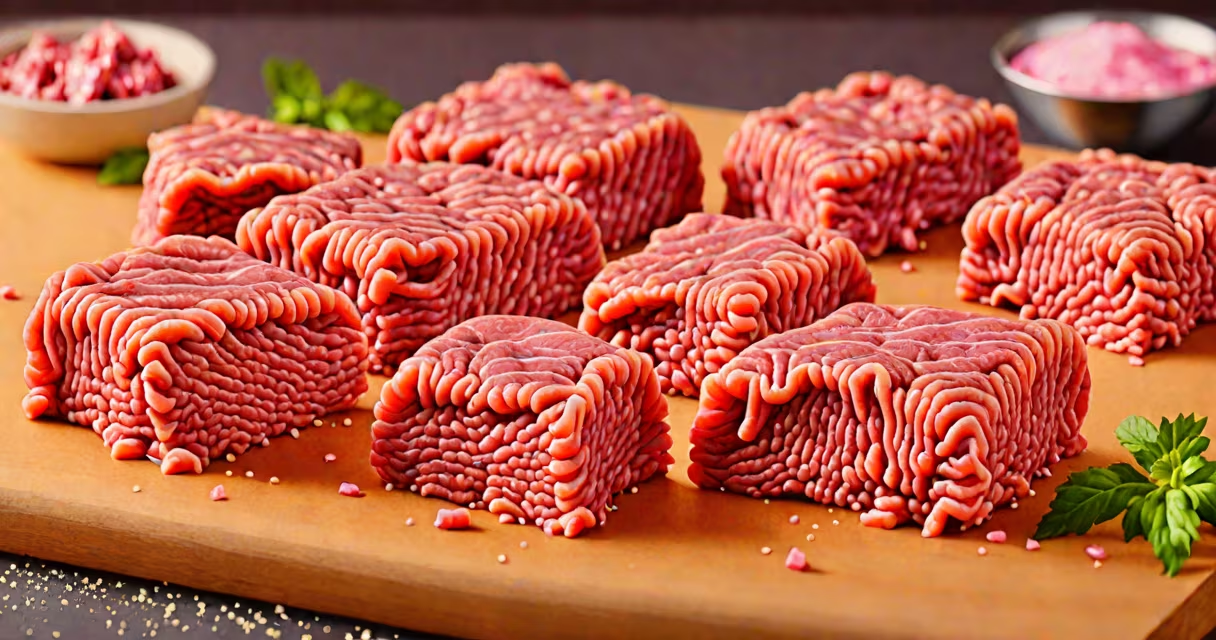
The Centers for Disease Control and Prevention (CDC) estimates that about 96,000 STEC infections occur annually in the United States, resulting in approximately 3,000 hospitalizations and 200 deaths. Most cases stem from consumption of undercooked ground beef, unpasteurized milk, or produce washed with contaminated water.
After ingestion, STEC bacteria survive stomach acid and reach the small intestine, where they adhere to epithelial cells using specialized surface proteins. They then multiply and begin secreting Shiga toxin (Stx), which consists of two subunits: an enzymatic A subunit and a binding B subunit.
The B subunit binds to globotriaosylceramide (Gb3) receptors found on endothelial cells throughout the body, especially in the kidneys and brain. Once internalized, the A subunit cleaves a specific adenine residue in 28S ribosomal RNA, halting protein synthesis and leading to cell death.
This process explains why STEC infection can progress beyond the gut. In severe cases, damaged renal microvessels cause thrombotic microangiopathy-a condition where platelets clump abnormally, reducing blood flow and causing acute kidney injury. This cascade results in hemolytic uremic syndrome (HUS), which develops in roughly 10% of symptomatic STEC cases.
While E. coli O157:H7 is the most well-known pathogen, non-O157 STEC strains are increasingly recognized as major contributors to outbreaks. These strains often lack the ability to ferment sorbitol, making them harder to detect in standard lab tests.
| Strain Type | Prevalence in U.S. Cases | Common Food Source | Key Risk Factor |
|---|---|---|---|
| E. coli O157:H7 | ~20% | Ground beef, leafy greens | Undercooking meat; cross-contamination |
| E. coli O26 | ~15% | Beef, raw milk | High virulence despite low prevalence |
| E. coli O103 | ~5% | Ground beef, produce | Resistant to heat and acidic environments |
| E. coli O111 | ~3% | Unpasteurized dairy, water | Associated with prolonged shedding |
Non-O157 strains are particularly concerning because they may not be detected by routine screening methods that rely on sorbitol fermentation. The CDC reports that non-O157 STEC accounts for nearly half of all STEC-related illnesses in the U.S., yet many labs still do not test for them routinely.
Outbreaks frequently trace back to agricultural settings. Cattle are natural reservoirs for STEC, carrying the bacteria in their intestines without showing symptoms. During slaughter, contamination can occur when fecal material contacts meat surfaces, especially in ground beef products where muscle tissue from multiple animals is mixed.
Contaminated produce poses another major risk. Leafy greens like romaine lettuce have been linked to multiple large-scale outbreaks. In 2018, a multistate outbreak tied to contaminated romaine lettuce sickened 210 people across 36 states, with 96 hospitalized and 27 developing HUS. The source was traced to irrigation water drawn from a canal near a cattle feedlot.
Waterborne transmission also occurs. In 2019, a cluster of STEC cases in Oregon was linked to a community well contaminated by runoff from nearby pastures. The outbreak affected 17 individuals, including five children who developed HUS.
STEC infection is often mistaken for general food poisoning. However, unlike typical gastroenteritis caused by Salmonella or Norovirus, STEC infection involves direct cellular damage via Shiga toxin-not just inflammation or fluid loss. Symptoms typically appear 3-4 days after exposure and include severe abdominal cramps, watery or bloody diarrhea, and low-grade fever.
A critical error is using antibiotics during early STEC infection. Studies show that antibiotic treatment increases the risk of HUS by up to 30%. This happens because antibiotics lyse bacterial cells, releasing more Shiga toxin into the bloodstream. The Infectious Diseases Society of America (IDSA) advises against antimicrobial therapy in confirmed STEC cases unless there's evidence of sepsis or invasive disease.
Another misconception is that cooking meat thoroughly eliminates all risk. While proper cooking reduces bacterial load, Shiga toxin itself is heat-stable and remains active even after high-temperature exposure. Therefore, while heat kills the bacteria, the toxin persists and can still cause harm if ingested.
In November 2018, the CDC identified a multistate outbreak of STEC O157:H7 linked to pre-washed romaine lettuce. Over 200 people were infected across 36 states. The median age was 32 years; 61% were female. Among those infected, 96 required hospitalization, and 27 developed HUS, requiring dialysis.
Genomic sequencing revealed that isolates from patients matched those found in retail packages and in environmental samples from a farm in Yuma, Arizona. Tracing showed that irrigation water used on the fields came from a canal fed by runoff from a cattle feedlot located upstream. The water tested positive for E. coli O157:H7, confirming the route of contamination.
Public health officials issued a nationwide recall of romaine lettuce from the region. The FDA later updated guidance to require testing of irrigation water used on leafy greens grown in high-risk areas, especially near livestock operations.
I observed a public health laboratory in California analyze stool samples from suspected STEC cases during a summer outbreak. One sample tested negative for O157:H7 but showed positive results for Shiga toxin using an enzyme immunoassay. Further PCR testing confirmed the presence of stx2 gene sequences. The patient had bloody diarrhea and elevated creatinine levels-indicating early kidney involvement. This case highlighted how relying solely on O157 detection misses significant numbers of non-O157 STEC infections.
Anyone experiencing persistent bloody diarrhea, severe abdominal pain, or signs of dehydration (such as dizziness, reduced urination, or dry mouth) should seek medical evaluation. HUS presents with pallor, fatigue, swelling, and decreased urine output. Immediate care is essential, as HUS can lead to permanent kidney damage or death.
Testing for STEC requires a stool specimen collected within 72 hours of symptom onset. Laboratories screen for the presence of Shiga toxin or the genes encoding it (stx1 and stx2). Culturing the organism remains the gold standard, but it takes longer and is less sensitive than molecular methods.
Early diagnosis allows for supportive care-fluid replacement, monitoring of electrolytes, and close observation for HUS development. There is no approved antidote for Shiga toxin, so treatment focuses on managing symptoms and preventing complications.
Understanding what is stec infection enables better prevention. Washing hands after handling raw meat, avoiding unpasteurized dairy, and thoroughly rinsing produce under running water reduce risk. Consumers should avoid eating undercooked ground beef and never assume that a product labeled "natural" or "organic" is free from contamination.