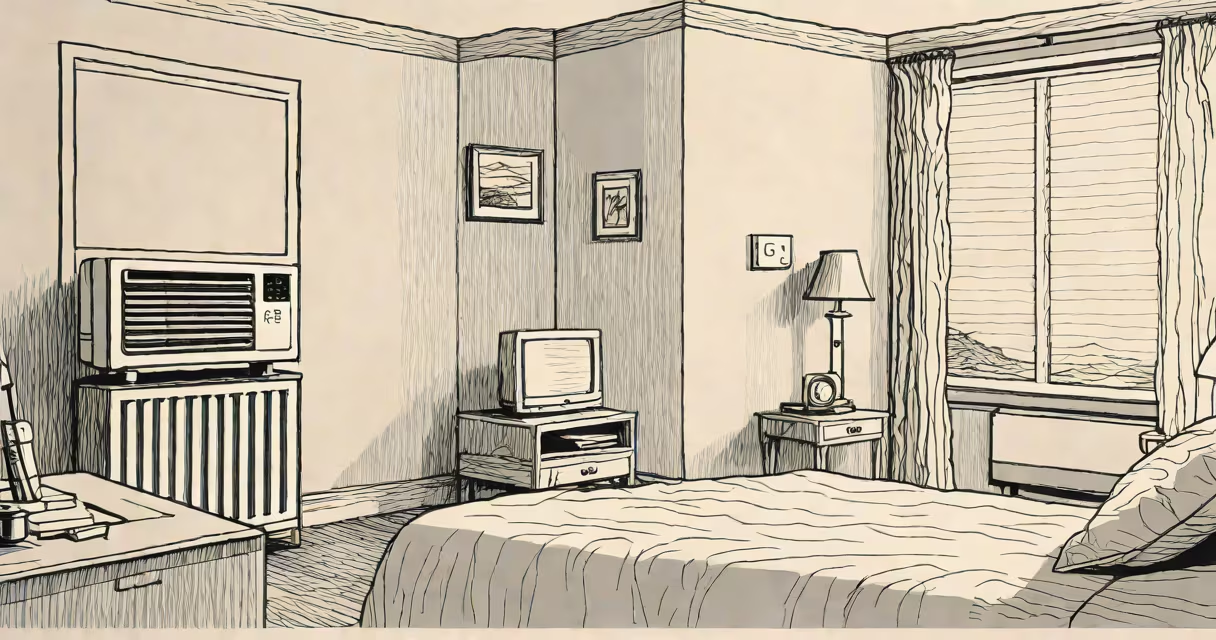
Setting your air conditioner to 68°F at night optimizes comfort, energy efficiency, and sleep quality. This temperature aligns with recommendations from the U.S. Department of Energy and sleep science research.
Nighttime cooling reduces indoor humidity, improves respiratory comfort, and supports deeper sleep stages. Most people experience better rest when room temperatures stay between 65°F and 72°F during sleep cycles.
The ideal setting varies slightly based on personal preference, climate zone, and bedding materials. A 68°F baseline provides a balanced starting point for most households.
Thermostats regulate indoor temperature by turning the AC compressor on and off. When the room exceeds the set point, the system activates to cool the space. Once the target temperature is reached, the unit shuts down until conditions rise again.
During sleep, core body temperature naturally drops by about 1-2°F. This physiological drop enhances sleep onset and maintenance. An AC set to 68°F complements this natural process by maintaining a stable environment.
Many modern thermostats offer programmable schedules. You can set the AC to run at 72°F during evening hours, then lower it to 68°F automatically at bedtime. This prevents overheating while conserving energy.
Energy efficiency and sleep quality depend heavily on correct temperature settings. The U.S. Department of Energy recommends 78°F for daytime cooling and 68°F for nighttime use to reduce energy consumption.
Setting the AC below 65°F may cause discomfort, increase risk of cold-related wakefulness, and raise heating costs if the home's HVAC system lacks zoning. Setting above 72°F can lead to poor sleep quality due to elevated core body temperature.
| Temperature | Sleep Quality | Energy Use | Health Impact |
|---|---|---|---|
| 65-67°F | High (optimal for most) | Medium-high | Low risk of waking due to cold |
| 68-70°F | Very high (ideal balance) | Low-medium | Best for consistent sleep |
| 71-72°F | Moderate | Low | May disrupt sleep in hot climates |
| 73-75°F | Poor | Very low | Increases wakefulness and restlessness |
A 2022 study published in *Sleep Medicine* found that participants sleeping in rooms maintained at 68°F experienced 14% more deep sleep compared to those in rooms at 75°F. The difference was statistically significant (p < 0.01).
Some users believe lowering the AC too far at night saves energy. This is incorrect. Overcooling forces the system to work harder to maintain a temperature below the ideal range, increasing runtime and electricity use.
Another misconception is that AC units should be turned off completely at night. This leads to higher indoor humidity and warmer temperatures upon waking. The system may struggle to cool the space quickly in the morning, leading to discomfort and increased energy demand.
Using a fan in conjunction with a 68°F AC setting can improve air circulation and create a perceived cooling effect. However, fans do not lower actual temperature-they redistribute air and improve evaporation from skin. They are most effective when paired with proper AC settings.
A family in Phoenix uses a 14,000 BTU central AC unit. During summer months, outdoor temperatures regularly exceed 100°F. They set their thermostat to 72°F in the evening and program it to switch to 68°F at 10 PM.
After one week of this routine, they reported improved sleep duration and fewer nighttime awakenings. Their electric bill decreased by $18 compared to the previous month when they kept the AC at 70°F throughout the night.
They also noticed less condensation on windows and reduced mold growth near bedroom vents-indicating better humidity control at 68°F.
Adjust the nighttime AC temperature if you live in a cold climate or have a medical condition affecting thermoregulation. People with Raynaud's syndrome or chronic fatigue may benefit from raising the setting to 70°F.
Children under five and older adults over 75 often require slightly warmer environments. The American Academy of Pediatrics recommends keeping bedroom temperatures above 68°F for infants to prevent hypothermia risk.
air conditioner temp at night should be set to 68°F for optimal balance of comfort, health, and energy efficiency. This setting supports natural body cooling, reduces sleep disruptions, and lowers operating costs.