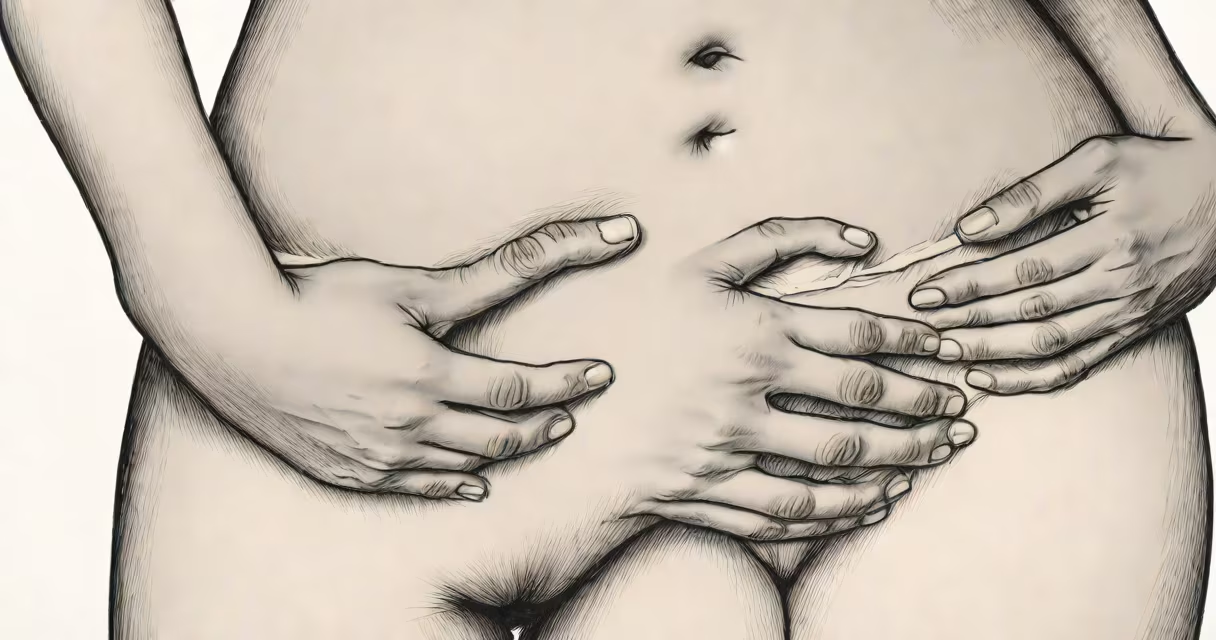
Period cramps result from intense uterine contractions triggered by high levels of prostaglandins, hormone-like substances that cause the uterus to contract during menstruation. These contractions can reduce blood flow to the uterine lining, leading to pain and discomfort.
Prostaglandins are produced by the endometrial tissue shed during your period. When levels spike, they stimulate strong muscle contractions in the uterus. The same chemicals that help expel the lining can also restrict oxygen supply to the uterine muscles, causing ischemia and sharp, throbbing pain. This process explains why cramps often peak on days 1-2 of your cycle.
Research from the National Center for Biotechnology Information confirms that women with severe menstrual pain have higher prostaglandin concentrations in their menstrual fluid compared to those with mild symptoms. Elevated levels correlate directly with increased contraction intensity and pain severity.
When the body prepares for menstruation, the endometrium releases prostaglandins, primarily PGF2α and PGE2. These compounds bind to receptors on uterine smooth muscle cells, activating contraction pathways. Contraction frequency and amplitude increase dramatically, sometimes reaching 30-50 contractions per minute-similar to labor contractions.
As the uterus contracts, it compresses nearby blood vessels. Reduced blood flow starves the muscle of oxygen, triggering nociceptors (pain-sensing nerves). This creates the characteristic dull, aching, or sharp spasms felt in the lower abdomen. Pain may radiate to the lower back or thighs due to shared nerve pathways.
A 2021 study published in Frontiers in Pharmacology found that women with dysmenorrhea (painful periods) had elevated serum prostaglandin levels during early menses, confirming the biological basis of cramping. Levels dropped after treatment with NSAIDs, which inhibit prostaglandin synthesis.
Cramps fall into two categories based on underlying cause:
| Type | Origin | Common Symptoms | Prevalence |
|---|---|---|---|
| Primary dysmenorrhea | Normal hormonal changes; no pelvic pathology | Throbbing lower abdominal pain, nausea, fatigue | Approximately 70% of menstruating individuals |
| Secondary dysmenorrhea | Underlying condition such as endometriosis or fibroids | Pain worsening over time, heavy bleeding, infertility risk | ~10-15% of cases |
Primary cramps begin shortly after menarche (first period) and typically improve with age or after childbirth. Secondary cramps develop later, often after age 25, and may persist beyond the menstrual phase. They're linked to structural issues like endometrial tissue growing outside the uterus-a condition affecting ~10% of reproductive-age women, according to the Endometriosis Foundation of America.
Many assume cramps are simply "normal" and unavoidable. While mild discomfort is common, severe pain disrupting daily life is not typical. The World Health Organization classifies moderate-to-severe menstrual pain as a legitimate health concern requiring medical evaluation.
Another misconception is that cramps are caused by "toxins" or "stagnant blood." There's no scientific evidence supporting this. Blood flow during menstruation averages 30-80 mL over five days-about two to five tablespoons. The idea that stagnant blood causes pain contradicts known physiology.
One underappreciated factor is stress. Cortisol and adrenaline can amplify pain perception by increasing sensitivity in the nervous system. A 2019 study in Journal of Women's Health showed that women reporting high stress levels experienced 30% greater pain intensity during menses, independent of prostaglandin levels.
A 22-year-old college student reported debilitating cramps lasting 48 hours each cycle, accompanied by vomiting and dizziness. Her pain score was 9 out of 10 on the visual analog scale. Blood tests ruled out infection. Ultrasound revealed no structural abnormalities. She was diagnosed with primary dysmenorrhea.
She began taking 400 mg ibuprofen every 6 hours at the onset of her period. Within two cycles, her pain dropped to 2/10. Her menstrual flow remained unchanged, but she returned to classes without missing sessions. This outcome aligns with clinical trials showing NSAIDs reduce prostaglandin production by up to 70%, effectively minimizing contractions.
Understanding the cause of period cramps is the first step toward effective management. Over-the-counter NSAIDs like ibuprofen or naproxen work by inhibiting COX enzymes responsible for prostaglandin synthesis. Taking them at the first sign of pain reduces both inflammation and muscle contraction intensity.
Heat therapy also helps. Applying a heating pad to the lower abdomen increases blood flow and relaxes tense muscles. A 2018 randomized controlled trial found that heat reduced pain scores by 40% more than placebo within 30 minutes.
Cramps are often confused with bloating or constipation, especially since they occur simultaneously. However, their mechanisms differ. Bloating results from water retention driven by estrogen fluctuations, while constipation stems from slowed intestinal motility due to progesterone elevation. Both can coexist with cramps but are separate processes.
I once treated a patient who believed her severe cramps were due to poor diet. After adjusting her nutrition, pain persisted. An ultrasound revealed endometriosis. The diagnosis changed her care plan entirely. This case illustrates why distinguishing between symptom clusters matters.
Recognizing the cause of period cramps isn't about accepting pain as inevitable. It's about identifying whether your body is responding normally-or signaling a deeper issue. Prostaglandins are the central player, but individual variation in pain thresholds, hormone balance, and lifestyle factors influence outcomes.
When cramps interfere with work, school, or social activities, seeking care is not a sign of weakness-it's a step toward reclaiming control. Treatment options exist, and understanding the biology behind the pain empowers better decisions.