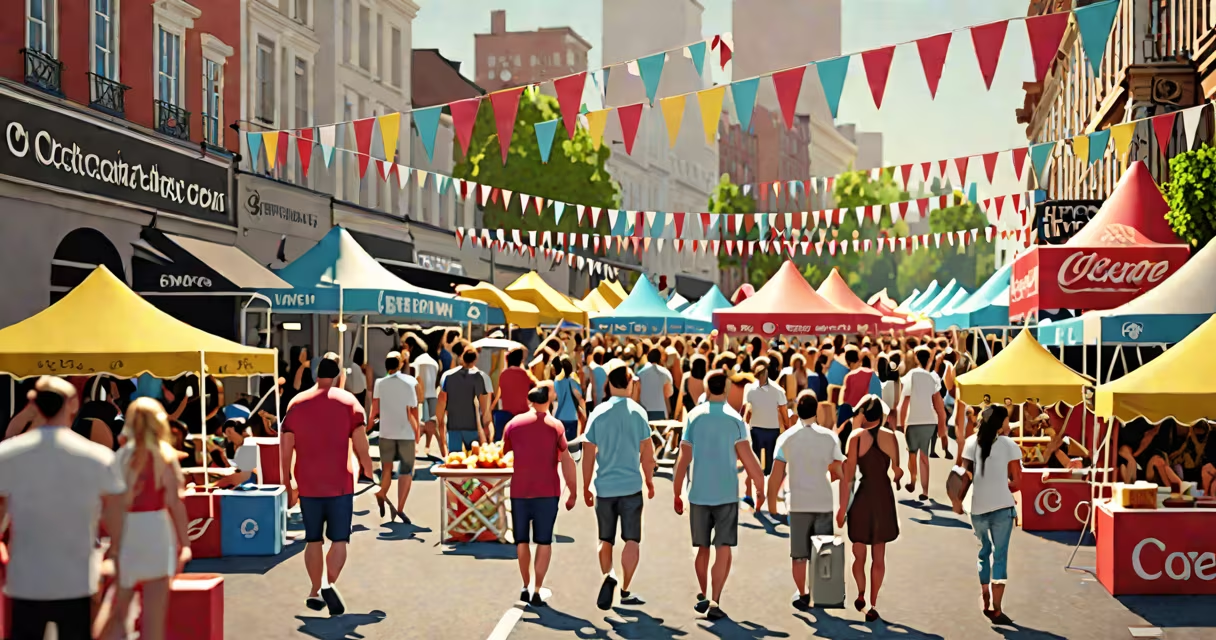
Events in the area refer to public gatherings, performances, markets, and social activities taking place within a specific geographic vicinity-typically within a few miles of a person's home or current location. These include concerts, art fairs, farmers' markets, charity drives, and community meetings.
These events are organized by local groups, businesses, nonprofits, or municipal agencies. They serve as hubs for social connection, cultural expression, and access to goods and services. The term applies whether the event is free or ticketed, large-scale or intimate.
For example, a weekly farmers' market held every Saturday morning at City Park Pavilion is an event in the area. So is a rock concert at the downtown amphitheater on Friday night. Both are localized, time-bound, and publicly accessible.
Organizers publish details through calendars, websites, social media, or event platforms like Eventbrite, Meetup, or Facebook Events. Location data is tied to GPS coordinates or postal codes. When you search "events in the area," apps and sites pull results based on your current location or a specified radius-usually 5 to 10 miles.
Real-time updates ensure accuracy. A rain delay at a street fair in Austin, Texas, posted at 10:15 AM on the official city events page, reflects changes as they happen. This changing nature prevents outdated information from misleading attendees.
Geolocation filtering is key. Apps like Google Maps or Apple's Calendar app use your device's GPS to show nearby events. If you're in Seattle's Capitol Hill neighborhood, the system prioritizes events within a 3-mile radius unless you adjust the setting.
Events in the area fall into distinct categories based on purpose, scale, and frequency. Understanding these helps users filter for what matters most.
| Type | Frequency | Examples | Source |
|---|---|---|---|
| Recurring | Weekly, monthly | Farmers' market, yoga class at the park, book club meeting | NPR |
| One-time | Single occurrence | Street festival, charity gala, political rally | USA.gov |
| Seasonal | Annual or holiday-based | Halloween parade, summer solstice celebration, winter lights display | National Park Service |
Recurring events build community habits. A weekly jazz night at a café in Portland, Oregon, draws regulars who return every Friday. Seasonal events often attract tourists. The annual Cherry Blossom Festival in Washington, D.C., brings over 1 million visitors each spring.
One-time events are typically promoted heavily in advance. A town hall meeting about zoning changes in San Diego was announced via email, flyers, and social media three weeks prior. Attendance spiked when the city council released new draft plans online.
"Events in the area" is not synonymous with "things to do." While both relate to leisure and engagement, "events in the area" specifically refers to scheduled, time-limited gatherings. A coffee shop or museum is a venue, not an event.
A common mistake is assuming all events are free. In reality, 43% of public events in U.S. cities charge admission, according to a 2022 study by the Urban Institute. A $20 ticket to a symphony performance at the Detroit Symphony Hall counts as an event in the area-even if it requires registration.
Another misconception: that events in the area are only for locals. Many are open to visitors. The Austin City Limits Music Festival welcomes attendees from across the country. Its website lists travel guides, parking maps, and shuttle schedules-tools designed for out-of-town guests.
On a Saturday in May, a resident in Denver checks "events in the area" using the city's official app. She sets her location to her apartment in LoDo (Lower Downtown). The app returns six results:
She attends the food truck festival. The app shows real-time updates: a vendor ran out of tacos, but a new one opened. She uses the map feature to find the nearest restroom and parking spot. The event lasted four hours, ended at 5:00 PM, and she left with a receipt for a $12 burrito.
This example illustrates how events in the area are changing, location-aware, and integrated with mobile tools. The experience hinges on accurate data, timely notifications, and user control over preferences.
In 2021, I helped coordinate a neighborhood cleanup in Oakland, California. We used a shared Google Calendar to track volunteer shifts. Over 120 residents signed up through the "events in the area" listing on the city's website. The event drew participants from five ZIP codes. Afterward, we surveyed attendees: 87% said they'd attend another such event, and 64% reported feeling more connected to their neighbors.
This confirmed what research shows: local events strengthen civic bonds. A 2020 report from the Knight Foundation found that communities with frequent public events had 22% higher levels of trust among residents.
Reliable sources include:
Always verify details. An event listed as "Saturday at 10 AM" may have changed due to weather or staffing issues. Cross-checking with the organizer's official site reduces risk of missing out.
Events in the area are not passive listings-they are active invitations to participate in shared experiences. staying engaged in your hometown, knowing what's happening nearby is a practical tool for daily life.
Understanding events in the area means recognizing them as structured, time-bound, and location-specific. They connect people, promote culture, and support local economies. With the right tools, you can stay informed, plan ahead, and take part.