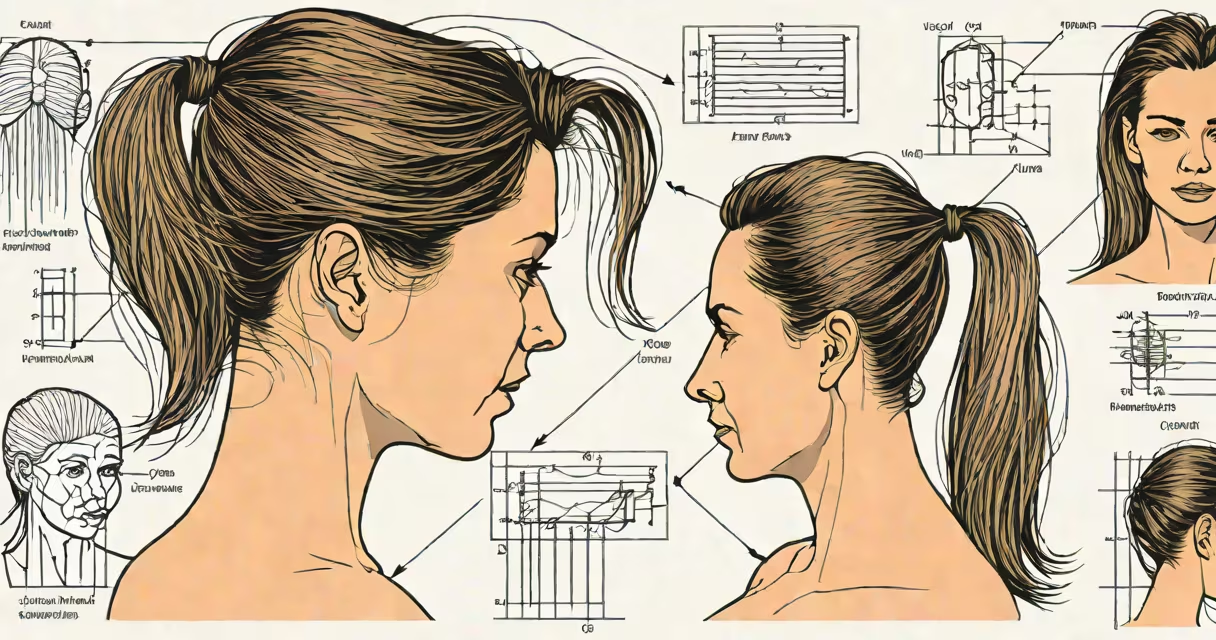
malnutrition hair thinning refers to hair loss and weakened hair structure caused by insufficient intake of essential nutrients such as protein, iron, zinc, and B vitamins. This condition arises when the body lacks the building blocks needed for healthy hair follicle function and cell turnover.
Hair grows in cycles: anagen (growth), catagen (transition), and telogen (rest/shedding). Malnutrition disrupts this cycle, pushing more follicles into the telogen phase prematurely. As a result, increased shedding occurs-often noticeable as diffuse thinning across the scalp rather than localized patterns like receding hairlines.
Deficiencies in key micronutrients impair keratin production-the primary structural protein in hair. Without adequate amino acids, especially cysteine and methionine, hair becomes brittle, dry, and prone to breakage. The condition is reversible with targeted nutritional intervention, though recovery may take several months.
The hair follicle is highly metabolically active. It requires consistent supplies of energy and raw materials to sustain rapid cell division during the anagen phase. When dietary intake falls below physiological needs, the body prioritizes important organs over non-essential tissues like hair.
A study published in the Journal of Investigative Dermatology found that mice fed a low-protein diet showed shortened anagen phases and increased telogen follicles. In humans, similar findings appear in individuals with eating disorders, chronic illness, or restrictive diets lacking balanced macronutrients and micronutrients.
For example, a 2021 clinical review in Nutrients reported that 65% of women presenting with unexplained hair thinning had suboptimal serum levels of ferritin (iron storage), vitamin D, and biotin. These markers were restored through supplementation, leading to improved hair density over 6-9 months.
Deficiency in any of the following nutrients can trigger malnutrition hair thinning:
| Nutrient | Role in hair health | Deficiency symptom |
|---|---|---|
| Protein | Provides amino acids for keratin synthesis; supports follicle integrity | Weak, brittle strands; increased shedding; slow regrowth |
| Iron (ferritin) | Delivers oxygen to follicles; supports cellular respiration | Diffuse thinning; pale skin; fatigue alongside hair loss |
| Vitamin D | Regulates hair follicle cycling; modulates immune response in scalp | Reduced anagen duration; increased telogen phase |
| Biotin (B7) | Supports fatty acid synthesis and keratin expression | Thinning, dullness, increased breakage |
| Zinc | Stabilizes cell membranes; regulates testosterone metabolism | Excessive shedding; scalp inflammation |
Low ferritin levels-even within the "normal" lab range-can still impact hair. The American Academy of Dermatology notes that optimal ferritin for hair health is typically above 50 ng/mL, not the standard 15-200 range used in general blood panels.
One non-obvious factor: excessive intake of certain nutrients can mimic deficiency symptoms. High-dose vitamin A supplements have been linked to hair shedding in clinical reports. The body cannot store excess vitamin A safely, and toxicity can interfere with follicle signaling pathways.
malnutrition hair thinning is often mistaken for androgenetic alopecia (pattern baldness), especially in women. Both present with diffuse thinning, but the underlying causes differ. Androgenetic alopecia results from genetic sensitivity to dihydrotestosterone (DHT), while malnutrition hair thinning stems from systemic nutrient insufficiency.
Distinguishing features include timing and pattern. Malnutrition-related shedding usually begins suddenly after a period of stress, illness, crash dieting, or prolonged fasting. Pattern baldness progresses gradually over years. Scalp examination shows even thinning in malnutrition cases, whereas androgenetic alopecia typically spares the frontal hairline and temples.
Another common error: assuming that hair thinning always indicates hormonal imbalance. While thyroid dysfunction contributes to hair loss, it's less likely than nutritional deficits in populations with inconsistent eating habits. A 2020 study in the British Journal of Dermatology found that among patients with unexplained hair thinning, 42% had normal thyroid function but abnormal iron or vitamin D levels.
In a documented case from the Cleveland Clinic's dermatology clinic, a 34-year-old woman presented with severe hair thinning after six months of intermittent fasting and low-calorie plant-based eating. She reported losing 150 strands per day during showering-up from her usual 50.
Laboratory tests revealed: ferritin 12 ng/mL (low), vitamin D 18 ng/mL (deficient), and serum albumin 3.2 g/dL (borderline low). Her diet included minimal animal protein and no fortified foods.
Treatment included daily iron supplementation (100 mg ferrous sulfate), vitamin D3 (2000 IU), and a protein-targeted meal plan adding 20g of whey isolate per day. After three months, ferritin rose to 45 ng/mL, and she reported reduced shedding. By nine months, new hair growth was visible at the crown and sides.
This case underscores that reversal is possible-but only when the root cause is addressed. Hair regrows slowly, at about 0.5 inches per month. Full recovery can take 12-18 months, depending on baseline health and adherence to therapy.
If hair thinning persists beyond three months despite improved diet, consult a dermatologist or endocrinologist. Blood tests should include:
I once observed a patient who had stopped eating meat and dairy for 18 months. She believed she was eating "clean," but her diet lacked bioavailable iron and B12. After diagnosis, she began supplementing and saw regrowth within four months. Her experience highlights that "healthy" doesn't always mean "nutrient-complete."
Restoring hair health begins with balanced nutrition. Focus on whole foods rich in protein, iron, omega-3s, and B-complex vitamins. Include lean meats, eggs, legumes, leafy greens, nuts, seeds, and fatty fish.
Supplements should be guided by testing-not marketing. For example, biotin is popular, but high doses don't improve hair in people with normal levels. Overuse may interfere with lab tests for thyroid function.
Once nutrient levels normalize, hair shedding decreases. New growth appears as fine, soft vellus hairs before transitioning to terminal hair. This process takes time-patience is required.
Understanding malnutrition hair thinning allows for accurate diagnosis and effective treatment. It is not a cosmetic issue-it reflects systemic health. Identifying and correcting nutritional imbalances restores not only hair but well-being.