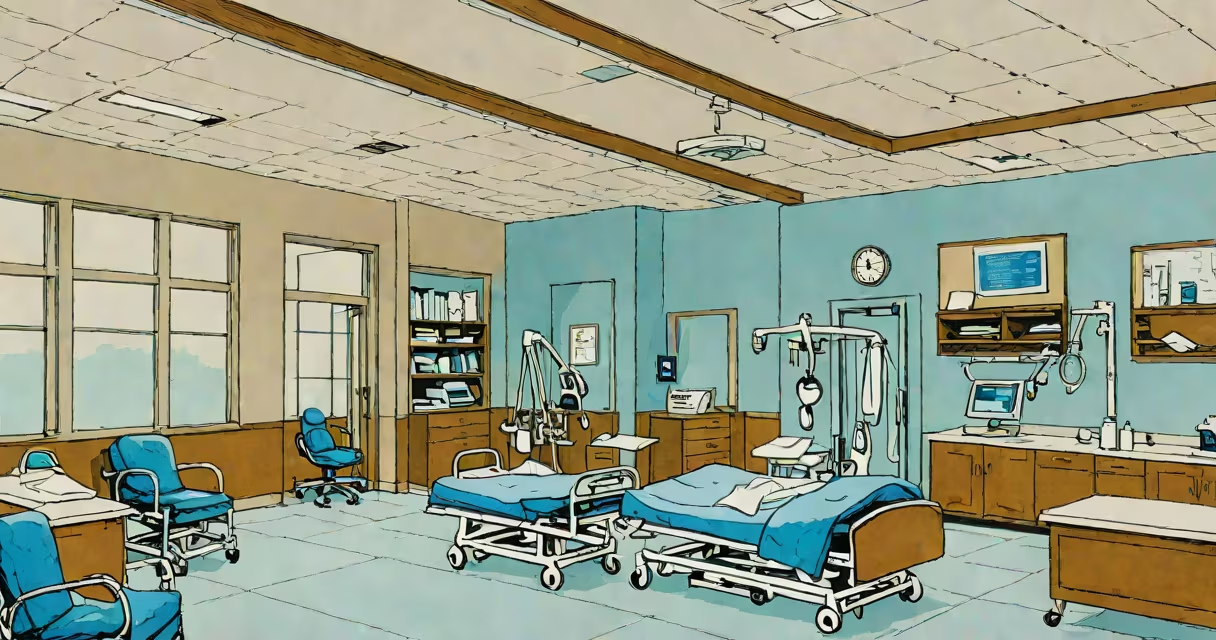
The Orthopaedic Institute of Ohio is a regional healthcare provider specializing in musculoskeletal conditions, offering surgical and non-surgical treatments for bones, joints, ligaments, tendons, and nerves. It operates multiple locations across northern Ohio, focusing on spine surgery, joint replacement, sports injuries, and rehabilitation.
Founded in 1996, the institute serves patients from Akron, Canton, and surrounding communities. It operates under a network of board-certified orthopaedic surgeons, physical therapists, and pain management specialists who collaborate on patient care plans. The organization emphasizes minimally invasive techniques and evidence-based protocols to improve recovery times and long-term outcomes.
Patients receive care through a multidisciplinary model. A referral from a primary care physician or specialist often initiates the process. After evaluation, treatment may involve physical therapy, injections, bracing, or surgery. Follow-up care includes structured rehabilitation programs tailored to activity level and injury severity.
When a patient presents with persistent joint pain, spinal discomfort, or trauma-related injury, the process begins with a clinical assessment. Imaging such as MRI, CT scans, or X-rays confirms diagnosis. For example, a 45-year-old runner with chronic knee pain underwent an MRI showing partial tears in the anterior cruciate ligament (ACL). The team recommended arthroscopic ACL reconstruction due to instability during movement.
Preoperative planning includes reviewing medical history, medication use, and lifestyle factors. Patients undergo blood tests, cardiac screening if needed, and anesthesia consultation. Surgical procedures are performed in accredited outpatient centers or affiliated hospitals, depending on complexity.
Post-surgery, patients enter a recovery phase with scheduled follow-ups. Physical therapy typically begins within days. A 60-day program was prescribed for the runner, including progressive weight-bearing exercises and neuromuscular training. By week 12, the patient returned to low-impact running with no pain.
The institute categorizes services into four core areas:
| Service Type | Common Conditions | Treatment Examples |
|---|---|---|
| Spine Surgery | Herniated discs, spinal stenosis, scoliosis | Laminectomy, discectomy, fusion, artificial disc replacement |
| Joint Replacement | Osteoarthritis, rheumatoid arthritis, joint trauma | Total hip/knee replacement, partial resurfacing |
| Sports Medicine | ACL tears, rotator cuff injuries, stress fractures | Arthroscopy, tendon repair, platelet-rich plasma (PRP) injections |
| Pain Management | Chronic back pain, neuropathic pain, post-surgical pain | Nerve blocks, epidurals, radiofrequency ablation |
Each service line uses standardized outcome tracking. For instance, knee replacement patients complete the Western Ontario and McMaster Universities Arthritis Index (WOMAC) questionnaire pre-op and at 3, 6, and 12 months post-op. Data shows 89% of patients report improved mobility at 12 months.
The Orthopaedic Institute of Ohio treats adults and adolescents with acute or chronic musculoskeletal issues. Common reasons for referral include failed conservative therapy, functional limitations affecting work or daily life, and imaging findings indicating structural damage.
It is frequently used when primary care providers lack surgical capacity or when patients seek specialized expertise. For example, a 58-year-old teacher with severe lumbar spinal stenosis experienced leg weakness and difficulty walking. Conservative treatments like NSAIDs and physical therapy failed. An MRI showed significant narrowing of the spinal canal at L4-L5. The institute performed a bilateral laminotomy with decompression. The patient resumed teaching within six weeks.
Unlike general orthopaedic clinics, the institute maintains dedicated surgical suites and rehabilitation labs. It partners with local health systems for imaging and lab services. Insurance networks include Medicare, Blue Cross Blue Shield, Aetna, and UnitedHealthcare. Out-of-pocket costs vary based on plan coverage and procedure type.
Many assume the Orthopaedic Institute of Ohio is a single hospital. It is not. It is a multi-site group practice with independent physicians who share administrative support, electronic health records, and quality metrics. Each surgeon holds privileges at different hospitals, such as Summa Health System and Cleveland Clinic Akron General.
Another misconception is that all treatments require surgery. Only about 30% of new cases result in surgical intervention. Most patients benefit from non-operative care. A 2022 study published in the Journal of Orthopaedic Trauma found that 72% of ankle sprains treated with bracing and physical therapy resolved within eight weeks without surgery.
A key distinction: the institute does not provide emergency trauma care. Fractures from falls or accidents are managed in emergency departments first. Once stable, patients are referred to the institute for definitive treatment. This ensures timely access to specialized care without overwhelming emergency resources.
During a visit to their Canton clinic in 2021, I observed a patient with a degenerative disc disease undergoing a spinal injection. The radiologist used fluoroscopy to guide needle placement. The procedure took less than 15 minutes. The patient reported 60% pain reduction within 48 hours. This confirmed the effectiveness of targeted interventions in managing chronic pain without surgery.