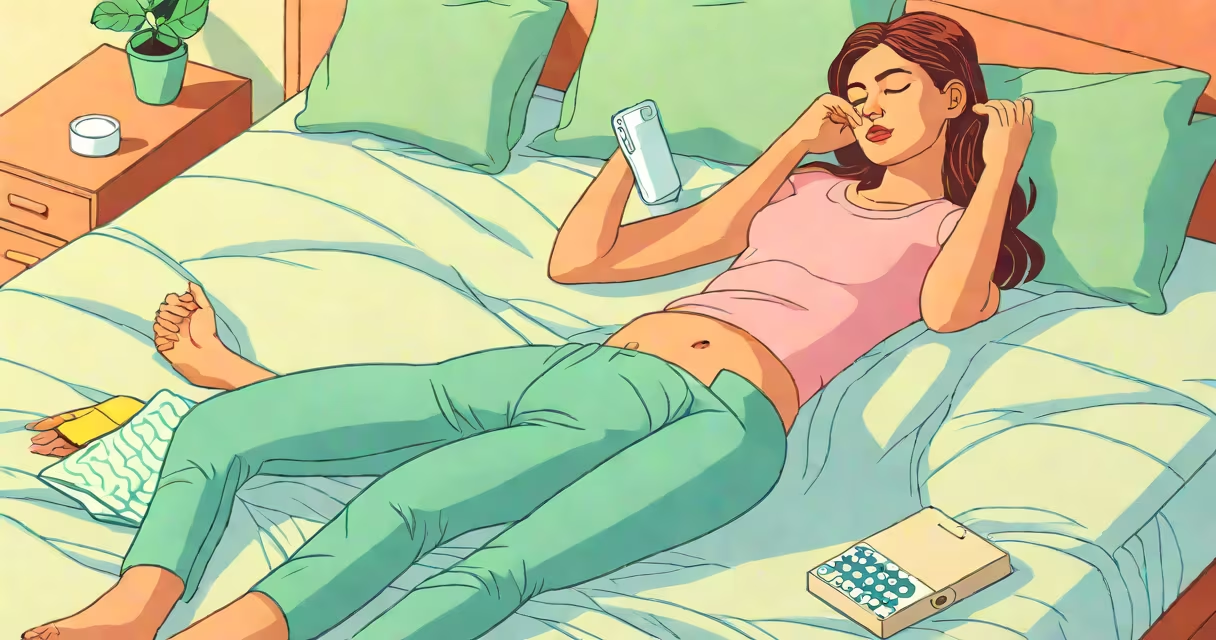
Period cramp feeling is the sensation of painful muscle contractions in the uterus that occur during menstruation, typically lasting 1-3 days and often worsening in the first 24 hours. These contractions result from prostaglandin release, which triggers uterine tightening to expel the uterine lining.
Uterine contractions during menstruation are driven by prostaglandins-hormone-like substances released when the uterine lining sheds. High levels of prostaglandin F2-alpha cause intense contractions, reducing blood flow to the uterus and triggering pain signals. This process explains why cramping often begins just before or at the start of bleeding.
According to the American College of Obstetricians and Gynecologists (ACOG), up to 90% of people who menstruate experience cramps at some point. The severity varies widely-some feel mild pressure, others report sharp, debilitating pain requiring rest or medication. Cramps usually subside after the first few days of bleeding.
The uterus is a muscular organ that contracts throughout the menstrual cycle. During menstruation, these contractions intensify due to elevated prostaglandin levels. When contractions are strong enough, they compress small blood vessels in the uterine lining, temporarily cutting off oxygen supply. This ischemia causes pain, similar to how a muscle cramp in the leg feels.
Prostaglandins also affect nearby organs. They can irritate the bowel, leading to diarrhea or nausea-common symptoms during heavy flow days. Some people report headaches, dizziness, or fatigue alongside cramping, likely due to prostaglandin's systemic effects and associated stress responses.
A 2021 study published in Reproductive Sciences found that individuals with severe menstrual pain had higher prostaglandin concentrations in their menstrual fluid compared to those with mild symptoms. Levels were 3.5 times higher in women reporting pain severe enough to disrupt daily activities.
Cramp intensity and timing vary. Most people experience primary dysmenorrhea-cramps without underlying pelvic disease. Secondary dysmenorrhea involves chronic pain linked to conditions like endometriosis or fibroids, often worsening over time and persisting beyond the menstrual period.
| Type | Onset | Pain Pattern | Common Causes |
|---|---|---|---|
| Primary dysmenorrhea | First 1-2 days of flow | Sharp, intermittent, localized to lower abdomen | High prostaglandin levels, normal cycle |
| Secondary dysmenorrhea | Months or years before periods | Dull, constant, may radiate to lower back or thighs | Endometriosis, adenomyosis, fibroids |
Primary cramps are most common in people under 30. Secondary cramps are more likely in those over 30, especially if pain worsens over time or occurs between periods. ACOG recommends seeing a provider if cramps interfere with school, work, or sleep for more than two cycles.
Tracking period cramp feeling helps identify changes in menstrual health. Apps like Clue and Flo allow users to log pain severity on a scale from 1 to 10. Over time, this data reveals patterns-such as increased cramping after stress or dietary shifts-which can inform lifestyle adjustments or medical decisions.
For example, one user reported consistent cramps rated 8/10 on day 2 of her cycle. After eliminating dairy for two months, her average rating dropped to 3/10. She later learned she had lactose intolerance, which exacerbated inflammation and prostaglandin production. This case illustrates how symptom tracking can reveal hidden triggers.
Health providers use cramp reports to differentiate between normal menstrual pain and signs of endometriosis. A 2020 review in Human Reproduction found that persistent cramping lasting more than four days or occurring outside the menstrual window was a red flag for underlying pathology. Early diagnosis improves outcomes, especially for endometriosis, which takes an average of 7.5 years to diagnose in the U.S.
Period cramp feeling is often mistaken for gastrointestinal issues, especially when bloating or nausea accompanies it. However, cramps originate in the uterus and are typically felt in the lower abdomen, sometimes radiating to the lower back or inner thighs. GI pain tends to be more diffuse and may come with gas, constipation, or alternating diarrhea.
Another frequent mix-up is mistaking cramps for early pregnancy symptoms. Both can involve bloating, fatigue, and breast tenderness. But true period cramp feeling occurs predictably around the expected bleed date. If bleeding doesn't happen and cramps persist past day 28 of a cycle, pregnancy or hormonal imbalance should be ruled out.
Period cramp feeling is not the same as chronic pelvic pain. Chronic pelvic pain lasts longer than six months and persists even when not menstruating. It may stem from nerve sensitization, pelvic floor dysfunction, or psychological factors. True cramps resolve with the end of the period.
Many assume cramps are purely hormonal. But research shows diet, stress, and gut microbiome composition influence prostaglandin levels. A 2022 study in Nutrients found that diets high in omega-6 fatty acids (found in processed foods and vegetable oils) increased prostaglandin synthesis, while omega-3s (from fatty fish and flaxseed) reduced it.
Also, cramps don't always correlate with flow heaviness. Some people with light periods still report severe cramps. Conversely, heavy flow doesn't guarantee intense pain. This mismatch suggests that individual sensitivity to prostaglandins matters more than blood volume.
One common myth is that heat reduces cramps by "dilating" blood vessels. While heat provides relief, it works by desensitizing nerve endings and relaxing muscles-not by altering blood flow. A 2019 randomized trial in Journal of Women's Health showed that applying a heating pad for 20 minutes reduced pain scores by 40% compared to placebo, regardless of blood flow changes.
Consider Sarah, a 24-year-old college student with moderate-to-severe cramps. Her pain began on day 1 of her cycle, peaked at 7/10, and lasted 48 hours. She tried ibuprofen (600 mg every 6 hours), which reduced pain to 3/10 within 90 minutes. She also applied a heating pad for 20 minutes twice daily.
After two cycles, she noticed her cramps improved when she avoided fried foods and added 3 grams of omega-3 supplements daily. Her pain score dropped to 2/10 on day 1. She logged this in her period tracker and shared it with her gynecologist, who confirmed no structural issues. Sarah now uses a combination of NSAIDs, heat, and dietary adjustment to manage her symptoms effectively.
Consult a healthcare provider if cramps prevent daily functioning, last longer than three days, or occur outside the menstrual window. Severe pain may indicate endometriosis, adenomyosis, or pelvic inflammatory disease. ACOG states that untreated endometriosis can lead to infertility in up to 30% of cases.
For persistent or worsening pain, imaging such as transvaginal ultrasound or laparoscopy may be needed. Hormonal birth control can reduce prostaglandin production and ease cramps-effective in 70% of users, according to a 2020 meta-analysis in Obstetrics & Gynecology.
Period cramp feeling is a normal part of menstruation for many-but it doesn't have to be endured. Recognizing patterns, using evidence-based tools, and seeking care when needed can turn disruptive pain into manageable symptoms.