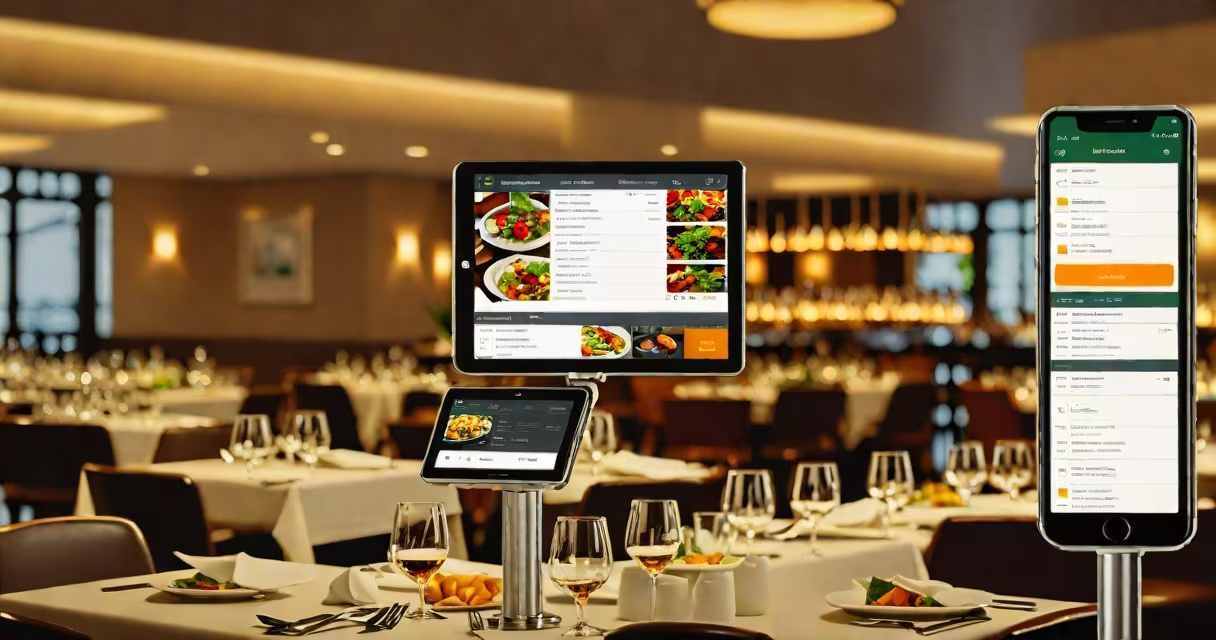
A restaurant reservation management system is a digital tool that automates table bookings, tracks guest arrivals, manages waitlists, and syncs with point-of-sale (POS) systems to improve service flow and reduce manual errors.
These systems replace paper logs, handwritten schedules, and phone-based coordination. They centralize all reservations in one interface, allowing staff to view real-time table availability, assign tables based on party size and preferences, and send automated confirmations and reminders.
For example, a 60-seat Italian bistro in Austin uses a cloud-based reservation system that syncs with its POS. When a guest books online via the restaurant's website, the system updates the digital floor plan instantly, assigns a server, and sends a confirmation email with a QR code for check-in. This reduced missed reservations by 40% and cut front-desk check-in time by 3 minutes per guest.
The system operates through a web or mobile app connected to a central database. Users input guest details, party size, preferred time, and special requests. The software then checks real-time table availability using a changing floor plan. Once confirmed, the reservation appears on all staff devices.
Automated features include SMS and email confirmations sent 24 hours before the booking. If a guest doesn't show up, the system flags the no-show and may automatically move the table to the waitlist or notify the host. Some platforms offer AI-driven forecasting to predict peak times and suggest staffing levels.
Integration with other tools is critical. A reservation system connects to the POS to track table turnover, calculate average check size per shift, and generate daily sales reports. It also syncs with calendar apps like Google Calendar and marketing tools to send post-dining surveys or loyalty rewards.
Modern systems fall into three categories based on deployment and feature set:
| Type | Best For | Key Features | Example Use Case |
|---|---|---|---|
| Cloud-Based | Most restaurants | Remote access, auto-updates, mobile app, integration with websites and social media | Quick-service chain with 12 locations managing 500+ weekly bookings |
| On-Premise | High-security environments | Local server control, offline mode, custom reporting | High-end steakhouse handling VIP bookings with strict privacy policies |
| Hybrid | Large multi-location operators | Centralized data with local backups, role-based access, API flexibility | Regional restaurant group with shared inventory and staff scheduling |
Cloud-based systems dominate the market. According to a 2023 report by Technomic, 78% of full-service restaurants in the U.S. use cloud-based reservation platforms, up from 52% in 2019. These systems scale easily and require no IT maintenance.
One non-obvious distinction: not all systems support changing waitlist management. A true reservation management system automatically reassigns seats when guests arrive early or late. Without this, hosts manually adjust tables, increasing error risk during peak hours.
Many assume a reservation management system is just a booking calendar. That's incorrect. While calendars track time slots, a proper system handles guest lifecycle management-from initial inquiry to post-dining feedback.
Another misconception is that it replaces the host. It doesn't. Instead, it empowers hosts with data. For example, when a guest arrives, the system displays their history: favorite table, past orders, dietary restrictions. This personalization increases satisfaction and retention.
Some confuse it with a document management system. While both store data, a document management system organizes contracts, menus, and employee files. A reservation system focuses exclusively on guest timing, table allocation, and service flow. Using a document system for bookings leads to duplicate entries and outdated information.
I once observed a small café in Portland using a spreadsheet for reservations. During a weekend rush, two parties were assigned the same table. The host had no way to see overlapping bookings until guests arrived. After switching to a cloud-based system, the restaurant eliminated double bookings and improved table turnover by 18% within one month.
Restaurants use this system to increase capacity utilization, reduce labor waste, and improve customer experience. A study by Cornell University's School of Hotel Administration found that venues using integrated reservation systems saw a 22% rise in repeat visits compared to those relying on manual processes.
Applications span multiple formats:
For instance, a Michelin-starred restaurant in New York uses a reservation system with tiered access. Managers approve bookings above eight guests. The system blocks dates based on chef availability and ensures kitchen prep aligns with service timelines. This prevents overbooking and maintains consistency in food quality.
When paired with a POS system, the reservation platform can trigger automatic kitchen alerts. A 7:00 PM reservation for four guests generates a kitchen ticket 15 minutes before arrival, ensuring appetizers are ready on time.
Unlike basic online booking widgets, a full reservation management system includes analytics, guest segmentation, and automated follow-ups. A widget might let customers book time slots but lacks real-time conflict detection or waitlist automation.
Also distinct from a simple calendar app is the ability to handle cancellations and rescheduling dynamically. A calendar shows events but doesn't notify staff when a guest cancels last minute. A reservation system triggers a notification and frees the table for walk-ins or waitlisted guests.
For comparison, a document management system handles paperwork, not guest flows. While both are digital tools, they serve different functions. You wouldn't use a document system to manage a dinner rush. But you'd rely on a reservation system to prevent overbooking during holiday weekends.
Understanding the difference matters. A restaurant that mixes tools risks data silos and operational gaps. Integrating a dedicated reservation management system with existing tools like an energy management system ensures optimal resource use-such as adjusting HVAC settings based on expected guest volume.
Implementing a restaurant reservation management system isn't about replacing people-it's about giving them better tools. It turns chaotic scheduling into predictable, efficient operations. The result? Fewer lost guests, faster service, and higher revenue per seat.